2026-05-08
If you have ever spent time adjusting a chair just to stay in the shade, you already understand something important. Shade is not static. It moves, shifts, and changes throughout the day. That is exactly why Patio Shade Umbrellas are not just decorative additions. They quietly influence how people experience an outdoor space from morning to evening.
At first glance, choosing an umbrella may seem straightforward. Pick a size, choose a color, and place it somewhere convenient. In reality, the process is a bit more layered. Different outdoor spaces behave differently. A balcony in a city apartment does not function like a backyard garden. A cafe terrace operates under completely different expectations compared to a private patio.
Instead of focusing only on how an umbrella looks, it helps to think about how it will be used over time. Will it stay in one position all day, or need frequent adjustment? Will it be exposed to strong sunlight for long periods? Will different people use the space in different ways?
A common pattern appears when people choose outdoor products. Visual appeal often comes first, while practical use comes later. This is understandable, especially when browsing images or catalogs. However, outdoor environments are dynamic, and visual appeal alone does not always translate into comfort.
For example, a large umbrella might look impressive in a photo, but in a compact space, it can make movement feel restricted. On the other hand, a smaller structure may appear modest but provide just enough coverage without interrupting the layout.
A more balanced approach is to consider three overlapping aspects:
When these aspects align, the result tends to feel natural rather than forced.
Outdoor areas are often categorized in simple ways, but real-life use tends to be more fluid. Observing how people actually interact with a space can reveal details that are easy to overlook.
Balconies are often described as small, but the challenge is not just size. It is also about limitations in positioning. Walls, railings, and existing fixtures reduce the number of workable placements.
Because of this, bulky or complex structures can quickly feel out of place. A simpler approach often works better, allowing the space to remain usable.
In many cases, the goal is not to create full coverage but to provide partial shade where it matters most, such as a seating corner or a small table area.
Backyards are more flexible, but that flexibility introduces another challenge. The way the space is used in the morning may be completely different from how it is used in the afternoon or evening.
For instance:
Instead of relying on a single large structure, dividing the space into zones often creates a better experience. Each zone can serve a specific purpose, and shade can be adjusted accordingly.
Poolside environments rarely stay still. People move between water and seating areas, and surfaces may be wet or reflective. In these conditions, ease of use becomes more noticeable than visual detail.
A structure that requires multiple steps to adjust may feel inconvenient. On the other hand, a design that allows quick repositioning can adapt more naturally to changing needs.
Stability also becomes more important here. Even light movement can be noticeable in open areas, so balance and placement need to be considered carefully.
When moving into commercial spaces, the focus shifts slightly. The goal is not just comfort, but also consistency and efficiency.
Restaurants and cafes often rely on outdoor seating to extend their capacity. In these spaces, shade directly affects how comfortable customers feel during their visit.
Instead of individual preference, the emphasis is on uniformity.
This creates a sense of order, which can make the space feel more organized even during busy periods.
Hotels and resorts usually approach outdoor design from a broader perspective. Every element contributes to a unified visual theme.
Shade structures in these environments are selected not only for function but also for how they fit within the overall setting. The goal is to create a cohesive experience where no single element feels out of place.
Event spaces introduce a different kind of challenge. Flexibility becomes essential because the setup may change frequently.
In these situations:
The ability to adapt quickly can be more important than long-term permanence.
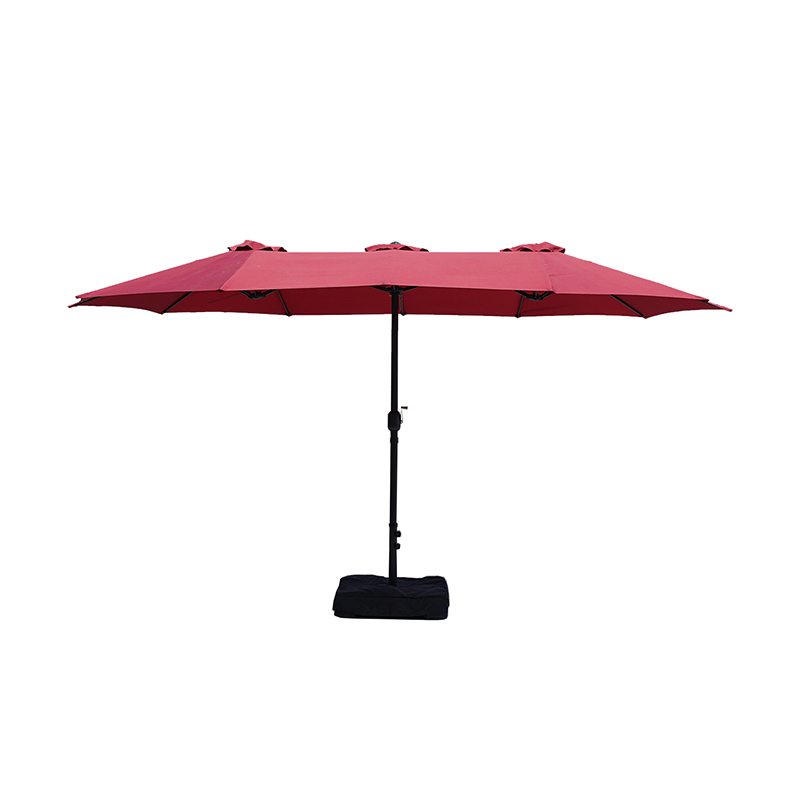
Even when two umbrellas look similar, their structures can create very different user experiences.
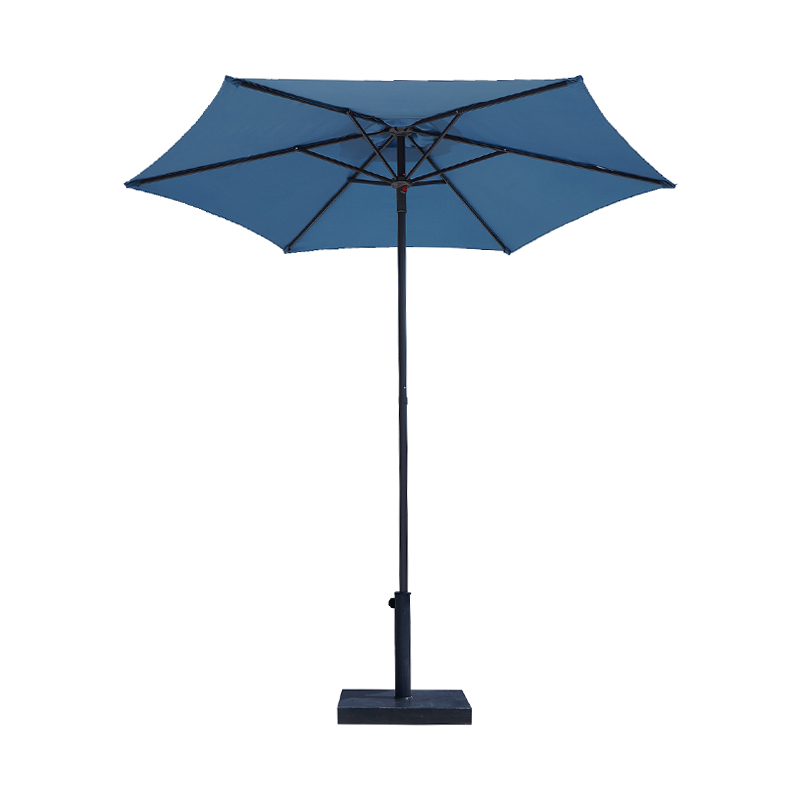
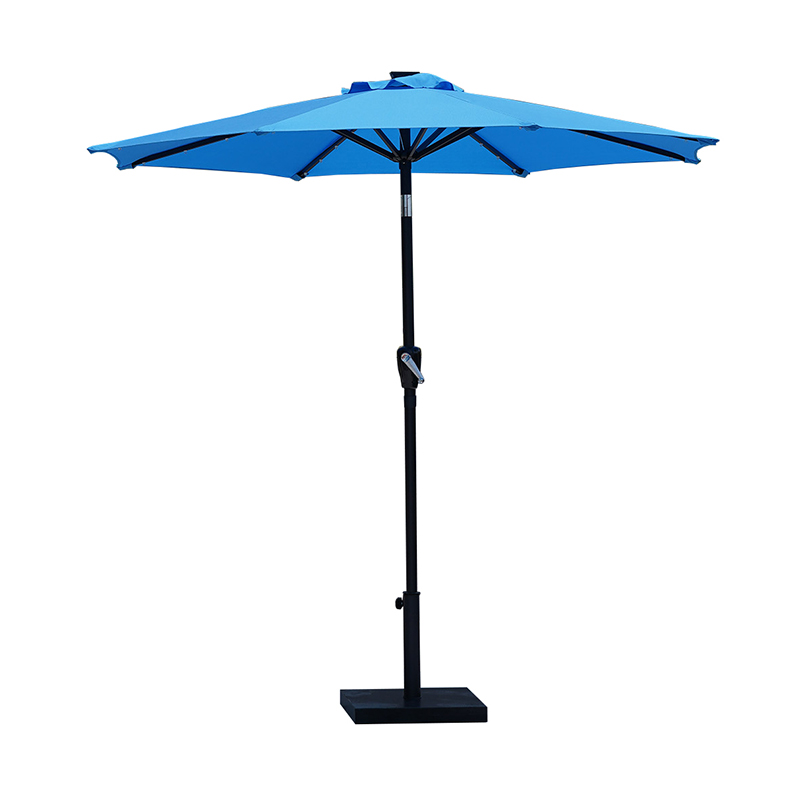
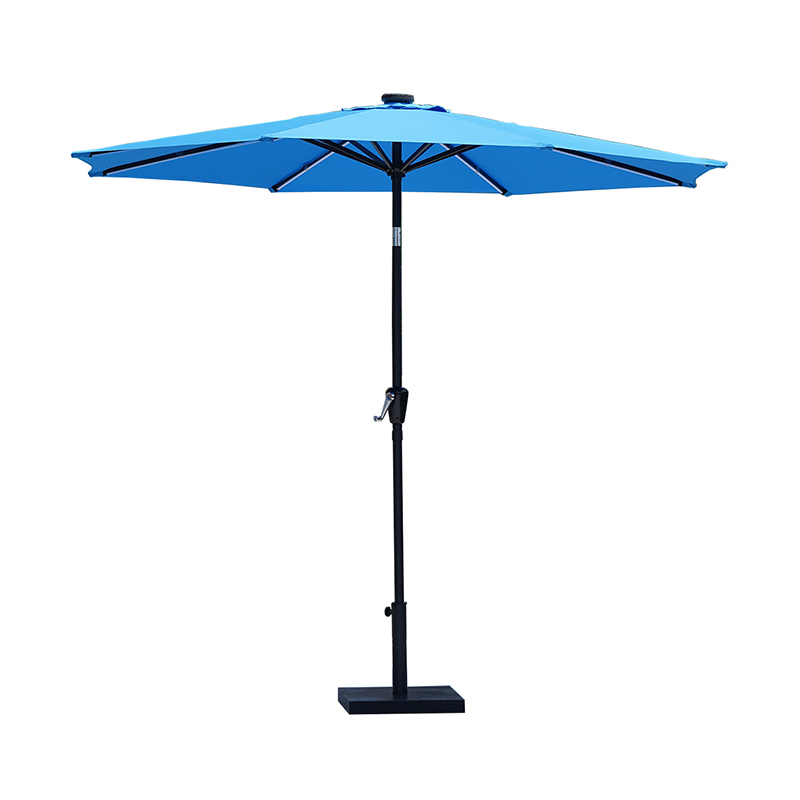
These are commonly used in structured environments. They align well with fixed layouts, especially when placed through or near tables.
Their simplicity makes them predictable and easy to manage.
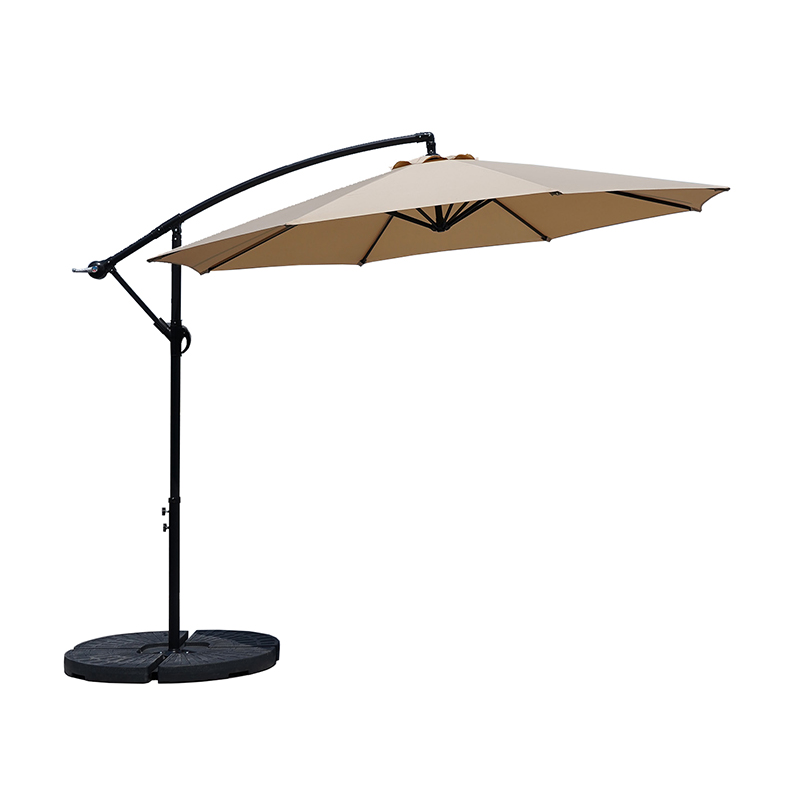
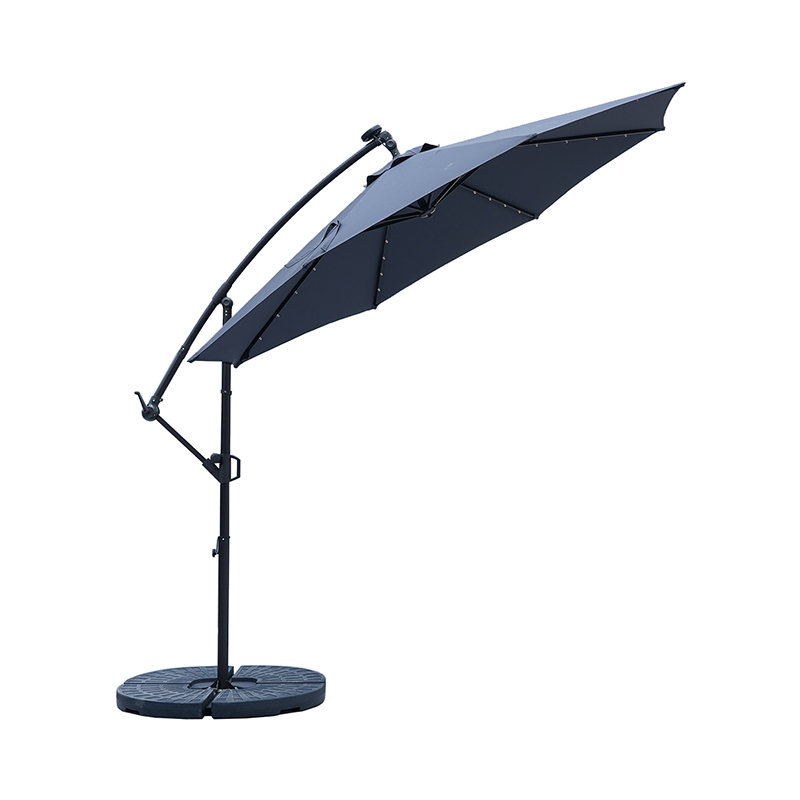
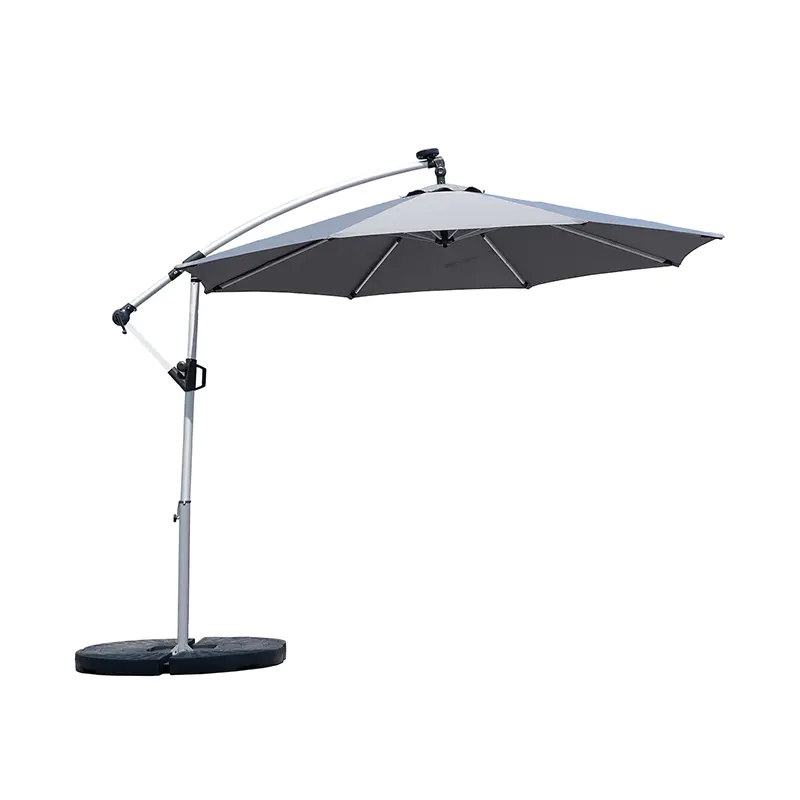
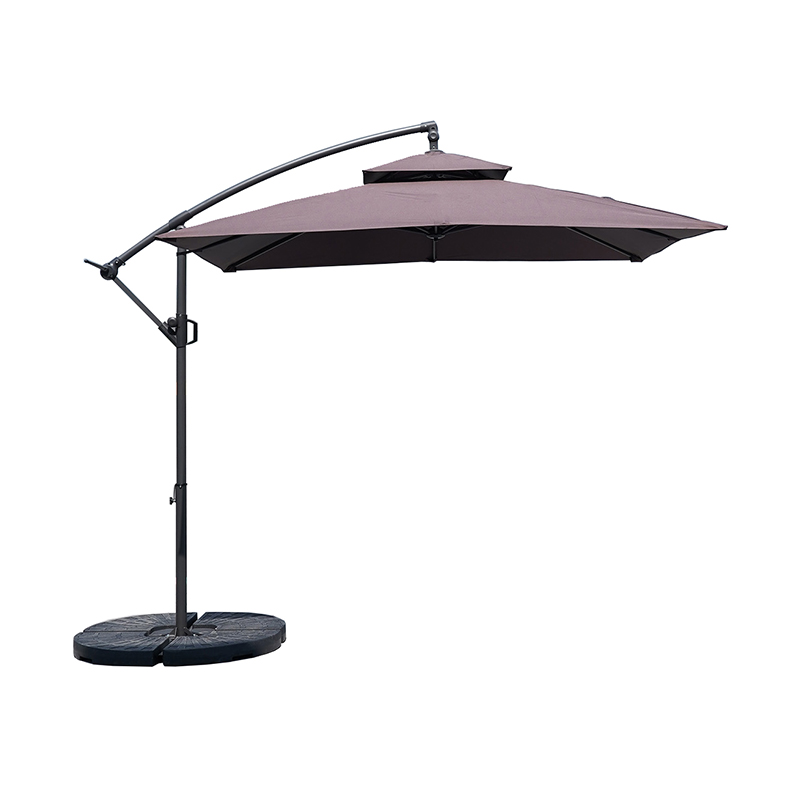
By moving the support structure to the side, these designs open up the shaded area. This changes how the space feels, making it less restricted.
They are often used in areas where movement is important, such as lounge or relaxation zones.
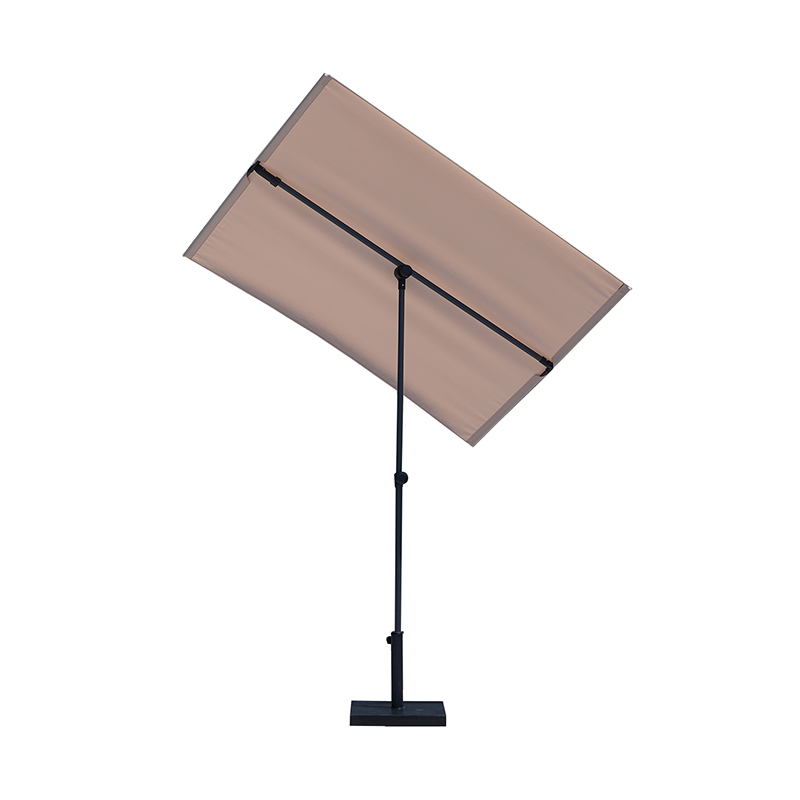
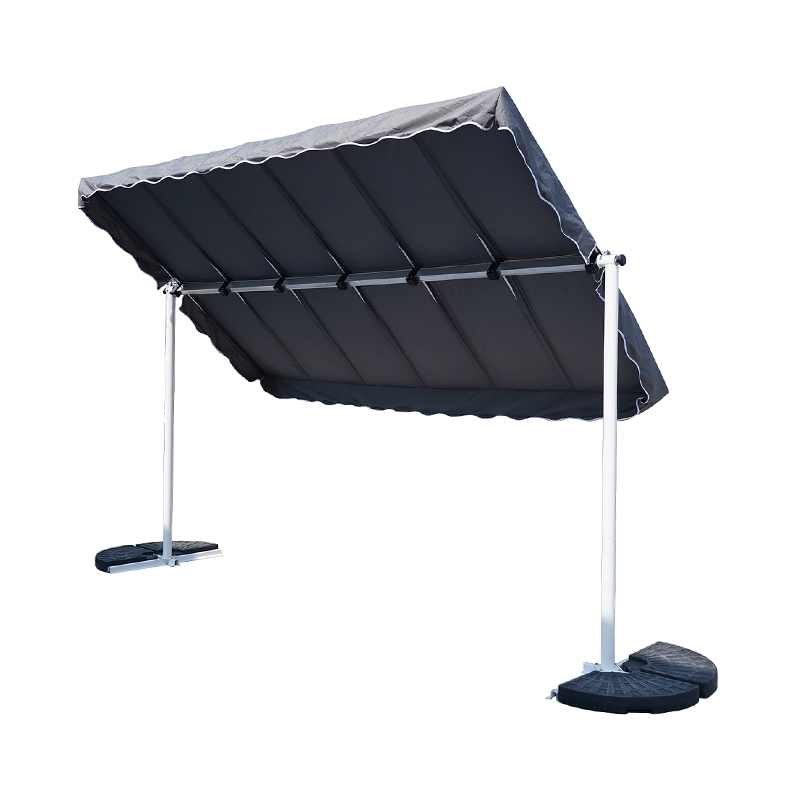
Some designs allow the canopy to tilt or rotate. This can help maintain shade as the sun moves.
Instead of relocating the entire structure, small adjustments can achieve similar results.
Material selection is often discussed in technical terms, but daily use provides a clearer perspective.
Over time, fabric interacts with sunlight, dust, and occasional moisture. These interactions gradually affect appearance and texture.
Choosing a material that maintains a consistent look with minimal effort can make long-term use more comfortable.
The frame influences how stable the structure feels and how easy it is to adjust.
Some frames feel solid but are heavier to move. Others are lighter but may require more careful placement. The choice depends on how often adjustments are expected.
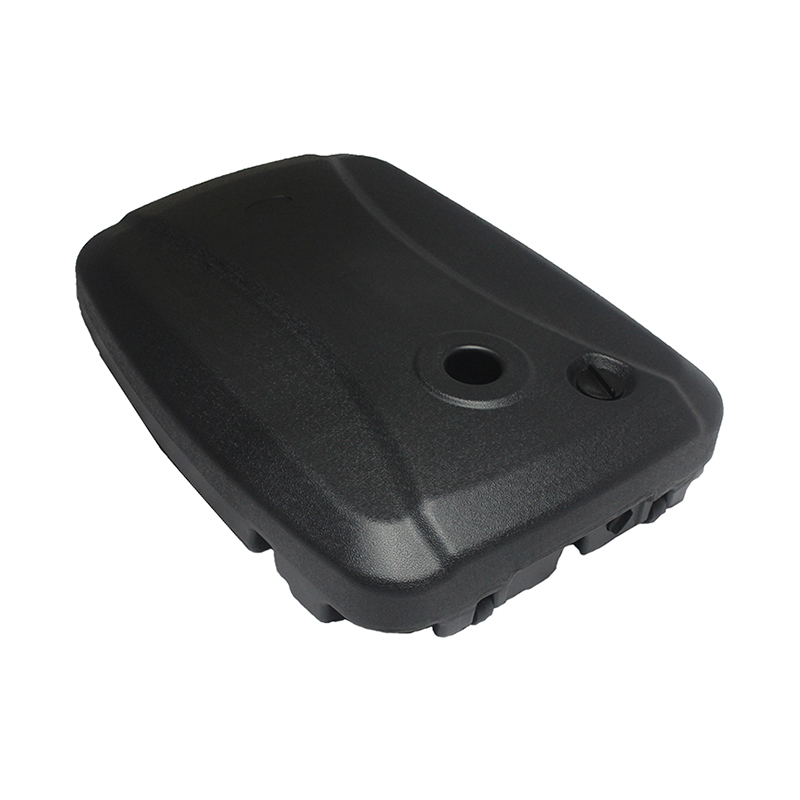
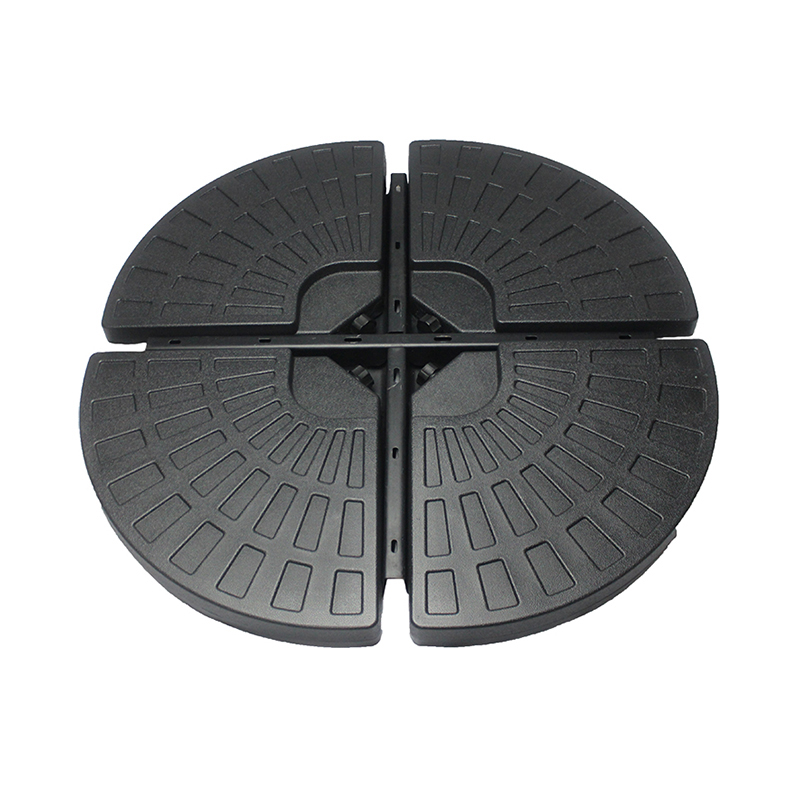
The base is sometimes overlooked during selection, yet it plays a major role in stability.
A well-matched base supports the structure without drawing attention to itself. If it is too light or too heavy for the environment, it can affect usability.
Practical Comparison Across Common Spaces
| Space Type | Typical Approach | Focus Area | Adjustment Needs |
|---|---|---|---|
| Balcony | Compact placement | Space efficiency | Moderate |
| Backyard | Zoned layout | Versatility | Moderate |
| Poolside | Open coverage | Stability | Low |
| Restaurant | Repeated layout | Consistency | Low |
| Hotel | Coordinated design | Visual integration | Low |
| Event | Portable setup | Flexibility | High |
Maintenance does not need to be complicated, but it does need to be consistent.
Simple actions can help:
When maintenance aligns with how the product is used, it becomes part of routine rather than an extra task.
Outdoor design trends are evolving in ways that are not always obvious.
Natural tones and understated designs are becoming more common. They blend easily with different environments and create a calm atmosphere.
Spaces are no longer limited to one purpose. Shade solutions need to adapt without requiring constant changes.
There is increasing awareness of how products perform over time. This includes not only durability but also how easy they are to maintain.
Behind each finished product, there is a process that connects design with real-world use. Manufacturers help translate general requirements into functional solutions.
Linhai Hongtai Leisure Products Co., Ltd. is involved in developing outdoor shading products that align with different environments. By focusing on usability and consistent production, it becomes easier to support both individual buyers and larger projects.
Working with a supplier can provide:
Some challenges only become noticeable after regular use.
These may include:
Being aware of these possibilities can help guide better decisions earlier.
Choosing the right shading solution is less about finding a single answer and more about understanding how a space evolves throughout the day. Patio Shade Umbrellas work best when they support that natural flow instead of limiting it.
By considering layout, usage patterns, environmental conditions, and long-term practicality, it becomes easier to select an option that feels comfortable not only at the beginning, but also after extended use.
In the end, a well-matched umbrella does not demand attention. It simply allows people to enjoy the space in a more relaxed and natural way. And that is often what makes the biggest difference.
Related Products
Contact Us for More Details
Don't hesitate to contact when you need us!
Contact Information
Add:
No.5-58(Building1&2in factory ) Kongao village, DatianDistrict, Linhai, Zhejiang, China
Phone:
+86-13958586110
Tel:
+86-576-89398116
E-mail:
Product Category
QR Code
Join our community and stay connected

Wholesale Outdoor Parasol Umbrella Factory

 English
 中文简体
中文简体
 Español