2026-11-06
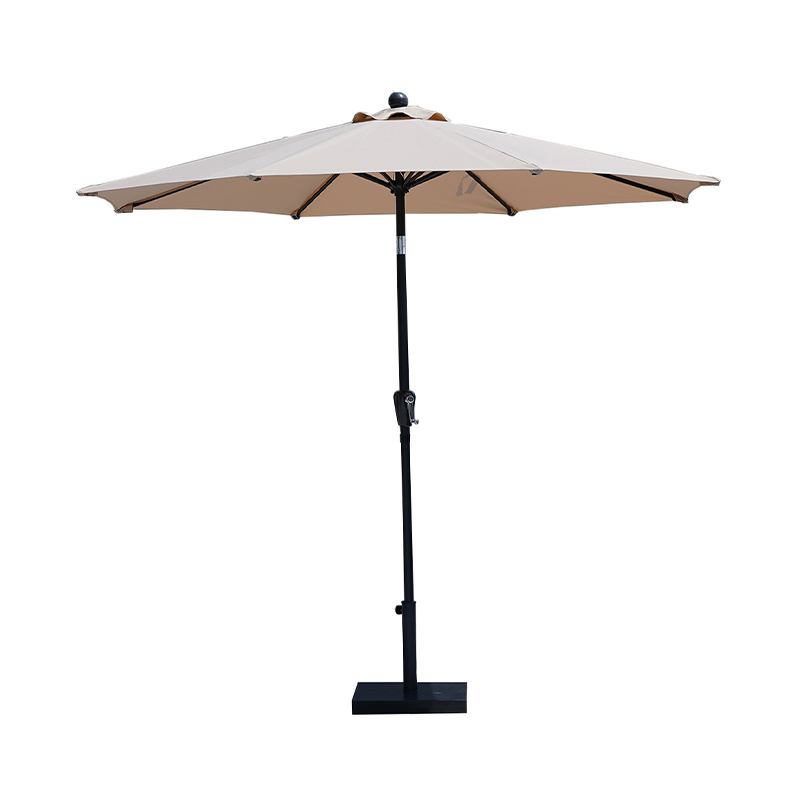
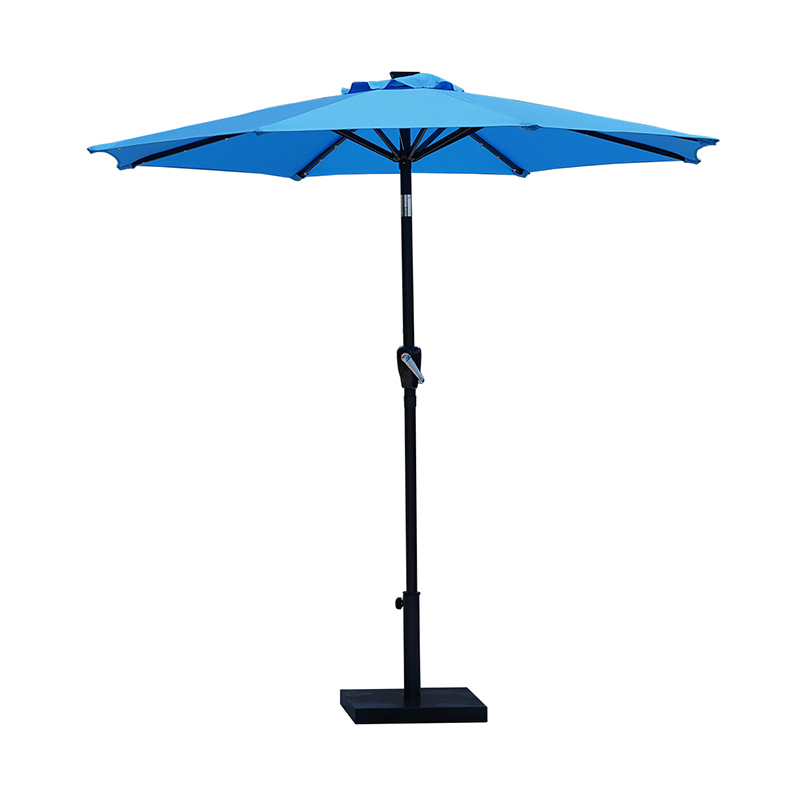
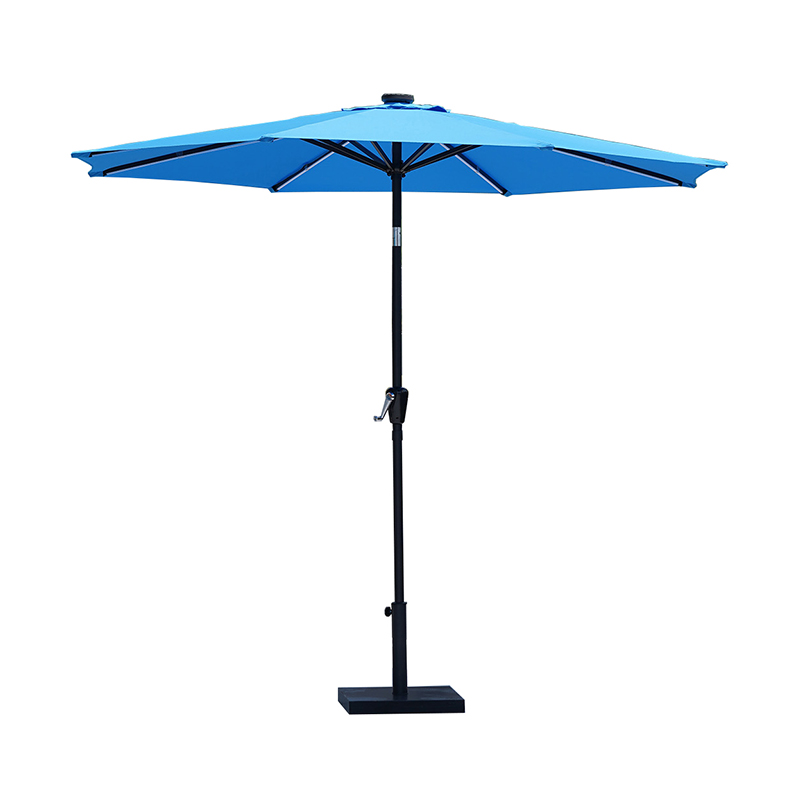
Outdoor areas have turned into genuine extensions of restaurants, hotels, resorts, and public facilities—people eat there, relax, socialize, hold events. Problem is, direct sun and unpredictable weather can make those spaces miserable to sit in. Get the shade right and suddenly the space works. An Outdoor Parasol Umbrella gives commercial properties a flexible way to pull that off, and with the range of sizes, structures, and materials available, it can improve guest comfort, support space planning, and even contribute to the property's visual identity. Whether it delivers on that depends on matching the design to the location, how heavily it'll be used, and local weather.
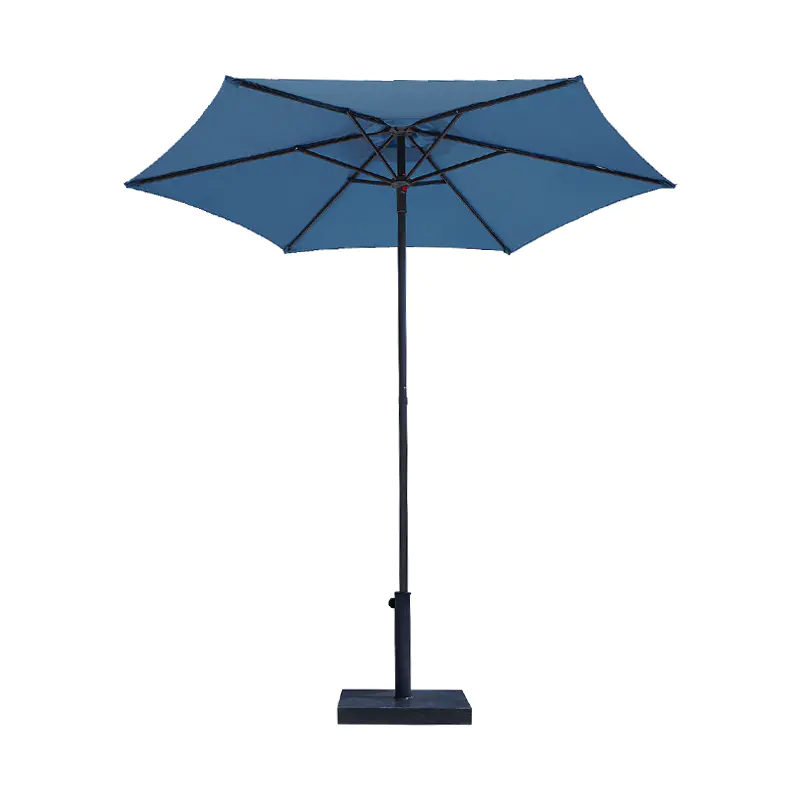
How Outdoor Parasol Umbrellas Improve Restaurant Dining Areas
Terraces, patios, sidewalk seating—restaurants that have them know the struggle. Parasols make outdoor dining more comfortable by cutting direct solar exposure on tables and seating. That alone can push customers to use outdoor spaces during sunny periods instead of retreating inside.
Placement deserves real thought, though. Table arrangements, pedestrian movement, staff access—parasols have to work around all of it. Too small a canopy leaves guests exposed. Oversized umbrellas obstruct walkways or bump into nearby structures. Restaurant operators should weigh canopy dimensions against table size and arrangement, opening mechanisms (crank-operated systems simplify daily setup), frame construction (aluminum and treated steel are common, each with different weight and maintenance characteristics), fabric performance (UV resistance, colorfastness, water resistance should match outdoor conditions), and base stability (the base has to suit the umbrella size and local wind exposure). A well-positioned parasol lets a restaurant use available outdoor seating more effectively while keeping diners comfortable.
Create More Comfortable Guest Areas at Resorts and Hotels
Resorts and hotels tend to have extensive outdoor facilities—pools, gardens, terraces, beachside seating, open-air restaurants. These spaces serve different purposes, so they may need different shading arrangements. Poolside parasols shade loungers and small seating groups. Garden umbrellas create comfortable resting areas. Larger commercial models suit outdoor dining zones.
Appearance matters in hospitality. Coordinated canopy colors, frame finishes, furniture styles reinforce the property's design identity. Neutral colors complement minimalist settings. Brighter fabrics create a more relaxed holiday atmosphere. Resort managers should also think about maintenance. Umbrellas exposed to chlorine, salt air, moisture, frequent handling need corrosion-resistant frames and fabrics that handle regular cleaning.
Add Shade and Functionality to Public Spaces
Parks, pedestrian plazas, outdoor markets, community facilities—flexible shading structures help here too. Parasols provide temporary shade for seating areas, refreshment stalls, information points, outdoor activities. Compared with permanent structures, freestanding umbrellas are easier to reposition or store when space requirements change. Useful for seasonal events and temporary installations.
Public-space applications require careful attention to safety, though. Pedestrian circulation, accessibility, overhead clearance, the possibility of accidental contact with the frame—all need consideration. In areas exposed to strong winds, umbrellas should be closed or secured per the manufacturer's instructions. No exceptions.
Choose the Right Umbrella Design for Each Application
Different commercial environments need different configurations. Available space, furniture layout, expected traffic, weather exposure—these drive the choice.
| Umbrella type | Common application | Main advantage |
|---|---|---|
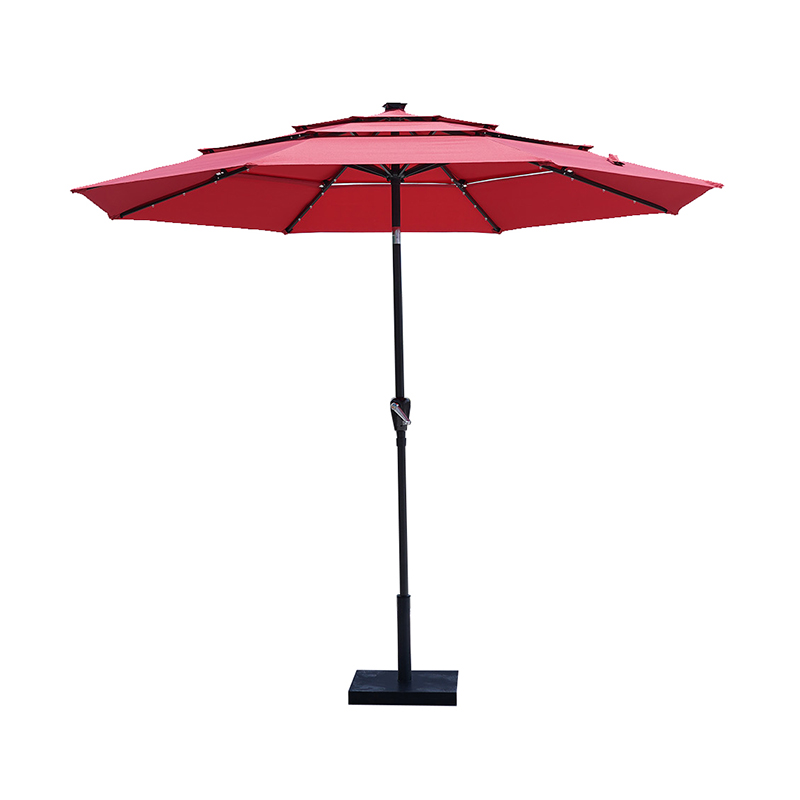
| Center-pole parasol | Restaurant patios and small gardens | Simple structure and straightforward placement |
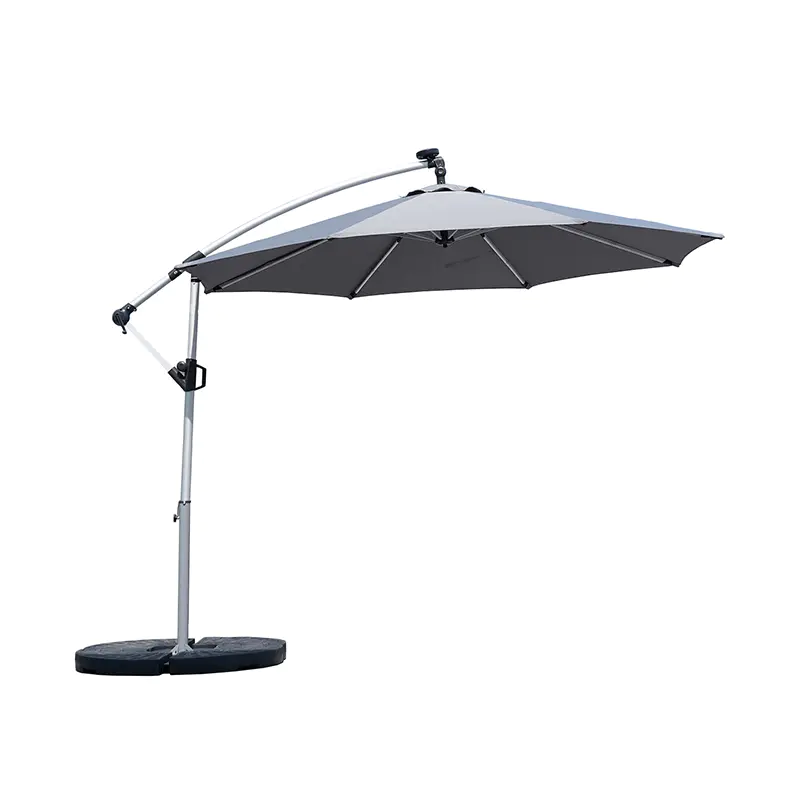
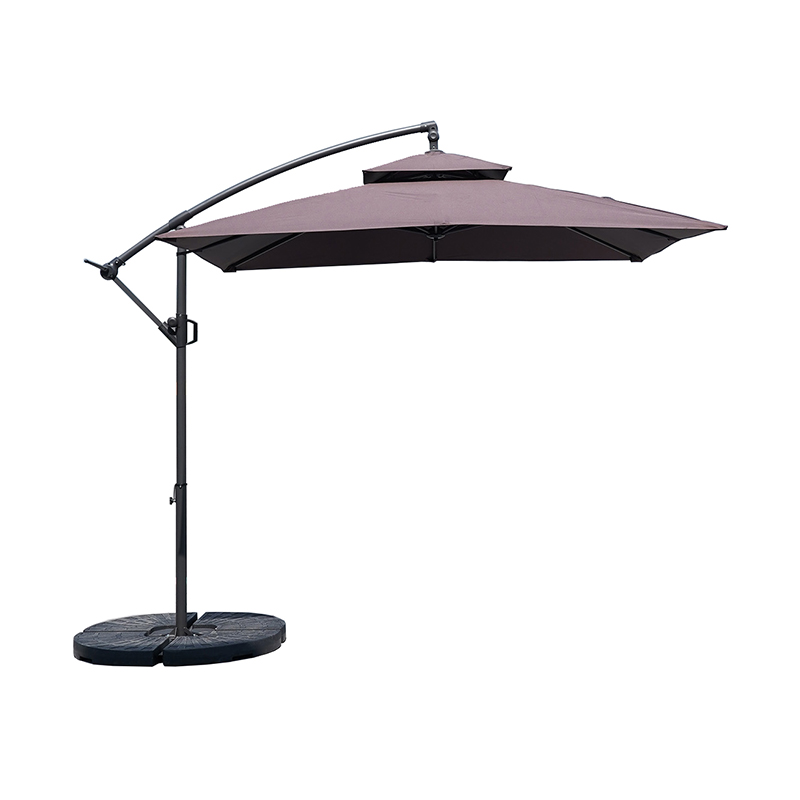
| Cantilever umbrella | Poolside seating and lounge areas | Provides shade without a central pole obstructing the table |
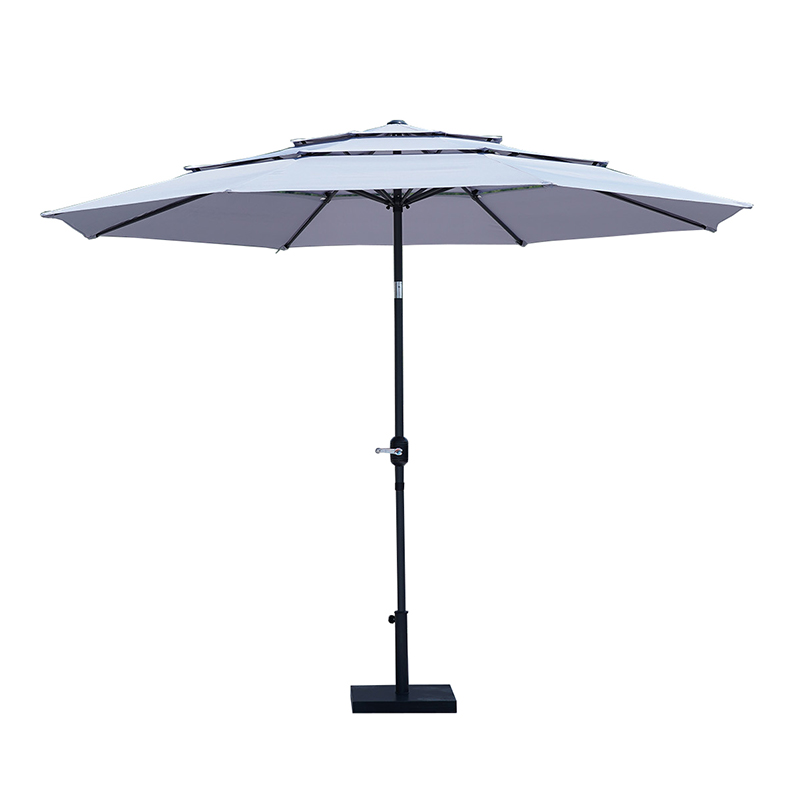
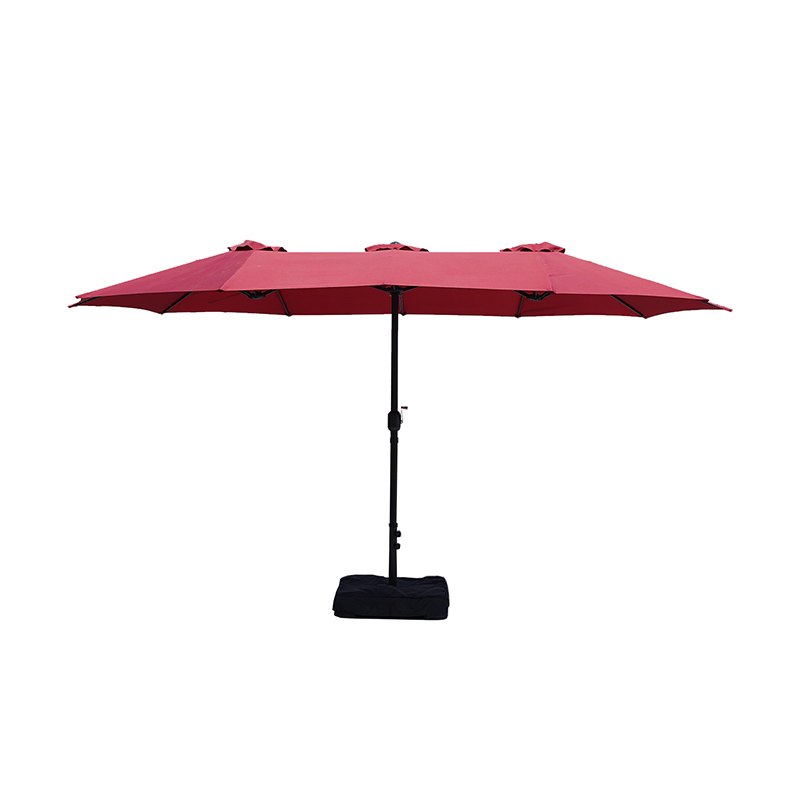
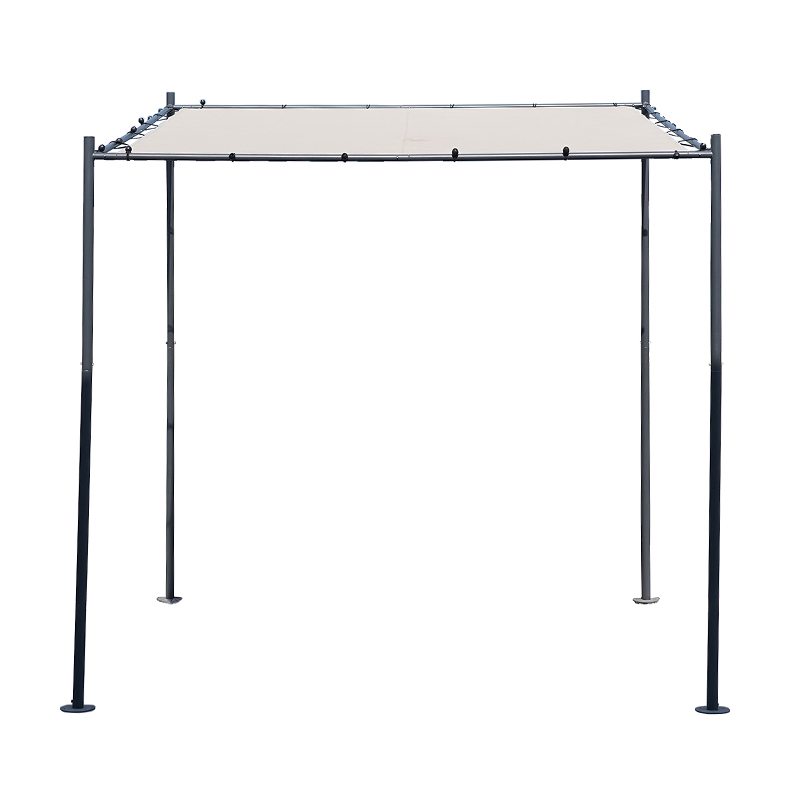
| Large commercial parasol | Resort dining and hospitality terraces | Covers larger seating areas |
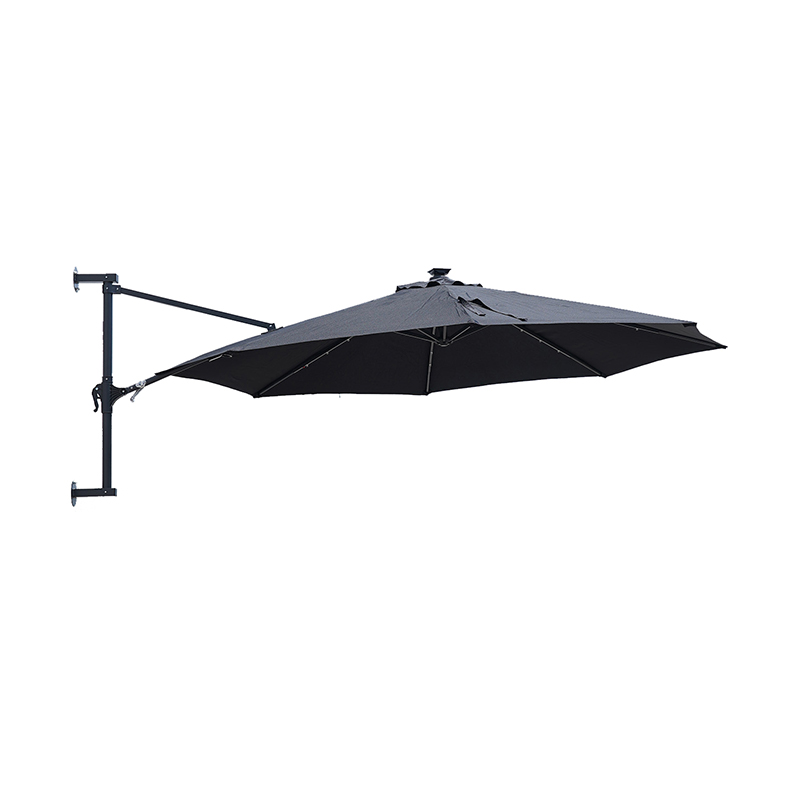
| Portable parasol | Markets and temporary events | Can be moved or stored when necessary |
Center-pole models often suit tables with a central umbrella opening. Cantilever designs allow more flexible furniture placement, though their support bases may need additional space and weight. Large commercial umbrellas cover multiple seats, but dimensions and installation requirements should be assessed carefully before buying.
Evaluate Materials for Durability and Outdoor Performance
Material selection directly affects lifespan and maintenance. Commercial umbrellas may stay outdoors for extended periods, so components must withstand repeated sun, moisture, handling. Frames are commonly aluminum, steel, or other engineered materials. Aluminum is relatively lightweight and naturally corrosion-resistant—useful for hospitality settings. Steel provides structural strength but generally needs suitable protective coatings to reduce corrosion risk.
Canopy fabrics vary in performance too. Solution-dyed acrylic and polyester are common, but UV resistance, water repellency, colorfastness, cleaning requirements differ by product specification. Buyers should request information about fabric weight, UV protection, colorfastness, relevant test results. They should also check whether replacement canopies and spare components are available.
Compare Commercial Requirements Before Purchasing
Purchasing decisions should account for more than appearance and initial price. Businesses need to consider the number of umbrellas, daily operating procedures, storage arrangements, replacement costs, expected service life.
| Purchasing factor | Questions to consider |
|---|---|
| Coverage | How many tables or seats need shade? |
| Wind exposure | What wind conditions can the product safely withstand? |
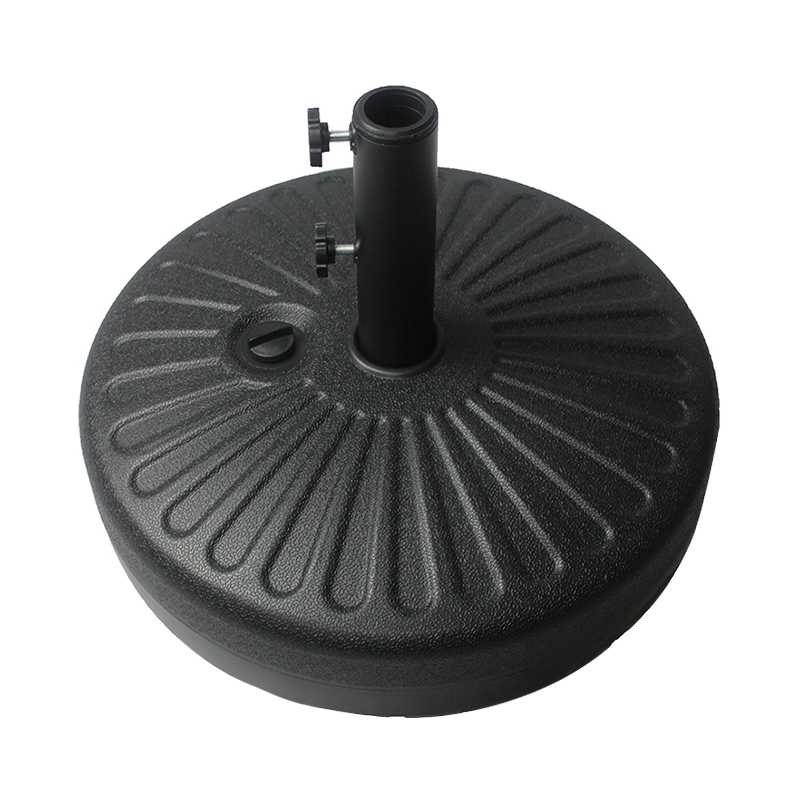
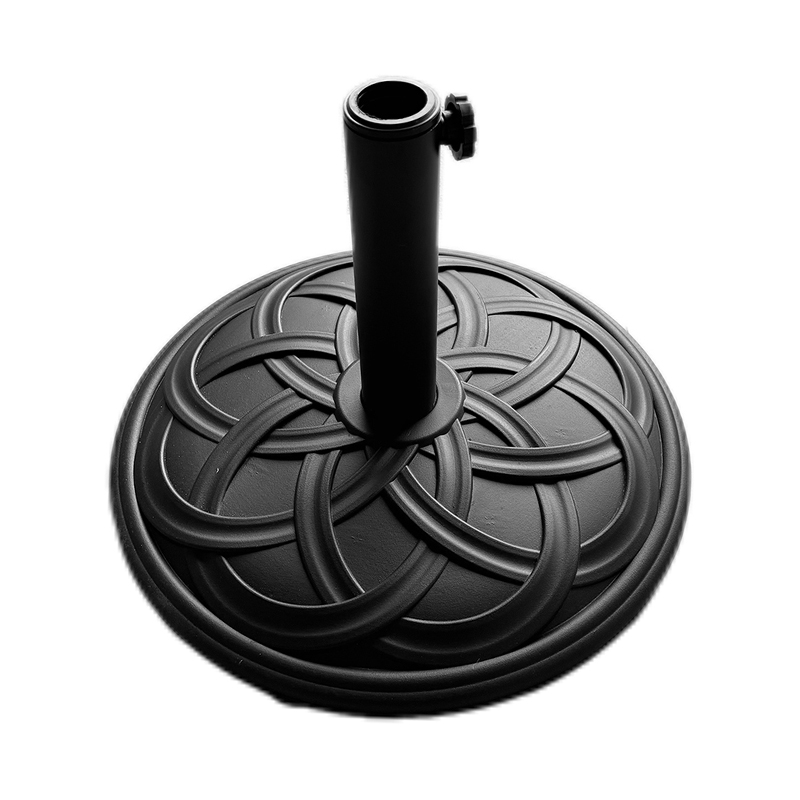
| Installation | Is a fixed base, weighted base, or ground mounting required? |
| Maintenance | Can the canopy be removed and cleaned easily? |
| Storage | Is indoor storage available during severe weather or winter? |
| Replacement parts | Can fabric, ribs, and operating components be replaced? |
Maintain Outdoor Parasols for Longer Service Life
Regular maintenance preserves appearance and functionality. Staff should remove loose dirt, clean the canopy according to fabric-care instructions, inspect the frame, ribs, fasteners, opening mechanism. Umbrellas should be closed during strong winds and severe weather unless the manufacturer explicitly says otherwise. Wet canopies should dry before long-term storage to reduce mildew risk and material deterioration. Simple opening, closing, cleaning, and inspection procedures help hospitality operators manage multiple umbrellas consistently.
Make Outdoor Areas More Useful With the Right Shade Solution
An Outdoor Parasol Umbrella can add practical value to restaurant patios, resort facilities, public spaces by improving shade coverage and supporting more comfortable outdoor activities. Effectiveness depends on choosing the right structure, canopy material, dimensions, base for the installation environment. Businesses should assess guest needs, weather exposure, maintenance capacity, safety requirements before purchasing. With appropriate selection and regular care, commercial parasols help outdoor spaces stay functional, attractive, and welcoming.
Related Products
Contact Us for More Details
Don't hesitate to contact when you need us!
Contact Information
Add:
No.5-58(Building1&2in factory ) Kongao village, DatianDistrict, Linhai, Zhejiang, China
Phone:
+86-13958586110
Tel:
+86-576-89398116
E-mail:
Product Category
QR Code
Join our community and stay connected

Wholesale Outdoor Parasol Umbrella Factory

 English
 中文简体
 Español