2026-05-22
Outdoor shade systems are usually judged by more than how much sunlight they block. In many spaces, they quietly shape how people sit, move, and interact. A Roman Parasol often appears in these environments because it sits between structure and flexibility without taking over the space.
Some setups treat shade as fixed infrastructure. Others treat it as something that can shift slightly with use. The difference changes how the space feels in daily operation, especially when layouts are not static.
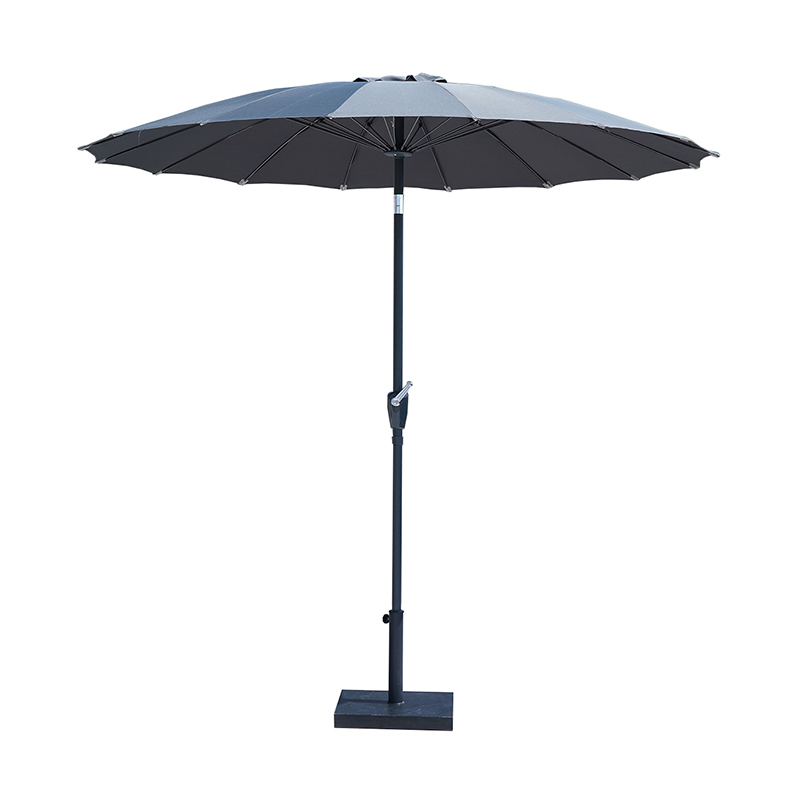
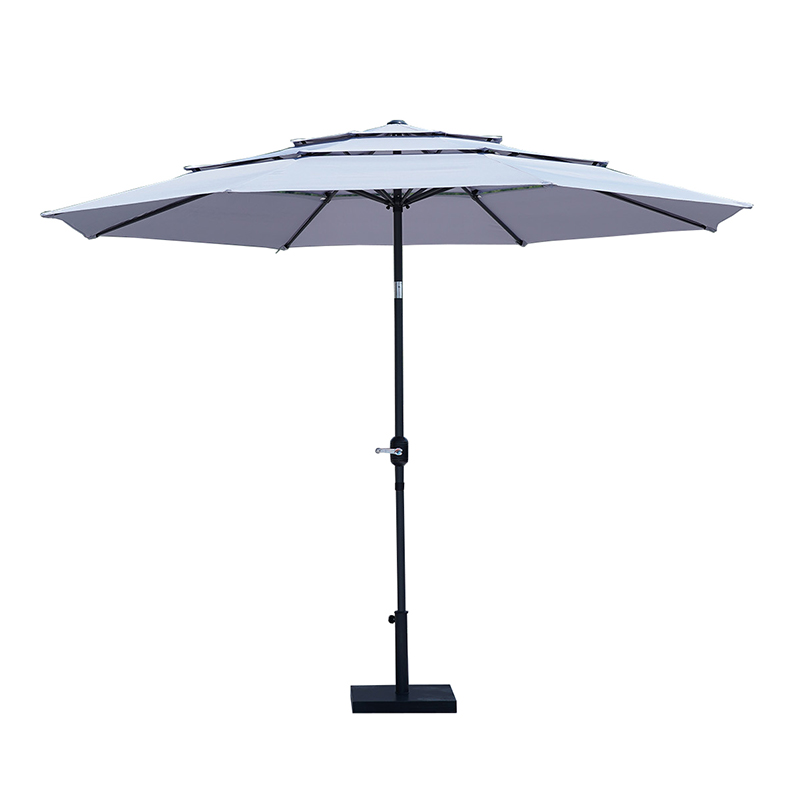
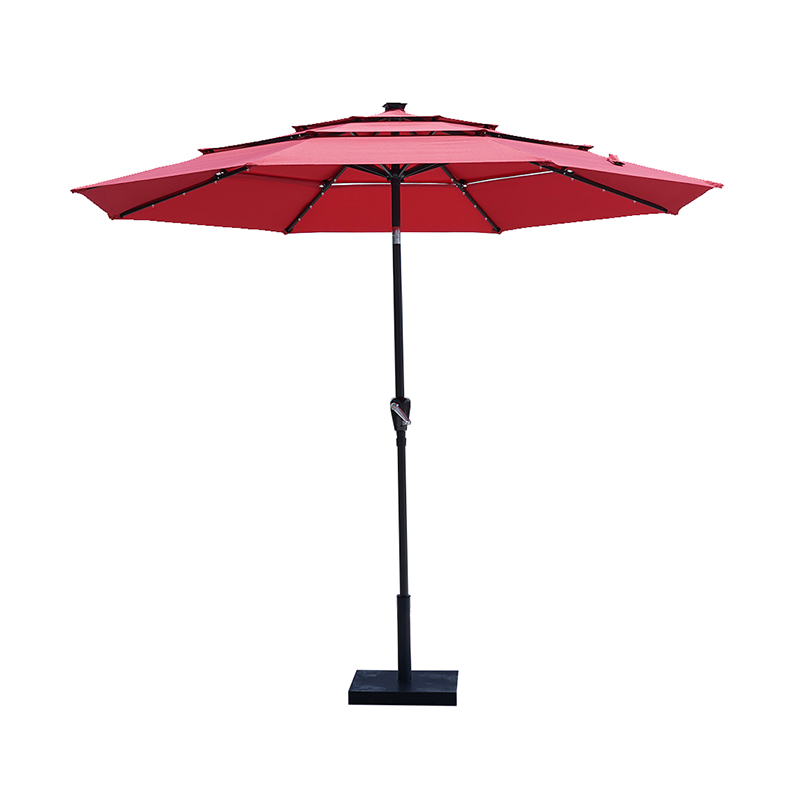
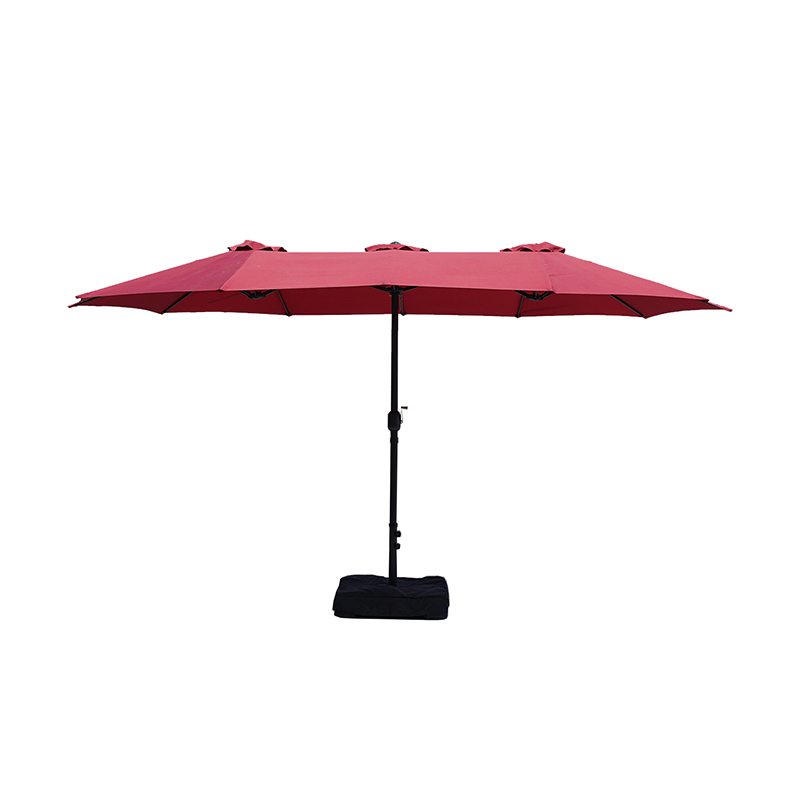
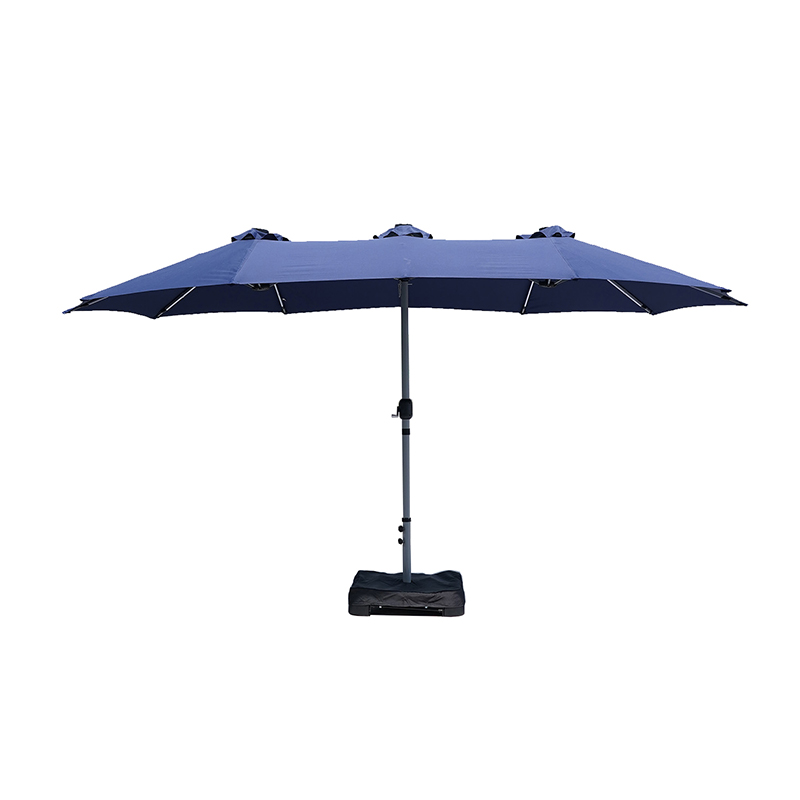
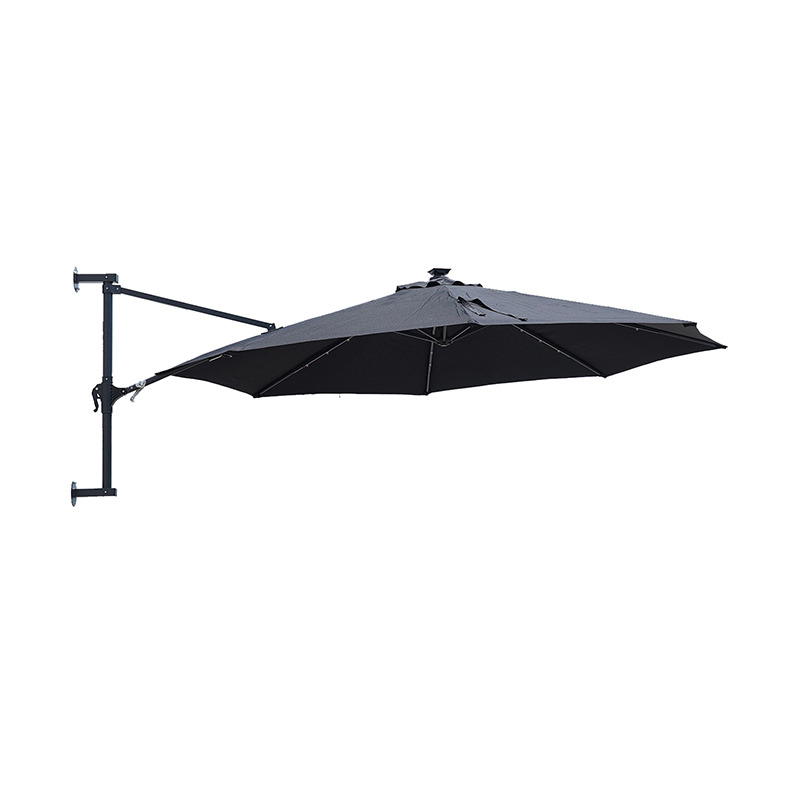
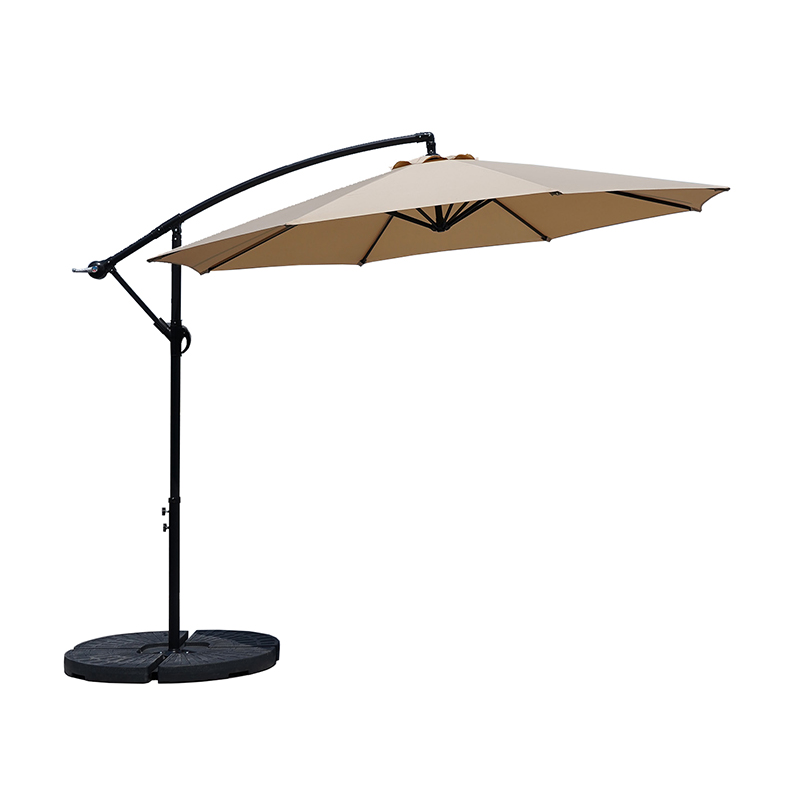
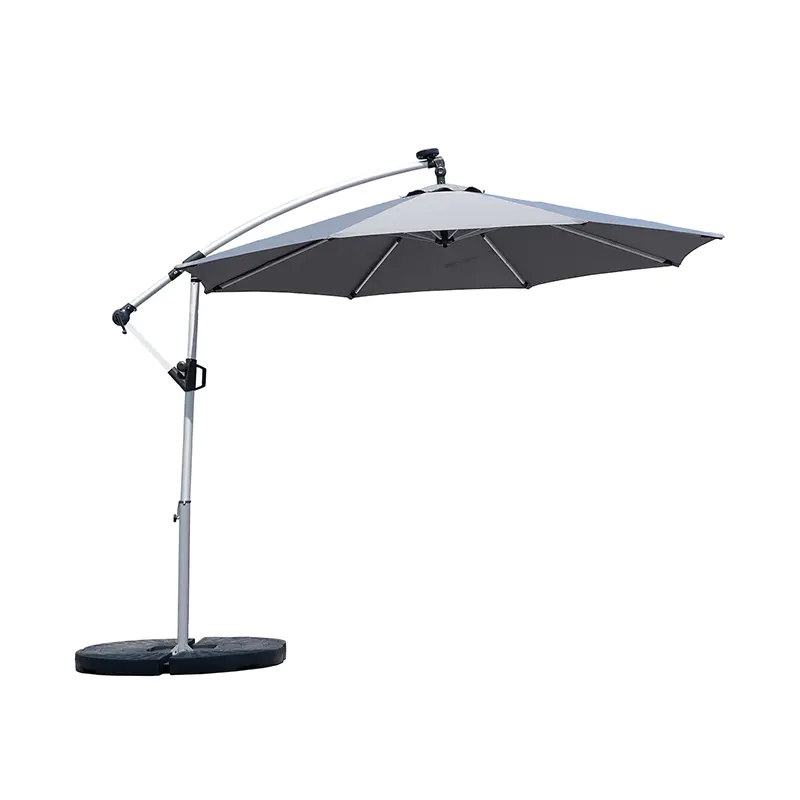
A Roman Parasol is an outdoor shade structure built around a central support and a stretched canopy. The shape is usually open and wide, without enclosing the space beneath it. That makes it less about separation and more about coverage.
In real environments, it often works as a soft boundary. It does not define space in a strict way, but it gives enough visual structure for outdoor seating or gathering areas.
Some common observations in use:
Roman Parasol is often chosen when full enclosure is not needed, but some structure is still expected in open layouts.
Material choice affects how the structure behaves more than how it looks. In outdoor conditions, the difference shows up slowly through wear, tension changes, and surface response.
| Component | Typical Material Type | What It Affects |
|---|---|---|
| Canopy surface | Woven synthetic fabric | Light filtering and surface behavior |
| Frame | Metal or reinforced composite | Shape retention and handling feel |
| Joints | Reinforced connectors | Movement and folding response |
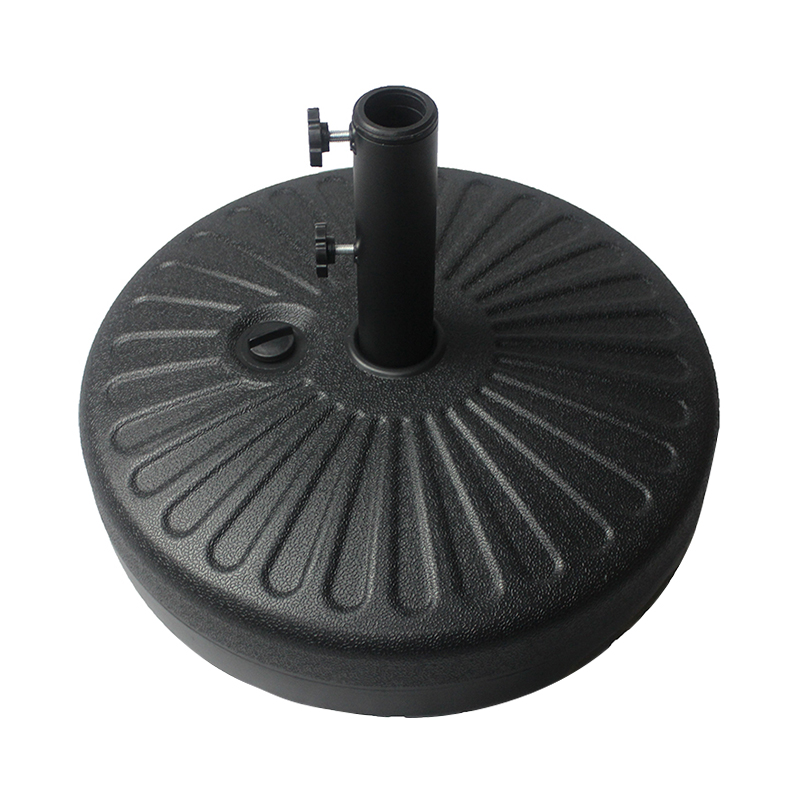
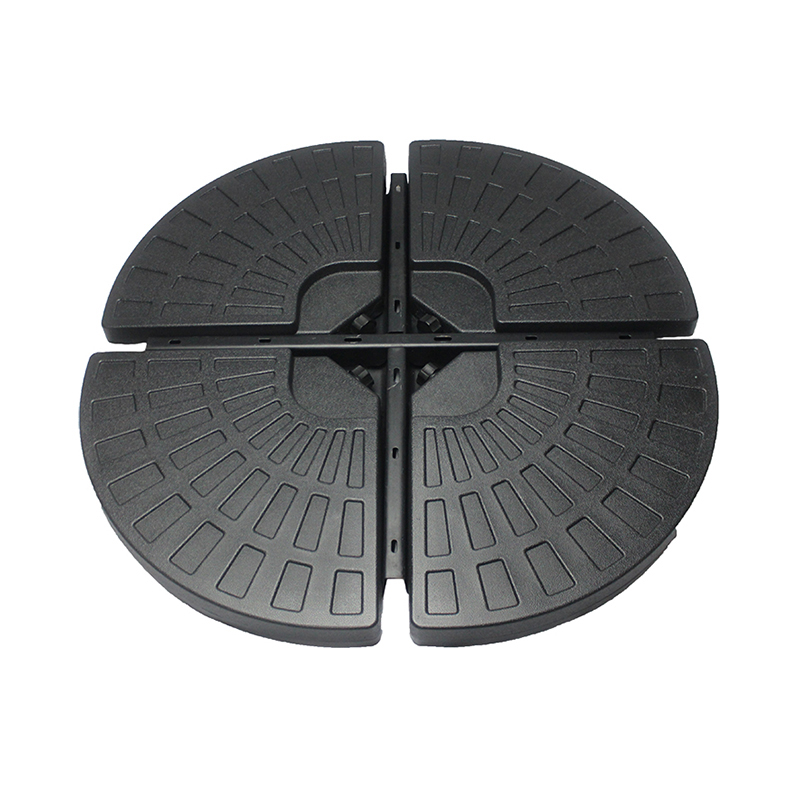
| Base | Weighted or fixed support | Overall balance |
Fabric does not only block light. It also changes how heat and airflow feel underneath. Frame material is less about appearance and more about how often adjustment is needed and how the structure reacts after repeated use.
In practice, the balance between flexibility and firmness matters more than any single material choice.
Stability is mostly about how force moves through the structure rather than how strong any single part is. In a Roman Parasol, the canopy tension spreads pressure across the frame, but not always evenly depending on conditions.
Wind, angle, and positioning all change how the load travels. That is why small shifts in setup can sometimes change how stable it feels.
A few structural behaviors often show up:
In daily use, the structure is rarely static. It adjusts subtly with handling, which is why connection points and balance matter as much as the main frame.
In outdoor dining or hospitality spaces, shade systems are rarely placed in isolation. They are part of how seating and movement are organized.
A Roman Parasol often supports this kind of layout because it does not lock the space into fixed boundaries. Tables and seating can be arranged around it without strict alignment rules.
In many cases, it helps with:
It is not only about shade coverage. It is also about how easily the layout can be adjusted without changing the structure itself.
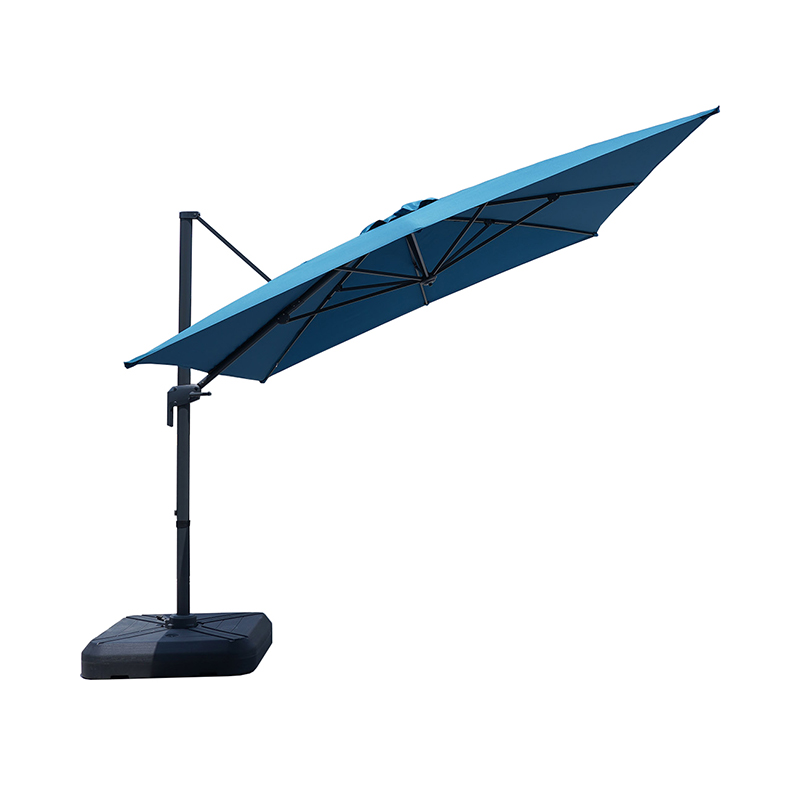
Placement changes how a shade structure is actually experienced. A Roman Parasol does not behave like a fixed roof, so its position becomes part of the design rather than just installation.
In open seating areas, it often works by creating pockets of shade instead of covering everything evenly. That makes spacing between units just as important as the structure itself.
A few layout patterns tend to appear in real use:
The shaded area is rarely static. Even small changes in angle or distance from seating can shift how enclosed or open the space feels.
Air movement under a canopy is often overlooked until it becomes noticeable. A Roman Parasol usually includes some form of vented structure, which allows air to pass through rather than build up underneath.
This is not only about wind. It also affects how still or heavy the shaded area feels over time.
In practice, ventilation behavior shows up in a few ways:
The effect is not constant. It changes depending on how the structure is positioned and how exposed the surrounding area is. In more enclosed environments, airflow feels different compared to open spaces.
Selection is usually less about fixed rules and more about matching conditions. A Roman Parasol behaves differently depending on how much space it covers and how it is anchored.
Size affects coverage, but also changes how the structure responds to movement. Larger coverage can feel more present in space, while smaller setups allow easier adjustment.
| Setup Condition | Shade Coverage | Base Requirement | Typical Use Situation |
|---|---|---|---|
| Small seating group | Limited but focused | Lighter support often sufficient | Compact tables or corners |
| Medium open area | Balanced coverage | Moderate stability needed | Café or mixed seating layouts |
| Wide open space | Broad coverage spread | Stronger anchoring usually required | Exposed outdoor environments |
Base selection is closely tied to exposure. More open environments tend to require stronger grounding because movement from wind becomes more noticeable. In more sheltered spaces, the requirement shifts toward flexibility and repositioning.
Maintenance in outdoor systems is less about isolated repairs and more about routine attention. A Roman Parasol is exposed to constant environmental change, so small checks tend to matter more than occasional deep cleaning.
Some practical habits often include:
Wear usually appears gradually rather than suddenly. It is often seen in fabric tension changes or slightly reduced smoothness in movement. Addressing these early signs tends to keep performance more consistent without major intervention.
Related Products
Contact Us for More Details
Don't hesitate to contact when you need us!
Contact Information
Add:
No.5-58(Building1&2in factory ) Kongao village, DatianDistrict, Linhai, Zhejiang, China
Phone:
+86-13958586110
Tel:
+86-576-89398116
E-mail:
Product Category
QR Code
Join our community and stay connected

Wholesale Outdoor Parasol Umbrella Factory

 English
 中文简体
中文简体
 Español