2026-06-05
An Outdoor Shade Tent is often chosen for the small but important details it brings to outdoor time: shade, airflow, cover, and a calmer space when the sun feels strong. People usually notice it not as a single feature, but as a mix of comfort points that work together. That is why interest around it tends to move from basic shade to how it performs in different places, how it feels inside, and how it holds up after repeated use.
What matters here is not only the look of the shelter, but the way it fits real outdoor habits. A family at the beach may care about cool air and simple setup. A camper may care more about ground contact and steadier placement. A short park stay may call for something light and easy to manage. These are the kinds of questions that shape buying decisions and content topics around the product.
| Outdoor setting | What people often notice | Content angle |
|---|---|---|
| Beach | Heat, glare, sand movement | Shade, airflow, anchoring |
| Grass | Easy placement, softer ground | Stability and comfort |
| Rocky ground | Limited fixing options | Setup choices and balance |
| Family use | Space and convenience | Daily usability |
| Travel use | Carrying and packing | Foldability and handling |
A shade shelter works best when it does more than block light. It needs to soften the feeling of direct sun without making the space feel closed or heavy. That balance is what gives people a reason to stay under it longer.
A few things shape that experience:
In real use, comfort often depends on small details. A low opening may give more cover, but it can also feel warmer. A wider opening may feel breezier, but it may leave more sunlight at the edges. Many buyers notice this difference only after using the shelter in direct sun for a while.
For content planning, this topic works well because it starts with a basic question and leads naturally into comfort, placement, and use habits. It also fits search intent from people who want a simple answer before they compare styles.
Sun cover and airflow can pull in different directions. More cover can reduce direct light, while more open space can improve movement of air. A useful design sits between those two needs rather than leaning too far in one direction.
This balance is often what separates a pleasant shelter from one that feels cramped. If air cannot move, the inside may feel still and warm. If the structure is too open, the shade may feel thin and uneven. People tend to notice this during longer stays, when a short break turns into an afternoon visit.
A useful way to frame this topic is by asking what people feel rather than what the product claims:
The wording here stays practical and close to the user experience. That style usually fits search content well because it matches the way people speak when they compare outdoor gear.
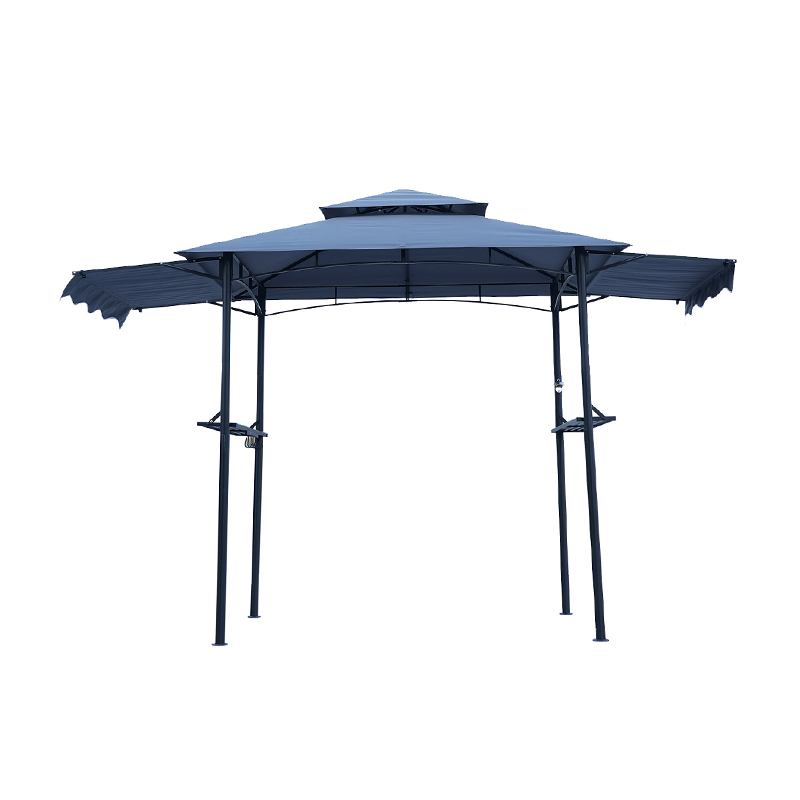
Outdoor conditions rarely stay fixed. A light breeze can become a stronger gust, and the structure needs to respond in a steady way. Stability is not only about weight. It also depends on shape, placement, and how the frame meets the ground.
Some features matter more than others when wind becomes part of the picture:
People often ask about wind because it affects confidence. A shelter that feels steady gives users more comfort, while one that shifts too much can become a concern even if the weather is not severe. That makes this a strong topic for buyers who care about real outdoor conditions rather than indoor-style descriptions.
Airflow changes the way shade feels. Without movement, even a covered space can feel warmer than expected. With enough movement, the same space can feel more usable and open. That is why ventilation is often a major part of comfort talk, even when people do not use that word directly.
Inside the shelter, several elements can affect the cooling feel:
The cooling effect is often more about perception than one single feature. People may say a space feels lighter, easier to sit in, or less closed in. Those reactions matter because they influence how long the shelter gets used and how often people return to it.
A practical content angle is to connect airflow with routine behavior. For example, a family setting up near the water may value a breezier layout, while a picnic spot may need a quieter balance between cover and movement. That difference makes the topic useful for a broad audience without becoming repetitive.
Two setups can look the same, yet the feeling underneath is not identical. Much of that comes from what is happening at ground level, not just above it.
Sand tends to shift and reflect heat in a way that can make the area feel warmer around the edges of shade. Grass behaves differently, usually softening the heat effect and making the space feel more even. Rocky ground holds warmth longer and can slowly pass that warmth back into the air above it.
A few simple points explain the difference:
Because of this, the same Outdoor Shade Tent may feel comfortable in one spot and slightly warmer in another, even when sunlight conditions are similar. Placement ends up mattering as much as structure.
Setting up a shelter is often a small sequence of decisions rather than a single action. The way it is positioned and secured can change how it feels later during use.
At the beach, sand makes anchoring less predictable, so placement often needs adjustment until it feels steady. A slight shift in direction can also help airflow move through more naturally. On camping ground, the surface is usually more stable, but uneven spots can still affect balance.
Some practical habits include:
These small steps often decide how usable an Outdoor Shade Tent feels during longer stays, especially when conditions shift slightly over time.
Materials do not change overnight, but outdoor use has a slow effect that becomes noticeable with time. Sun, folding, and repeated setup all play a role in that gradual change.
Fabric may start to feel a bit less crisp after repeated exposure. Coated surfaces can become slightly different in texture. Frame joints can show small shifts in tightness after many cycles of use. None of these happen suddenly, but they build up over time.
| Part | Typical behavior over time | What users may notice |
|---|---|---|
| Fabric | Gradual change in flexibility | Slight softness after use cycles |
| Frame | Repeated stress from setup | Minor looseness at connection points |
| Coating | Exposure to sun and weather | Change in surface feel |
| Joints | Continuous movement during assembly | Need for careful handling |
These changes are part of normal outdoor use rather than a sudden failure. An Outdoor Shade Tent that is handled with care during folding and storage tends to maintain a more consistent feel over time.
Different situations place attention on different details. A travel setup usually leans toward quick handling and easy carrying. Family use often focuses more on shared space and comfort during longer pauses. Outdoor events tend to require flexibility in placement and enough openness for movement.
Instead of a single deciding factor, it usually comes down to how the shelter fits into daily routines:
An Outdoor Shade Tent may feel very convenient in one setting and less so in another if its balance of space and handling does not match the activity. That is why matching use patterns matters more than focusing on a single feature in isolation.
Related Products
Contact Us for More Details
Don't hesitate to contact when you need us!
Contact Information
Add:
No.5-58(Building1&2in factory ) Kongao village, DatianDistrict, Linhai, Zhejiang, China
Phone:
+86-13958586110
Tel:
+86-576-89398116
E-mail:
Product Category
QR Code
Join our community and stay connected

Wholesale Outdoor Parasol Umbrella Factory

 English
 中文简体
中文简体
 Español