2026-06-12
Outdoor shading systems are often evaluated through how they behave in real spaces rather than how they are described in specifications. In patios, poolside seating, and garden layouts, small differences in opening behavior or structural feel can change how frequently a shade system is actually used.
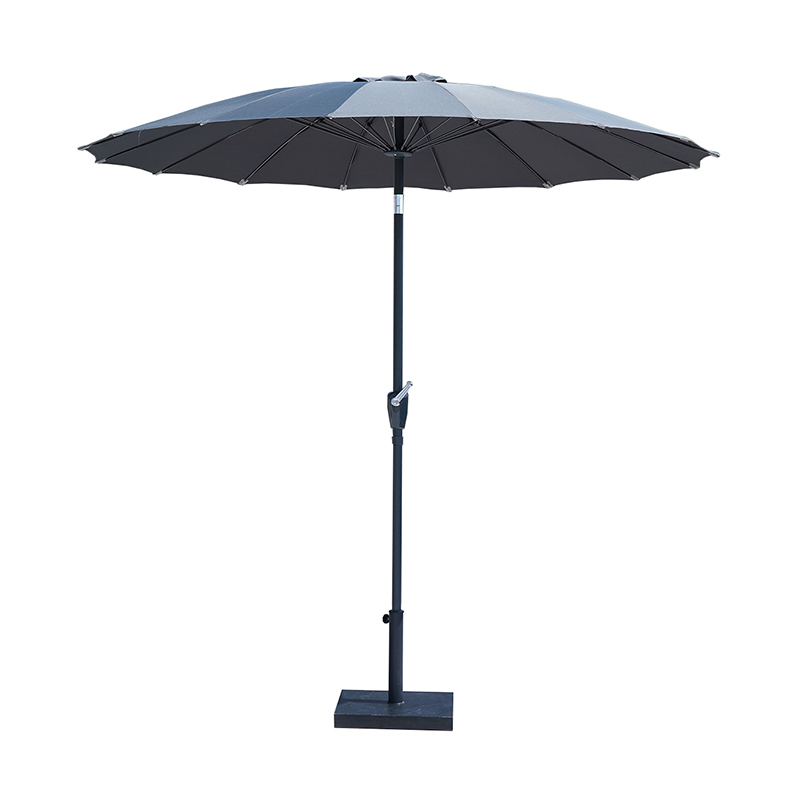
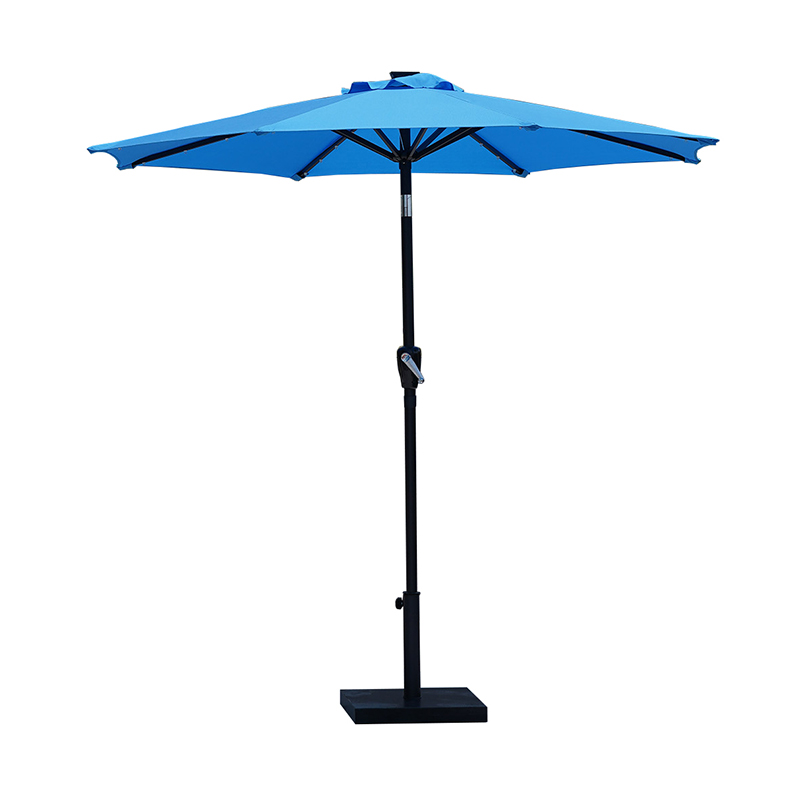
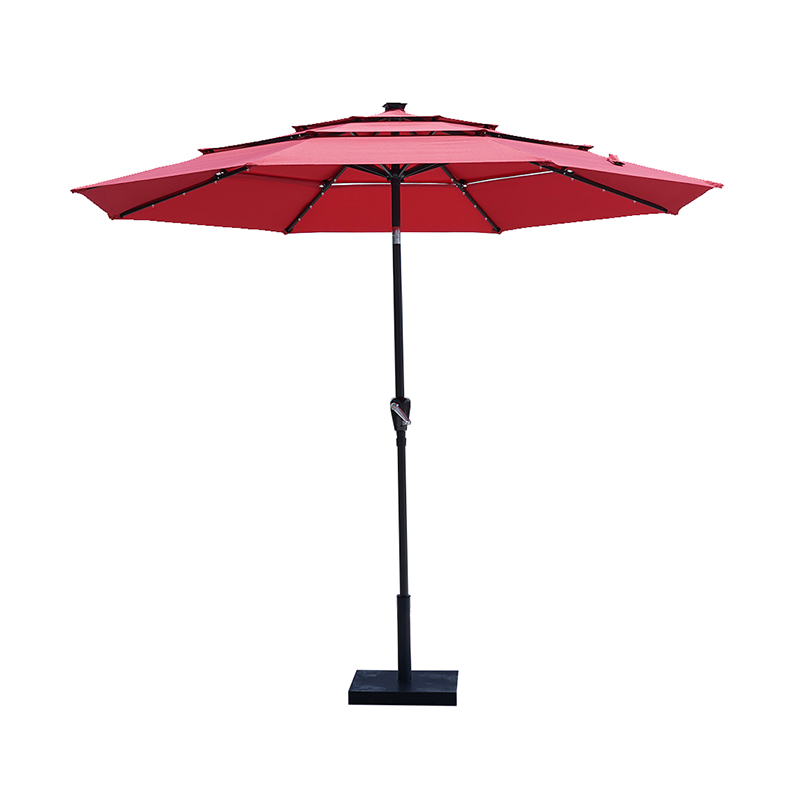
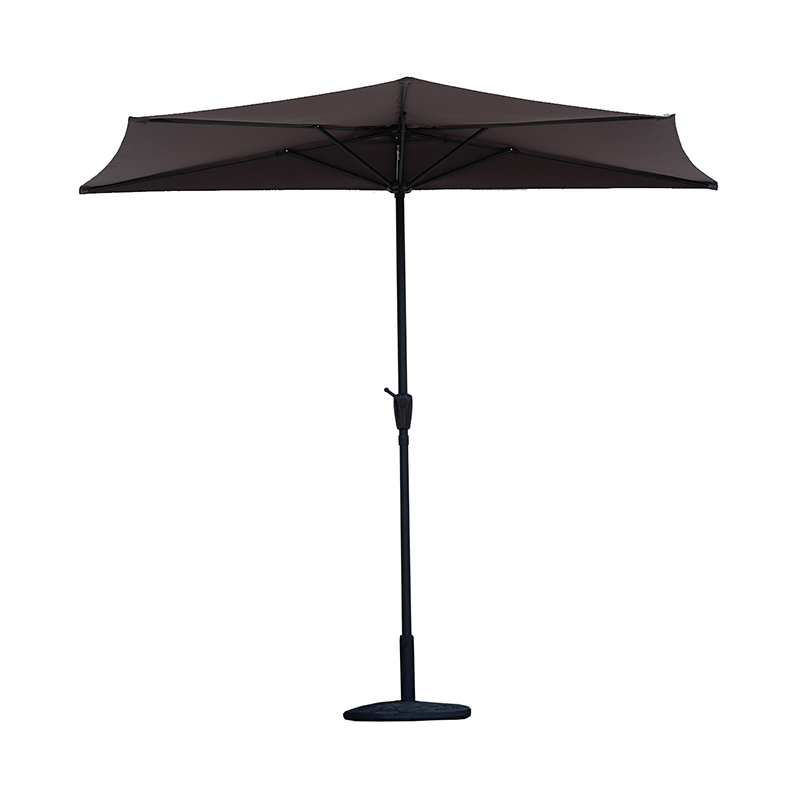
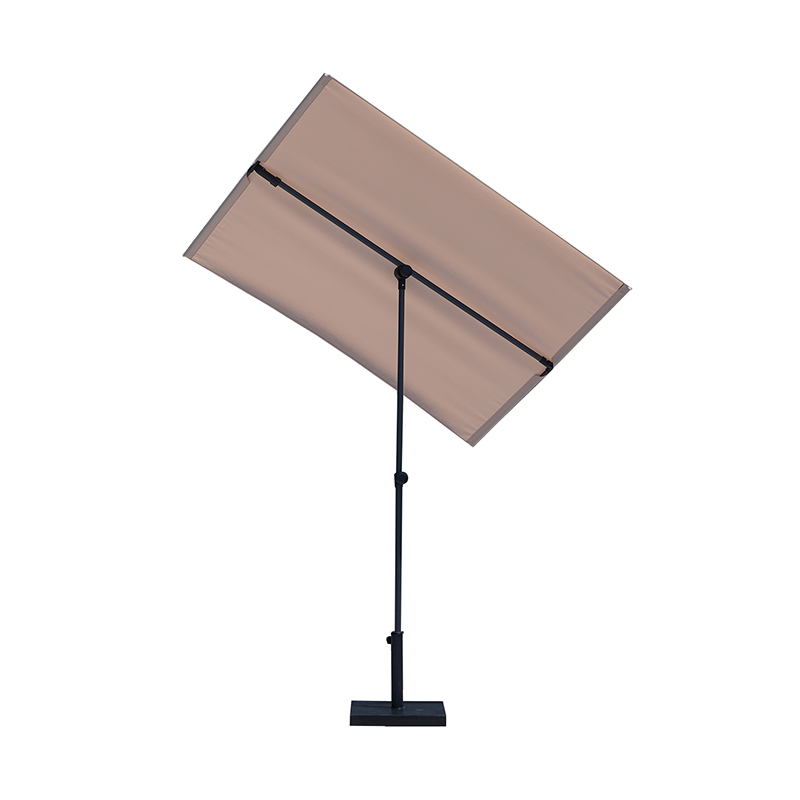
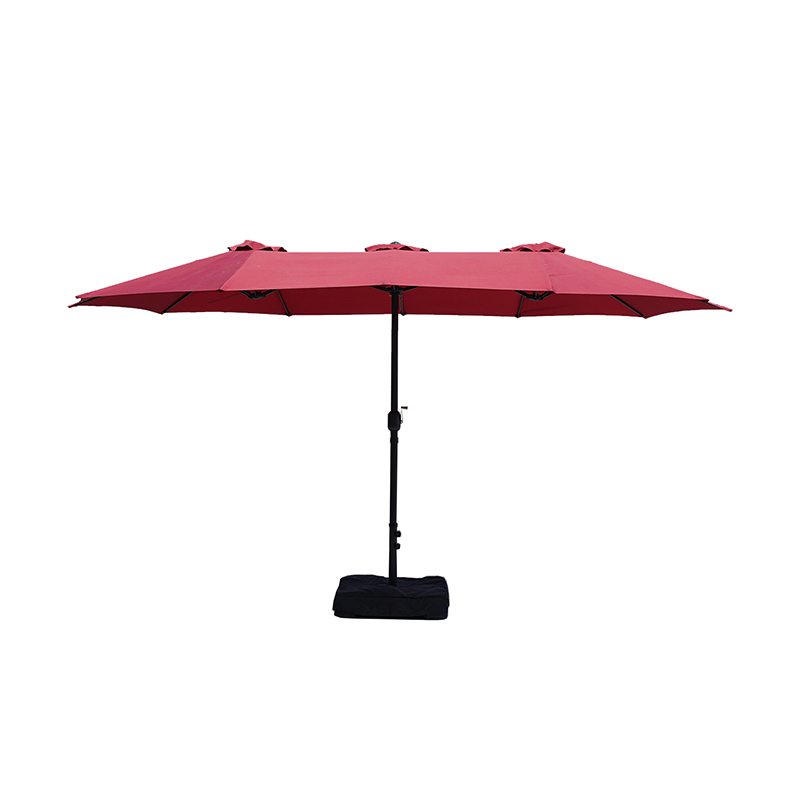
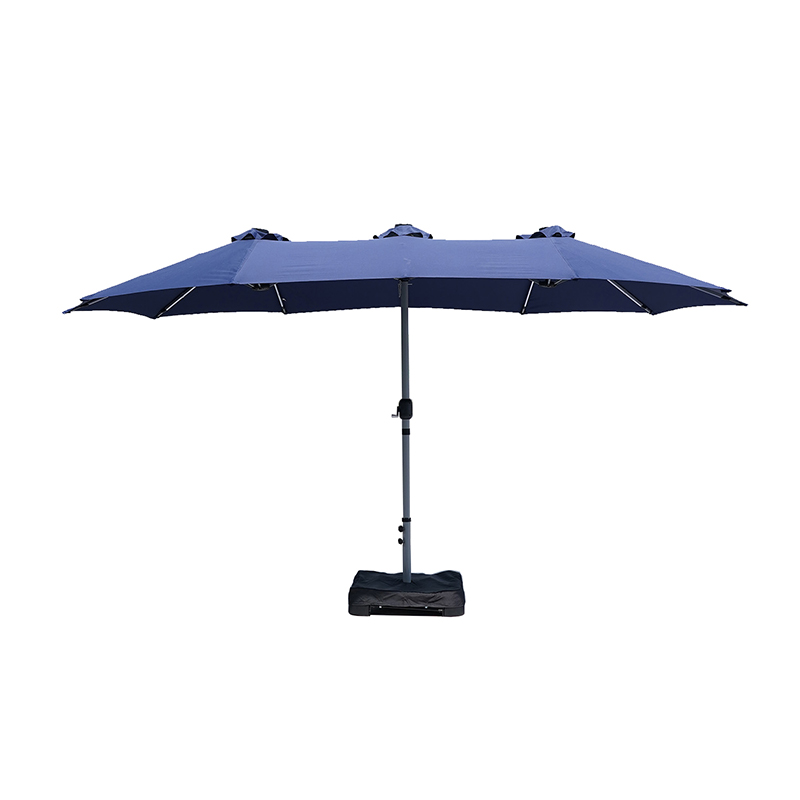
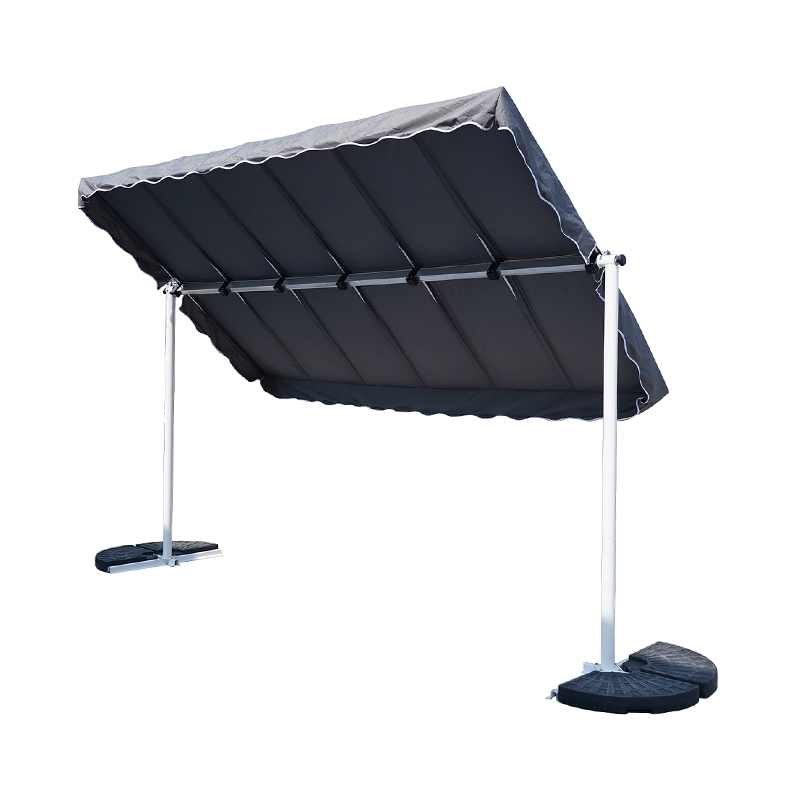
A Push Button Patio Umbrella sits in this category of practical tools where interaction simplicity becomes part of the overall experience. Instead of focusing only on structure, attention tends to shift toward how it responds during daily movement, changing sunlight, and shared use situations.
The sections below follow that practical angle, moving from mechanism behavior to comparisons, materials, and adjustment logic, without isolating each element as an independent system.
At a basic level, the structure relies on a direct press action that triggers opening or adjustment. Compared with multi-step motion systems, the interaction is compressed into a single point of control. That difference sounds minor in description, but in repeated outdoor use it changes how often adjustments are actually made.
In shared seating areas, this type of mechanism reduces hesitation. People tend to interact with it without planning the movement in advance, which is not always the case with rotating or tension-based systems.
Rather than thinking of it as a mechanical upgrade, it is more accurate to see it as a shift in interaction rhythm.
A few practical effects show up repeatedly:
In that sense, the Push Button Patio Umbrella behaves less like a fixed installation and more like a responsive part of the seating environment.
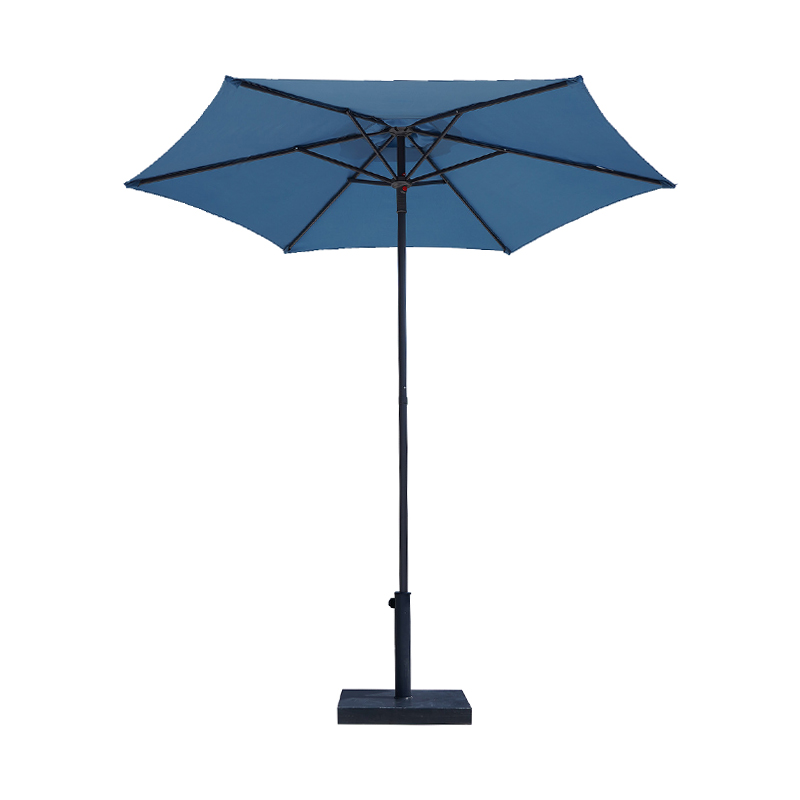
Comparing different umbrella mechanisms in real environments usually comes down to how motion is produced rather than how it is described.
Crank systems rely on repeated rotation, which introduces a controlled and gradual change. Push-based systems compress that motion into a shorter interaction cycle. Neither approach removes user effort entirely, but the pattern of effort is clearly different.
| Aspect | Push-based mechanism | Crank-based mechanism |
|---|---|---|
| Interaction style | Direct activation | Repeated rotation |
| Motion pattern | Short and immediate | Gradual and continuous |
| Adjustment feel | Quick response | Controlled progression |
| Use context | Shared or frequent adjustment | Planned positioning |
In practice, spaces with frequent seating changes tend to lean toward faster interaction systems. Meanwhile, environments where shade position is set once and left for longer periods often tolerate slower adjustment styles.
The distinction is not about complexity but about rhythm of use.
Material behavior becomes more noticeable over time than at the point of purchase. The frame structure and canopy surface interact continuously with outdoor conditions, and small differences in material selection tend to surface through wear patterns rather than immediate performance changes.
Frame sections usually define how stable the structure feels when opened. Metal composition, surface coating, and joint alignment all contribute to how repeated motion is absorbed.
The canopy, on the other hand, reflects environmental exposure more directly. Light intensity, moisture, and folding frequency all leave gradual traces on fabric behavior.
Instead of isolating individual components, it is more useful to view them together:
A Push Button Patio Umbrella performs as a combined system, where weak behavior in one area often becomes visible through another.
Tilt adjustment is often discussed as a feature, but in real use it functions more like a response tool for changing outdoor conditions. As sunlight shifts, fixed positioning becomes less effective without repositioning the entire base.
The ability to adjust angle introduces flexibility into how space is used. Instead of moving seating or relocating the structure, small changes in canopy orientation can redirect shaded areas.
This affects daily usage in subtle ways. People tend to adjust shade more frequently when angle changes are easy to access, especially in spaces where seating is not fixed.
The role of tilt adjustment can be described through behavior rather than mechanics:
In a Push Button Patio Umbrella system, tilt is less about complexity and more about reducing friction in everyday adjustments.
Wind is usually the factor that reveals how a shade structure behaves under real outdoor pressure. In calm conditions most systems feel similar, but once airflow becomes uneven, differences in structure and canopy design become more noticeable.
A Push Button Patio Umbrella is affected mainly through its surface exposure and load distribution. The canopy acts like a wide catching area, so even moderate airflow can translate into movement at the base and joints. What matters more is not eliminating motion entirely, but keeping that motion predictable.
Some design choices influence this behavior:
In practice, stability is less about resisting movement completely and more about avoiding sudden changes in position. That distinction becomes important in open patios where airflow is inconsistent rather than constant.
Operation feels different depending on where the umbrella is placed. The same mechanism can behave differently in a narrow balcony compared to a wide garden or poolside layout. Space around the structure often determines how naturally users interact with it.
In tighter environments, clearance becomes part of the operation itself. Movement is more cautious, and adjustments are usually planned before execution. In open areas, interaction tends to be more relaxed, with fewer spatial restrictions.
A few environmental factors tend to influence handling:
Instead of treating operation as a fixed behavior, it is more accurate to see it as something shaped by spatial conditions. The Push Button Patio Umbrella responds to these conditions through how easily it can be engaged without repositioning the entire structure.
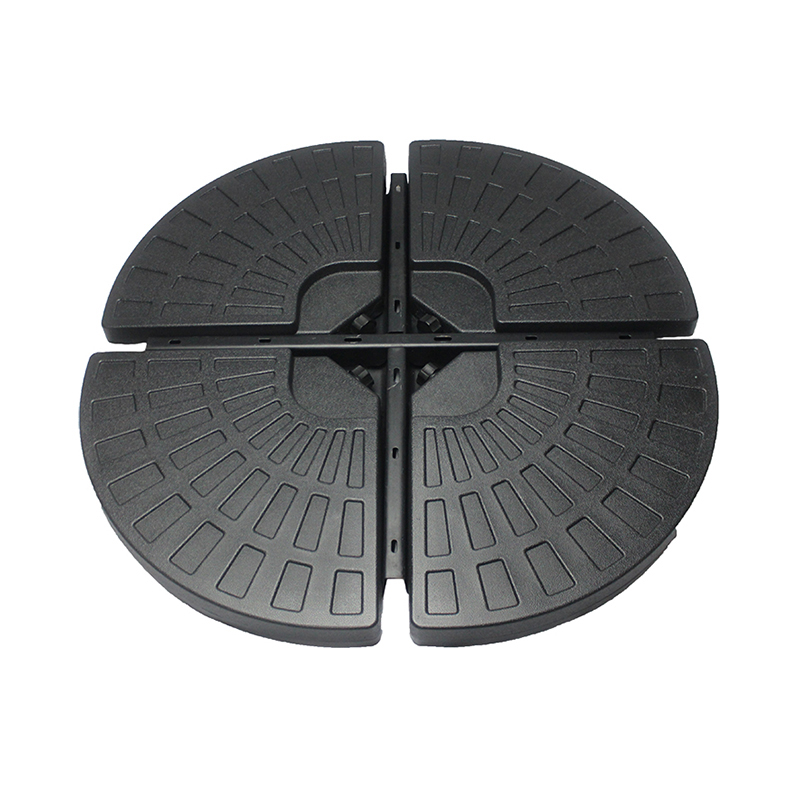
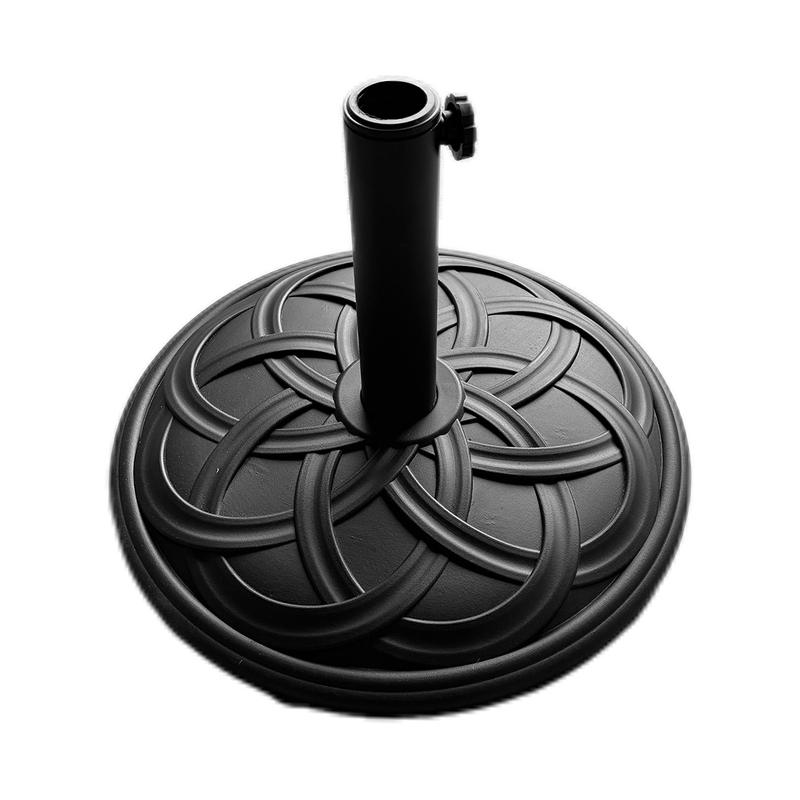
Base configuration is often overlooked until stability becomes an issue. The umbrella structure itself can function properly, but without a properly matched base setup, performance in outdoor conditions becomes inconsistent.
Different environments require different levels of grounding and support behavior. A patio near seating areas usually prioritizes balance with limited movement, while poolside spaces may deal with more open airflow and fewer surrounding anchors. Garden layouts can vary widely depending on ground type and spacing.
The relationship between base and structure can be understood as a support balance system rather than a fixed attachment.
| Environment | Installation focus | Practical consideration |
|---|---|---|
| Patio seating area | Stable placement near furniture | Avoid obstruction of movement paths |
| Poolside space | Strong grounding against open airflow | Reduce shifting during exposure |
| Garden layout | Adaptable positioning on varied ground | Ensure even contact with surface |
Across all these settings, the key factor is how well the base prevents gradual shifting rather than resisting every external force. A Push Button Patio Umbrella relies on this balance to maintain predictable positioning during use.
Maintenance in outdoor systems is rarely about immediate failure. It is usually about slow changes in movement quality, alignment, and surface response over time. Small accumulation of dust, moisture, or friction in joints can gradually alter how smoothly the mechanism behaves.
The push button structure is particularly sensitive to repeated motion points. Even slight resistance changes in the pressing area or locking sections can affect how users perceive responsiveness.
Maintenance behavior typically influences three areas:
In many cases, performance changes are not sudden. Instead, they appear as slower operation or uneven resistance during use. Regular attention to cleaning and storage conditions helps maintain more consistent behavior, especially in environments with frequent exposure.
A Push Button Patio Umbrella tends to reflect maintenance habits through its interaction feel rather than visible damage, which makes small changes more important than large interventions.
Related Products
Contact Us for More Details
Don't hesitate to contact when you need us!
Contact Information
Add:
No.5-58(Building1&2in factory ) Kongao village, DatianDistrict, Linhai, Zhejiang, China
Phone:
+86-13958586110
Tel:
+86-576-89398116
E-mail:
Product Category
QR Code
Join our community and stay connected

Wholesale Outdoor Parasol Umbrella Factory

 English
 中文简体
中文简体
 Español