2026-07-10
Outdoor shade is never only about the umbrella canopy. What sits below it can change how the whole setup feels in daily use. A patio may look finished from a distance, yet a loose support, a poor fit, or a base that takes up too much room can make the space harder to use than it should be. That is why the support piece deserves attention before the umbrella is placed in service.
Different spaces place different demands on the same product. A garden corner, a restaurant seating area, and a narrow balcony do not ask for the same shape, weight, or surface finish. The setting matters because the umbrella does not stand alone. It works with the ground, the pole, and the nearby movement around it. A Center Pole Umbrella Base is usually chosen for that kind of straight-pole setup, where the user needs flexibility without a fixed mount.
When the choice is handled with care, the result is easier to live with. The umbrella settles into place more naturally, the area feels less cramped, and the support does not become a constant distraction.
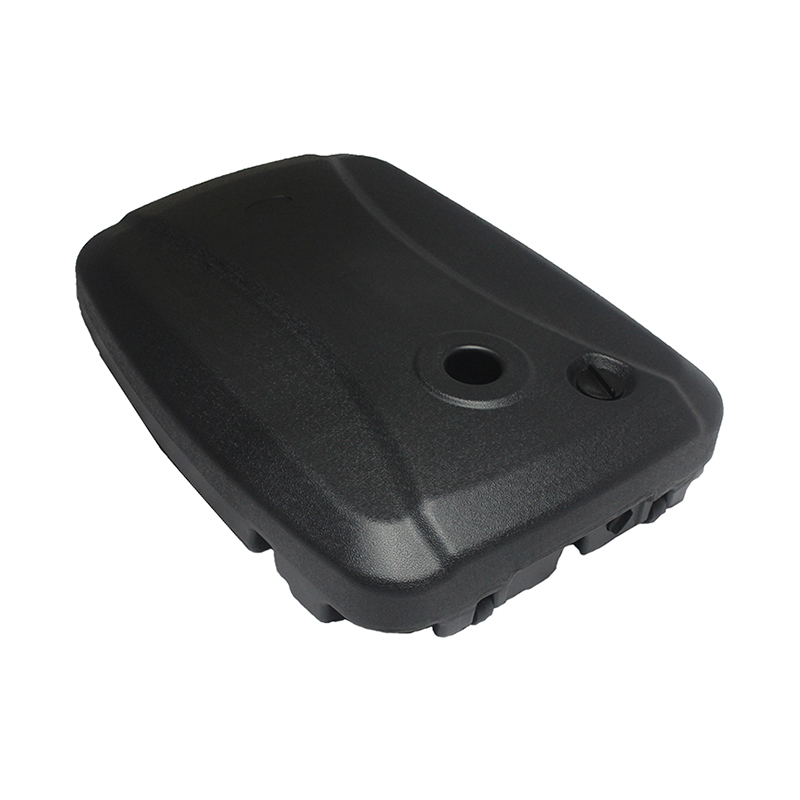
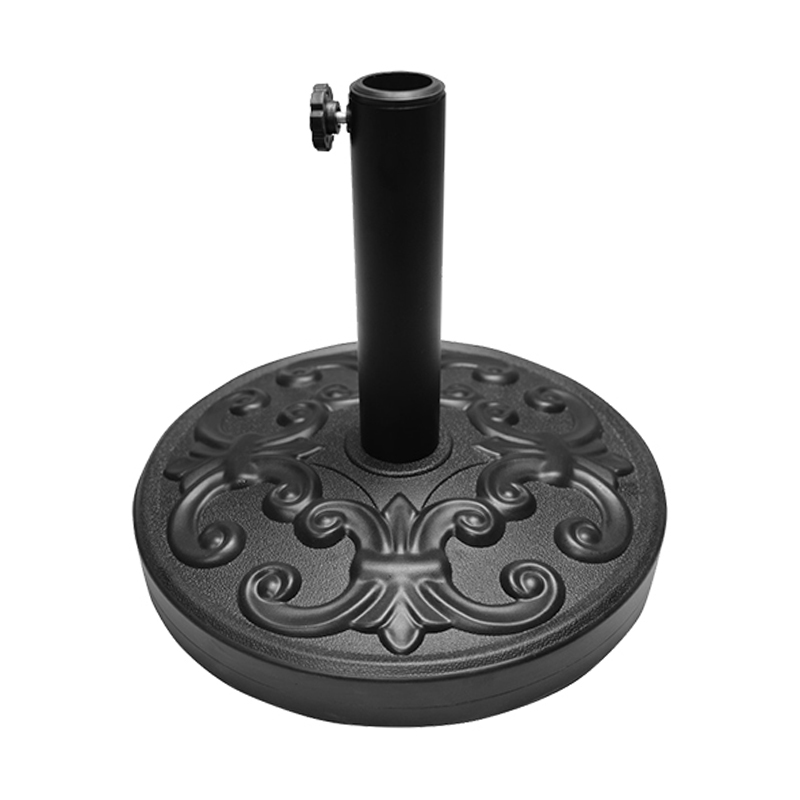
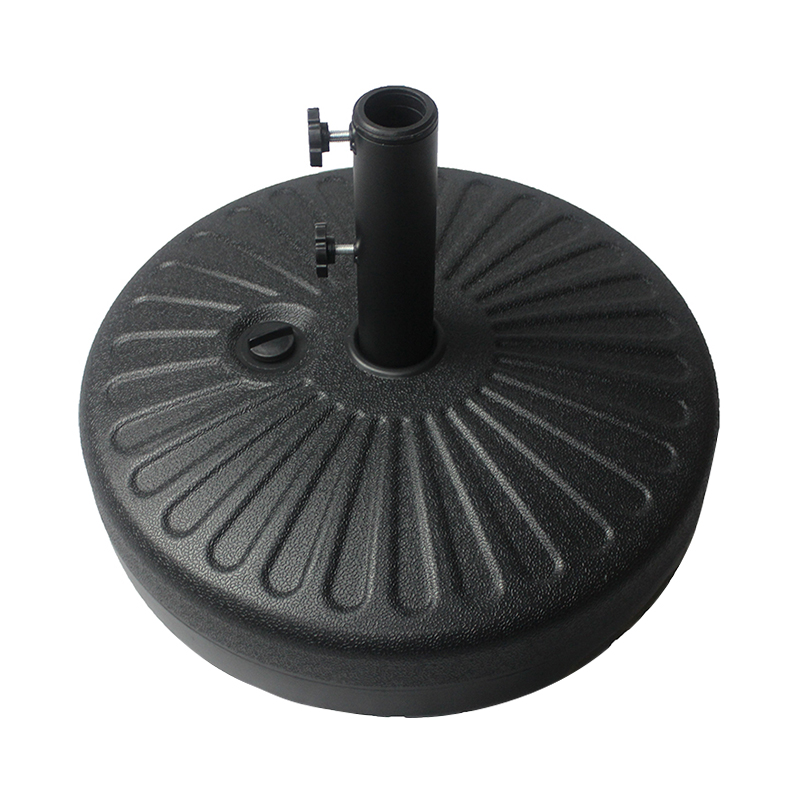
A Center Pole Umbrella Base is built to hold a straight umbrella pole in position and keep it grounded during outdoor use. It does not perform a decorative role only. Its purpose is practical. It keeps the pole upright, helps spread pressure close to the ground, and gives the umbrella a stable point to work from.
The structure is often simple on the surface, yet each part has a job.
| Part | Function |
|---|---|
| Base body | Provides ground support and weight |
| Pole holder | Keeps the pole in place |
| Fixing part | Helps reduce looseness |
| Outer finish | Supports outdoor use and appearance |
In use, the base and umbrella need to match each other. A pole that sits too loosely can shift during daily movement. A holder that feels too tight can make installation awkward. The support piece should sit between those two problems and create a fit that feels steady rather than forced.
The setting also changes how the base is perceived. In a private yard, the eye may notice appearance more closely. In a café or shared outdoor area, ease of use can matter just as much as appearance. The same support can work in both places, but only when the setup is planned with the environment in mind.
Buying one without checking the practical details often leads to avoidable trouble later. Size, placement, and the way the umbrella will be used all affect the result.
A few points matter early in the process:
Different places create different needs. A balcony may call for something compact and easy to handle. A garden may allow for a heavier setup. An outdoor dining area may need a support that feels steady under frequent use and repeated handling.
| Outdoor setting | What usually matters |
|---|---|
| Balcony | Space and ease of placement |
| Backyard | Comfort and visual balance |
| Restaurant seating area | Frequent use and practical handling |
| Garden path | Placement and long-term exposure |
It is also worth thinking about the surface below the umbrella. Uneven ground, loose paving, or soft soil can change how the support behaves. A base that works well on one surface may feel less stable on another, even when the umbrella itself has not changed.
Umbrella size and available space should be read together. A large canopy in a tight area can make the whole layout feel crowded. A very small support under a larger shade can feel out of proportion and harder to manage.
This is where the shape of the outdoor area enters the decision. In a narrow corner, users usually care about how much room the base takes on the ground. In a wider seating area, the balance between the canopy and the surrounding furniture may matter more. The support should fit the layout rather than fight it.
Some useful questions are simple ones:
A Center Pole Umbrella Base that suits one space can still feel awkward in another. That is why the surrounding layout matters almost as much as the umbrella itself. When both are considered together, the final setup tends to look and function more naturally.
Before anything is installed, the pole should be checked carefully. Many fitting problems come from assuming one pole will work with every holder. In practice, small differences in size can change how secure the connection feels.
The main things to check are straightforward:
If the pole enters the holder too loosely, it may shift during daily use. If the fit is too tight, installation becomes awkward and can wear the connection faster than expected. The aim is a steady fit that does not demand constant correction.
A Center Pole Umbrella Base should match the pole cleanly enough that the umbrella feels settled once it is placed. That simple fit is often what separates an easy setup from a frustrating one.
Material choice often changes the way a base behaves in everyday use. Some buyers notice the appearance first, but the real difference usually shows up later, after the umbrella has been placed outdoors and used for some time.
A resin surface can feel easier to handle when the base needs to be moved more often. Metal versions are often chosen when a firmer presence is preferred. Stone-like materials bring a heavier visual and physical impression, which may suit spaces that stay arranged in one place for longer periods. Concrete options are also used when a more grounded setup is needed.
| Material | Common Use | Main Consideration |
|---|---|---|
| Resin | Home patios and areas that need easier handling | Lighter handling and simpler movement |
| Metal | Shared outdoor spaces and regular use areas | Durable feel and steady placement |
| Stone-like material | Garden spaces and fixed layouts | Visual presence and heavier structure |
| Concrete | Long-term outdoor setups | Grounded support and low movement |
A Center Pole Umbrella Base does not need the same material in every setting. A small private terrace may call for a different approach than an open dining area. The point is not to choose the heaviest option by default. It is to choose the one that suits the space, the umbrella, and the amount of handling expected during daily use.
Surface finish also matters. A base that stays outdoors should be able to handle dust, rain, and regular cleaning without looking worn too quickly. That part is easy to overlook at first, but it becomes noticeable after repeated use.
Stability is usually the reason people pay attention to the base in the first place. A patio umbrella can seem secure on a calm day and still feel unsettled when the ground, placement, or surrounding movement changes.
The support works by keeping the pole centered and close to the ground. If the fit is loose, movement can begin small and become more noticeable during use. If the base sits unevenly, the umbrella may lean slightly, even when nothing else appears wrong. Small issues often create the biggest discomfort later.
Different environments affect the setup in different ways. A smooth floor gives one kind of support. A textured or uneven surface gives another. Areas with frequent foot traffic also place more demand on the arrangement because the umbrella may be adjusted more often.
A few conditions usually influence how stable the setup feels:
A Center Pole Umbrella Base is part of a system, not an isolated item. The umbrella, the ground, and the surrounding area all affect the final result. When the setup feels steady, it usually means those parts are working together rather than competing with one another.
The same support solution can serve different places, but the priorities are not identical. A restaurant, a garden, and a home patio each place a different kind of pressure on the setup.
In a restaurant seating area, the base may need to stay in place while still allowing the space to be arranged with some flexibility. Staff may move chairs, clean the area, or change the layout more often than a private user would. In that case, handling convenience matters as much as outward appearance.
A garden setting often values a calmer visual fit. The base may stay outdoors for longer periods and become part of the scene rather than an item that gets moved every day. That means appearance and resistance to weather exposure become more noticeable over time.
Residential patios usually sit somewhere between those two. The umbrella may be used often, but the space is usually more personal and less formal. People may care about ease of placement, storage, and how the base sits with furniture already in the area.
A few practical habits can help during selection:
A Center Pole Umbrella Base should fit the daily rhythm of the space. A product that works quietly in the background is often more useful than one that draws attention for the wrong reasons.
Outdoor products usually last longer when they are checked and cleaned from time to time. A base does not need complicated care, but it does benefit from regular attention.
Dust, water stains, and surface marks can build up gradually. Wiping the surface occasionally helps keep the base presentable and easier to inspect. It is also useful to check the fixing part now and then, since a loose connection can affect the way the umbrella stands.
Storage matters as well. When the umbrella is not in use for a long period, the base may be moved to a sheltered place if that fits the setup. This is not always necessary, but it can reduce wear from direct outdoor exposure.
Basic care usually includes:
A Center Pole Umbrella Base that is kept in regular condition can remain easier to use over time. Small maintenance habits often matter more than occasional deep cleaning. Once the base is part of a daily outdoor setup, simple upkeep helps the whole umbrella arrangement feel more settled.
Related Products
Contact Us for More Details
Don't hesitate to contact when you need us!
Contact Information
Add:
No.5-58(Building1&2in factory ) Kongao village, DatianDistrict, Linhai, Zhejiang, China
Phone:
+86-13958586110
Tel:
+86-576-89398116
E-mail:
Product Category
QR Code
Join our community and stay connected

Wholesale Outdoor Parasol Umbrella Factory

 English
 中文简体
中文简体
 Español