2026-10-23
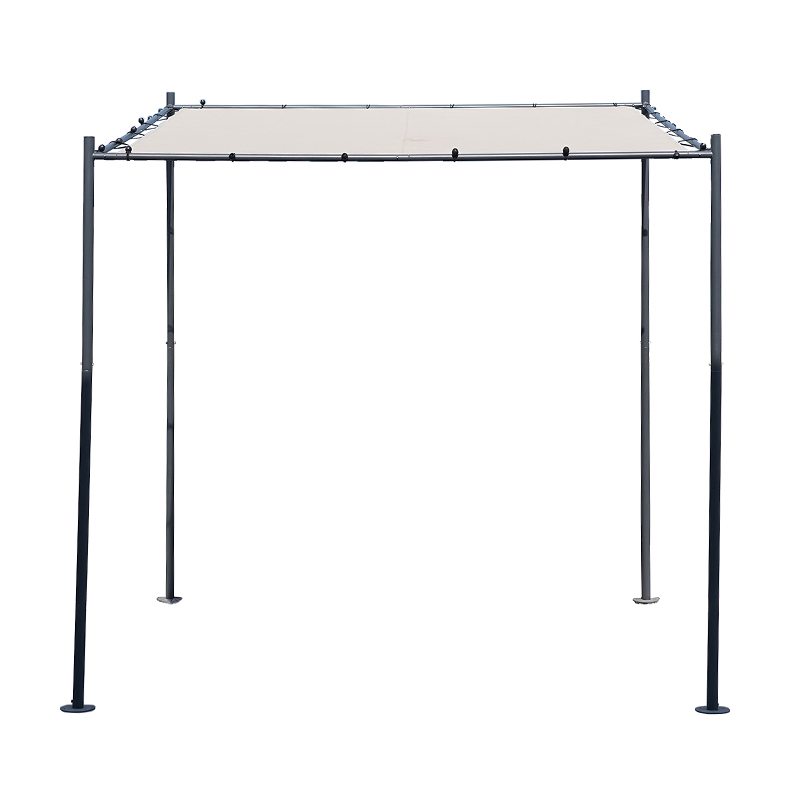
A Shade Cover Tent is great for outdoor events, camping, markets, backyard hangouts. But leave it out in sun, wind, rain, dust, and things start to break down. Fabric fades or tears. Metal parts rust. Damp storage brings mold. With some regular care—inspections, gentle cleaning, proper storage—you can protect your investment, cut repair bills, and get more seasons out of it. Here's how.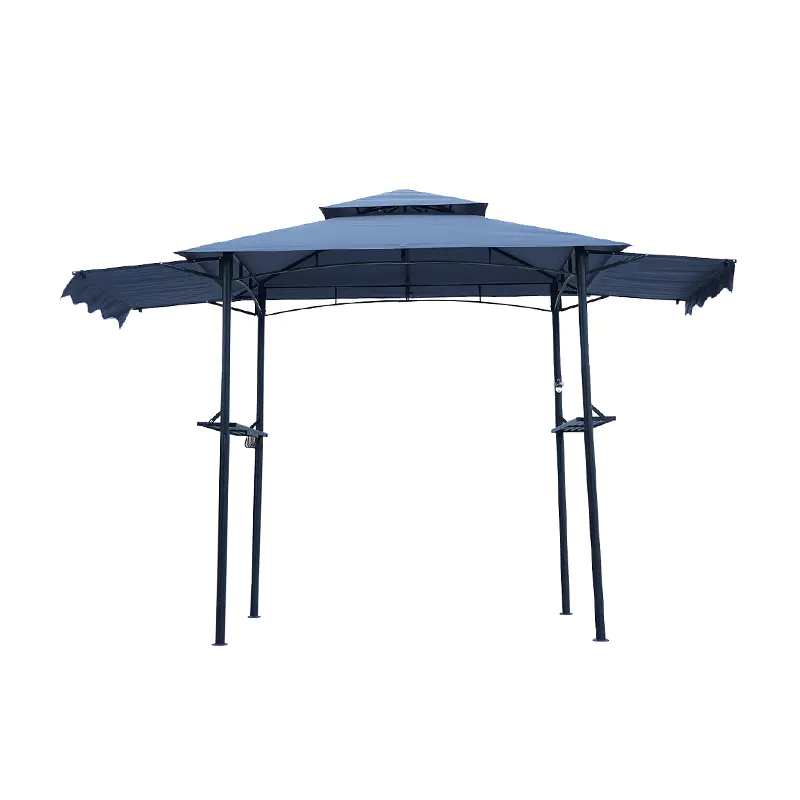
Check it before and after every use. Look at the canopy for holes, loose stitching, frayed edges, coating damage. Small tears grow fast once wind or tension hits them. Go over the frame, joints, locking mechanisms, fasteners. Bends, cracks, rust, loose bits—catch them early. Folding joints wear quicker because of all that setup and takedown. Fix minor stuff right away. Replace damaged parts with compatible ones from the manufacturer. If the frame is badly bent or locks are sketchy, don't use it.
Dust, pollen, bird droppings—they pile up. Regular cleaning keeps it looking decent and stops stains from setting in. Brush off loose debris with a soft brush. Then lukewarm water and mild soap, if the manufacturer allows it. Wipe gently with a soft sponge. Rinse the soap off. Let it air-dry completely. Skip bleach, harsh solvents, abrasive brushes, pressure washers unless the tent material is approved for them. Those can weaken fibers or wreck coatings. For stubborn stains or mildew, check the maker's recommended treatment first. Different fabrics need different care.
The frame holds everything up. Keep it clean and working right. After outdoor use, wipe it down with a clean cloth to remove dirt and moisture. Check steel parts for rust, aluminum for corrosion or surface damage. Keep joints, hinges, locking points free of sand and debris. Tighten loose fasteners when needed. Use lubricants only if the manufacturer says so. If the frame gets hard to open or close, look for misalignment or damaged parts. Don't force it.
Weather can shorten your tent's life when it goes beyond what the product can handle.
| Environmental Factor | Possible Damage | Recommended Action |
|---|---|---|
| Strong sunlight | Fading and fabric deterioration | Inspect the canopy and choose UV-resistant materials |
| Strong winds | Bent frames and torn fabric | Use suitable anchors and follow wind limits |
| Rain and standing water | Fabric stress and water damage | Maintain proper canopy tension and drainage |
| High humidity | Mold and mildew | Dry the tent thoroughly before storage |
| Dust and sand | Fabric abrasion and stiff joints | Clean the canopy and frame after use |
Always secure your tent with stakes, weights, or anchors that suit the surface. Take it down when weather exceeds the manufacturer's recommendations. A standard shade tent isn't built for severe storms or strong winds.
Trapped moisture inside a folded canopy means mold, mildew, bad smells. Before packing, make sure fabric, seams, frame, connectors are totally dry. If rain hits, unpack as soon as you can and air-dry everything. Don't leave damp fabric in a closed bag for long. Fold the canopy per the manufacturer's instructions. Keep it away from sharp edges and protruding fasteners. Store in a cool, dry, well-ventilated spot away from direct sun and excessive heat. Don't stack heavy stuff on the storage bag—pressure can deform frame parts or damage the canopy. Keep small accessories like pins and connectors in a labeled pouch so they don't get lost.
Different fabrics and frame materials need different care. Polyester, Oxford fabric, coated textiles, aluminum, steel—follow their specific instructions.
| Component | Maintenance Recommendation |
|---|---|
| Canopy fabric | Use an approved mild cleaner and a soft cloth |
| Protective coating | Avoid unapproved chemicals or aftermarket treatments |
| Aluminum frame | Remove dirt and moisture; inspect joints regularly |
| Steel frame | Check for rust and use compatible treatments when approved |
| Carry bag | Keep clean and dry before long-term storage |
Keep the original manual around for cleaning guidance and replacement-part specs. Using compatible products prevents accidental damage.
A simple routine makes tent care easier, especially if you use it often or commercially.
Proper cleaning, smart weather management, regular inspections, dry storage—that's how your Shade Cover Tent stays functional and presentable for many seasons. A consistent routine also catches small problems early, which means fewer repairs and lower replacement costs.
Related Products
Contact Us for More Details
Don't hesitate to contact when you need us!
Contact Information
Add:
No.5-58(Building1&2in factory ) Kongao village, DatianDistrict, Linhai, Zhejiang, China
Phone:
+86-13958586110
Tel:
+86-576-89398116
E-mail:
Product Category
QR Code
Join our community and stay connected

Wholesale Outdoor Parasol Umbrella Factory

 English
 中文简体
 Español