2026-10-16
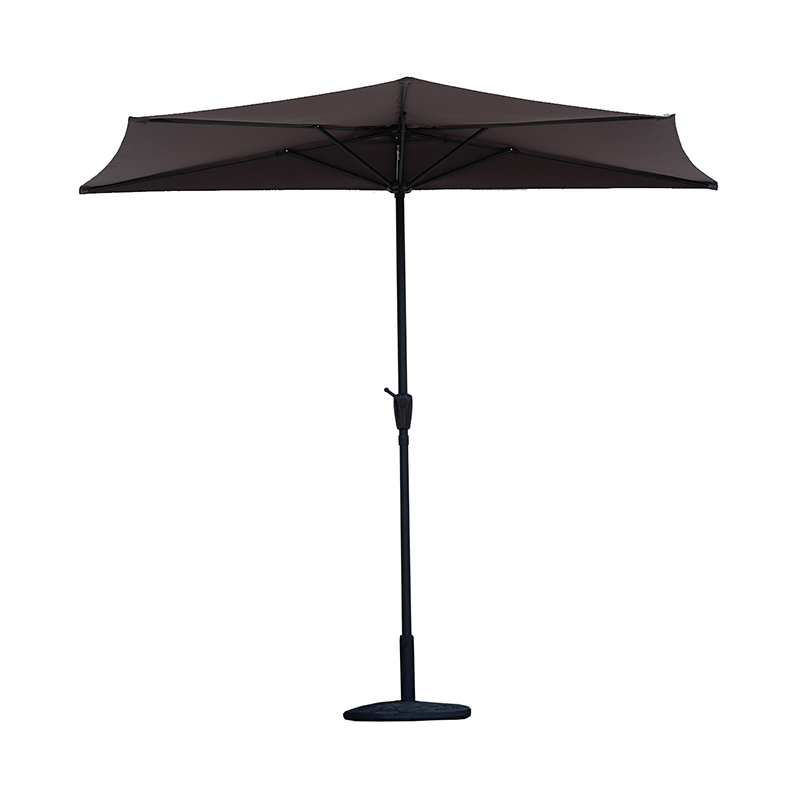
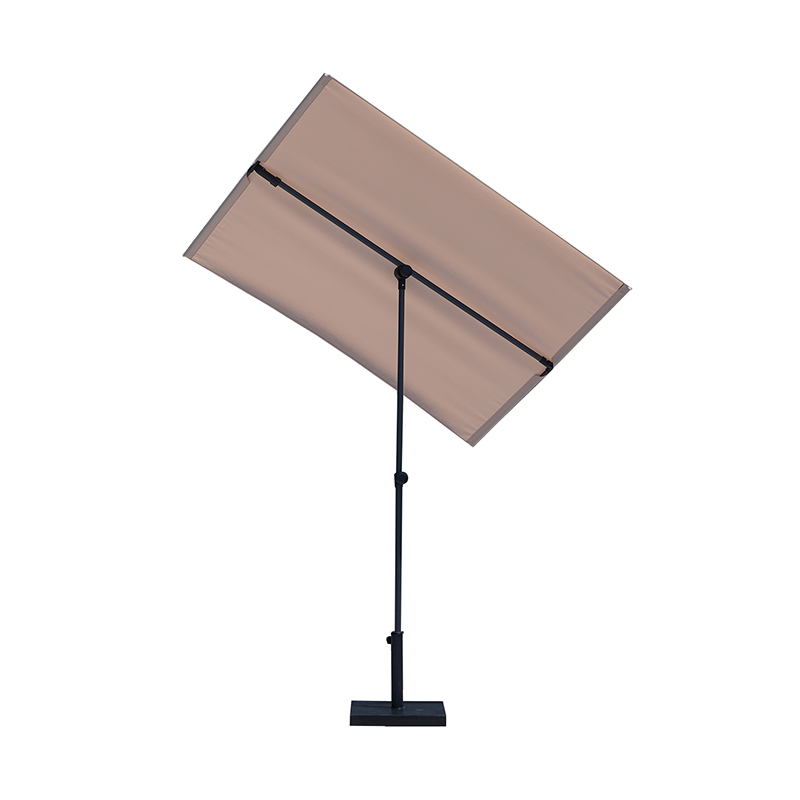
A wall mounted outdoor umbrella is handy on patios, balconies, restaurant terraces, and anywhere you want a patch of shade. The sun will fade the fabric over time, and rain, humidity, dust, or salt can stain the canopy or wear on the metal bits. If water sits around too long, mildew moves in, and once the finish on brackets and screws starts to chip, corrosion isn't far behind.
The good news is you don't need a complicated routine. Just clean it now and then, poke at the hardware once in a while, and fix small stuff before it turns into a bigger headache.
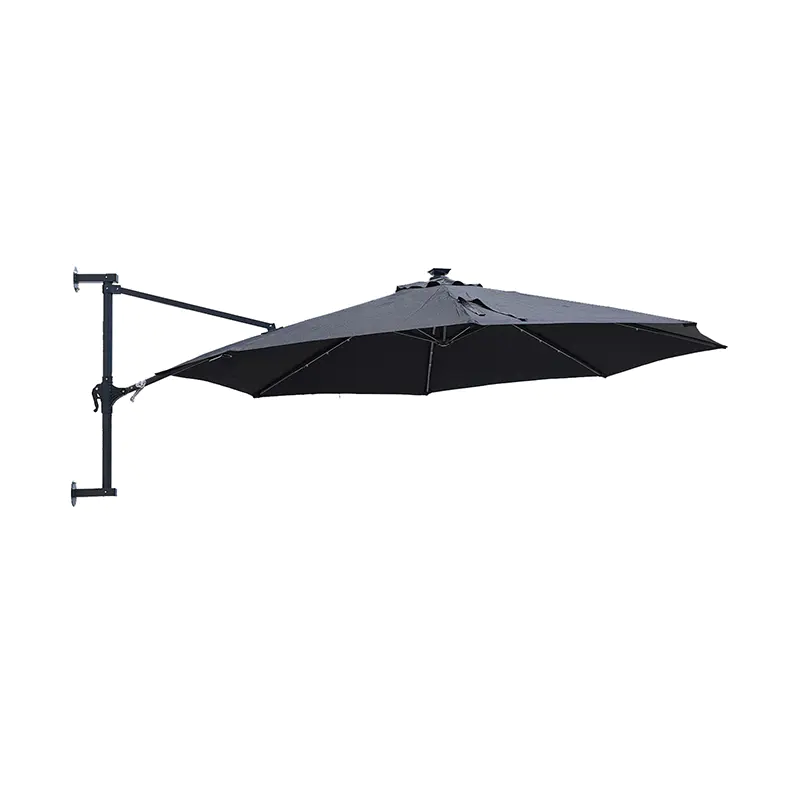
UV rays break down fabric dyes and can weaken fibers. Dampness is an open invitation to mildew, and dust, pollen, bird droppings—they all leave marks.
Metal parts have their own set of problems. Moisture and grime eat away at protective coatings, especially around joints, bolt heads, and the wall brackets. If you live near the coast, salt in the air speeds all of that up on less resistant metals.
Cleaning washes away the deposits, and a quick inspection catches loose fasteners, frayed seams, and peeling finishes while they're still small.
Fabric choice makes a real difference. Solution-dyed acrylic is popular because the pigment goes in during fiber production rather than sitting on top. Polyester is common too, though how it holds up depends on the weave, the dye job, and whatever treatments it's had.
That said, no fabric shrugs off sunlight forever. Fading depends on how strong the UV is, how many hours a day it's out, the color you picked, and the quality of the material.
Before you buy, look up what the manufacturer says about UV resistance and colorfastness. If the canopy sits in direct sun most of the day, go with something built for long outdoor exposure.
Gentle, regular cleaning keeps dirt from baking into the fabric when it's hot and wet.
Skip the abrasive brushes and hard scrubbing, and don't reach for cleaners the fabric isn't rated for. You'll damage the fibers or strip the water-repellent coating. For stubborn marks, check the care instructions, and test any cleaner on a hidden patch first.
Close the umbrella when you're not using it. It cuts down UV exposure and keeps some dust off the canopy. Follow the operating instructions, and if the frame feels stuck, don't force it.
A cover helps when it's going unused for a stretch. Just make sure the canopy is fully dry before you wrap it up—trapped moisture leads to mildew and that musty smell nobody wants.
Support arms, hinges, brackets, and screws take a beating. Dirt and water collect in joints and recessed fittings where you can't see it right away.
Wipe accessible hardware with a soft cloth and a cleaner that matches the finish. Get rid of grime and salt residue, then dry things off. Aluminum grows its own oxide layer, stainless steel's resistance depends on the grade and the surroundings, and powder-coated steel is only as good as its coating.
Stay away from harsh cleaners and abrasive tools—they scratch or strip the protective surfaces you're trying to preserve.
Look over the frame for chipped paint, scratches, rust-colored spots, or peeling coating. Once the finish is broken, moisture reaches the metal underneath.
Give bolts and wall brackets a once-over for rust, looseness, or weird movement. Small areas of coating damage can often be touched up with a product meant for that finish. Only lubricate hinges if the manufacturer says to—the wrong oil or grease just collects dust and can mess with nearby materials.
If the umbrella shifts at the wall, or you spot cracks in the surrounding wall, stop using it until someone looks at it. Mounting problems aren't something to patch over.
| Component | Recommended care | What to avoid |
|---|---|---|
| Canopy fabric | Mild soap and a soft sponge | Abrasive brushes, unapproved bleach |
| Fabric color | UV-resistant material; close when practical | Leaving it exposed when not needed |
| Aluminum frame | Wipe off dirt and moisture with a suitable cleaner | Harsh products that damage the finish |
| Steel brackets | Check coatings; touch up small damage | Ignoring scratches or early rust |
| Stainless steel fasteners | Wash off salt, dry thoroughly | Assuming stainless steel never corrodes |
| Hinges and joints | Check movement; lubricate as specified | Using the wrong lubricant |
These are general guidelines, not a replacement for your manufacturer's instructions. Stick with products and procedures made for your fabric and frame.
Your local climate dictates how often you need to pay attention.
A loose routine makes this stuff easier to remember.
| Frequency | Task |
|---|---|
| After prolonged rain | Check for trapped moisture; let the canopy dry |
| Every few weeks | Brush off debris; eyeball visible hardware |
| Every three months | Clean fabric, check seams, look at fasteners |
| Before each outdoor season | Inspect the whole assembly and operating mechanism |
| Before extended storage | Clean and dry; go over each component |
Umbrellas near the coast or in humid zones may need more frequent attention. It also helps to keep a short note of stains, rust, or mechanical issues that keep coming back—if something recurs, there's probably an underlying cause worth sorting out.
Regular cleaning, the right materials, and periodic hardware checks go a long way toward keeping a wall mounted outdoor umbrella looking decent and working as it should. Tweak the routine to match your fabric, your frame's finish, and your local weather, and you'll cut down on avoidable wear.
Related Products
Contact Us for More Details
Don't hesitate to contact when you need us!
Contact Information
Add:
No.5-58(Building1&2in factory ) Kongao village, DatianDistrict, Linhai, Zhejiang, China
Phone:
+86-13958586110
Tel:
+86-576-89398116
E-mail:
Product Category
QR Code
Join our community and stay connected

Wholesale Outdoor Parasol Umbrella Factory

 English
 中文简体
中文简体
 Español