2026-07-17
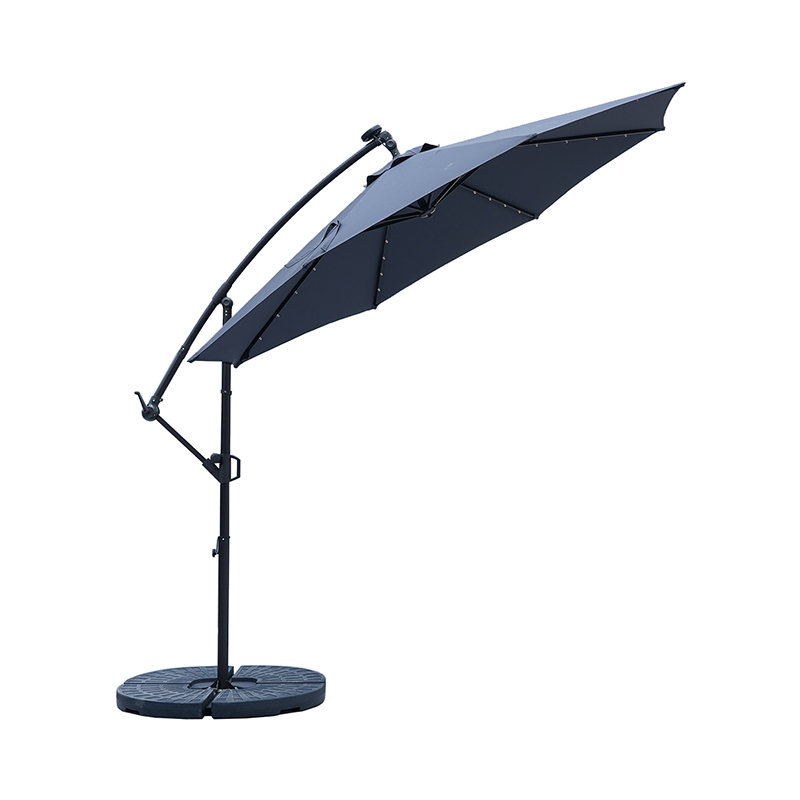
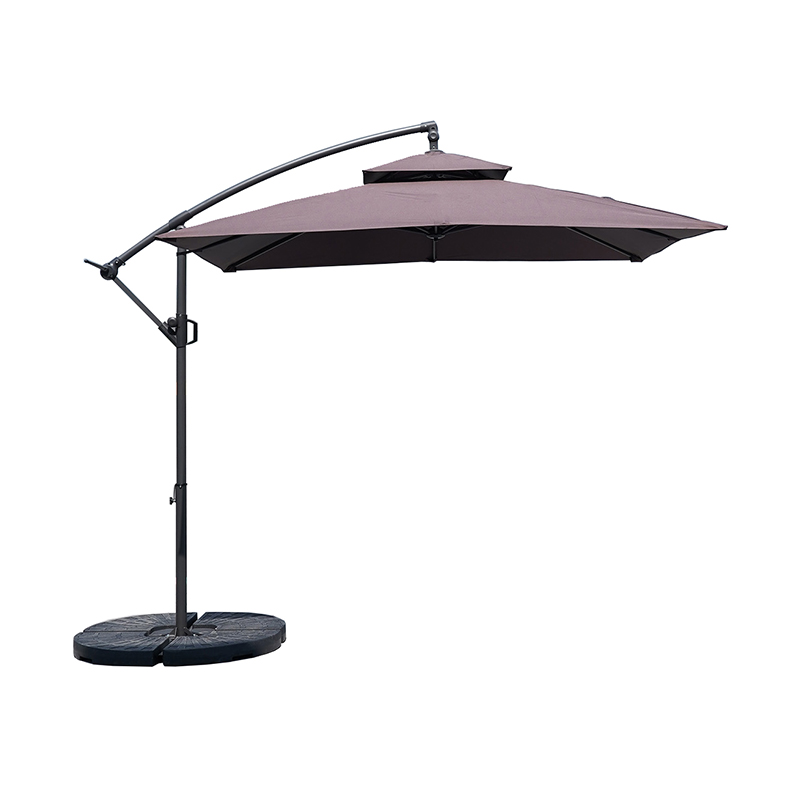
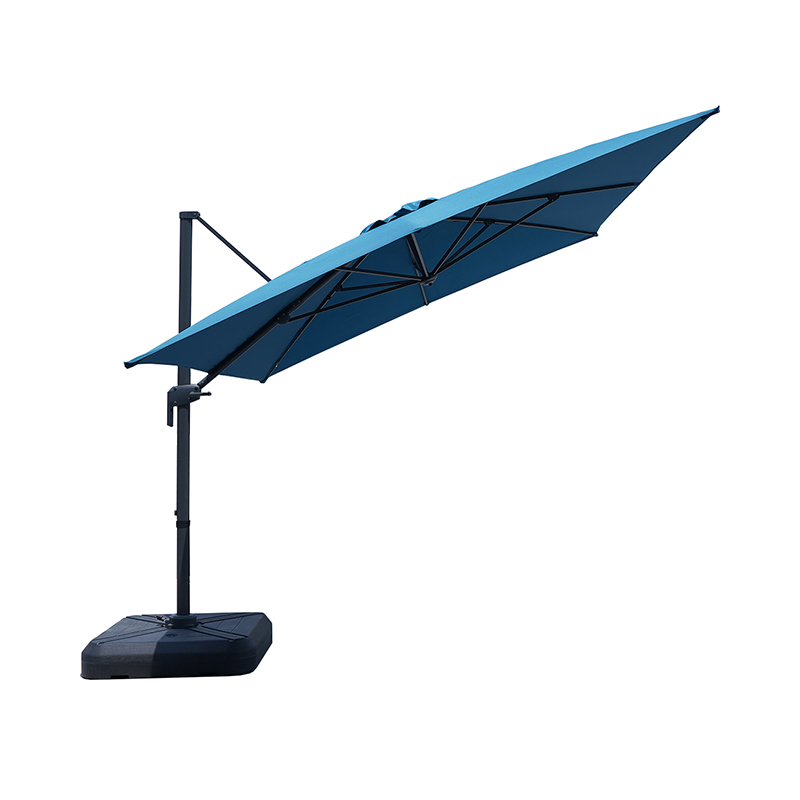
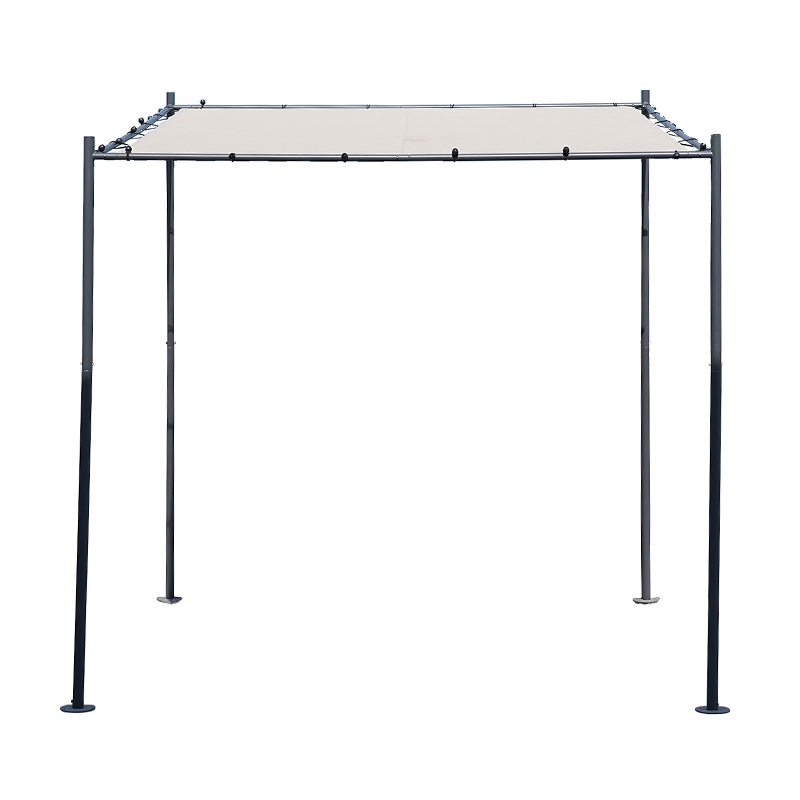
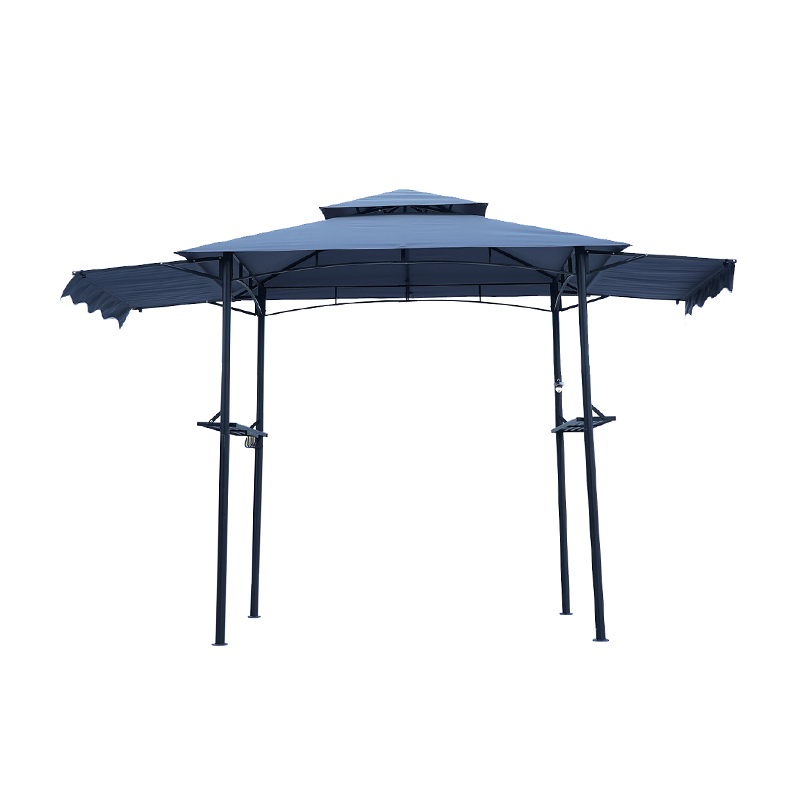
An Outdoor Tent Umbrella is often chosen for more than shade alone. People look at it as part of the space itself, which means the shape, materials, opening method, anchoring, and upkeep all matter. A unit that looks right on paper can still feel awkward in use if the canopy sits too low, the frame feels unstable, or the fabric does not suit the weather where it will stay.
Selection works better when the process moves from design to use in a clear order. Start with the space, then look at structure, fabric, and placement, and only after that move into daily handling and care. That approach keeps the choice practical and reduces mismatch later. It also helps buyers compare options without getting lost in minor features that do not affect real use.
The design of the frame should reflect the space around it. A narrow patio calls for a different layout than a wider dining zone or a temporary event area. Shape, height, and side clearance all affect how the structure feels once it is in place. If the canopy is too close to seating, movement becomes limited. If it sits too high without enough support, the covering can feel exposed.
Key design elements usually include the canopy form, support arms, center or side positioning, opening method, and base connection. Each part changes how the shade area behaves in daily use. A simple design can work well in a calm setting, while a more reinforced layout may suit open areas with stronger wind or frequent setup changes.
| Design Element | What It Affects | What to Check |
|---|---|---|
| Canopy shape | Shade coverage and visual balance | Edge line, slope, overhang |
| Frame layout | Stability and space use | Arm position, support path |
| Opening method | Ease of handling | Manual feel, locking action |
| Base connection | Ground support | Fit, weight, placement |
| Height choice | Comfort and clearance | Headroom, furniture fit |
A useful way to think about design is to match it to the activity under it. Dining spaces need clear movement around tables. Lounge areas need softer coverage and room for chairs. Event areas may need a layout that can be adjusted more easily. When the shape answers the setting, the structure becomes easier to live with.
Size should follow the space, not the other way around. A covering that spreads too widely can crowd nearby walkways or create visual imbalance. A smaller unit may leave seating partly exposed and reduce the sense of shelter people expect. The right choice depends on the area that needs shade, the distance from nearby walls or plants, and the amount of room needed for movement.
For private yards, the target is often comfort and simple flow. For cafes, hospitality terraces, and shared seating areas, the shade area must support traffic around tables without making the setting feel tight. That means measuring the usable zone, not just the open ground. Space around chairs, doorways, and service paths matters as much as the central footprint.
A practical method is to map the area in use. Mark where chairs, tables, or benches will stay, then see how much coverage the canopy should provide beyond those points. That extra edge helps block low sun and improves comfort without forcing people to sit at the edge of the shaded area.
Some buyers also overlook clearance near walls, glass, or railings. Even a well-sized unit may feel awkward if it sits too close to fixed features. A clear boundary around the structure makes operation easier and helps the space stay open and usable.
Material choice shapes how the unit performs day after day. The canopy fabric affects how the shade feels, how the surface handles moisture, and how it responds to regular cleaning. Frame material affects rigidity, movement, and wear at joints. A balanced mix usually works better than choosing one part in isolation.
| Material Area | Typical Role | What Matters in Use |
|---|---|---|
| Canopy fabric | Shade and surface protection | Fade resistance, feel, cleaning ease |
| Frame metal | Support and load handling | Strength, corrosion resistance, weight |
| Connectors | Movement and alignment | Fit, wear, smooth operation |
| Base material | Ground contact and balance | Grip, stability, placement |
Some fabrics hold color and shape well under regular exposure, while others may feel lighter but need more attention when weather shifts. A tighter weave can help control glare and improve coverage, but it may also change airflow under the canopy. That is not a flaw; it is a tradeoff that should match the site.
For frames, the goal is not only stiffness. It is also about how the structure behaves over time. Joint areas need clean movement and steady support. If the frame flexes too much, the whole unit can feel unstable. If it is overly rigid without a thoughtful connection system, handling may become awkward.
Care choices should begin with the material itself. A fabric that wipes clean easily suits food areas. A surface that tolerates regular folding and unfolding suits spaces that change layout often. Material and use should stay aligned.
Frame structure decides how the load moves through the unit. A strong canopy alone does not keep the setup steady if the frame does not carry pressure well. Wind, shifting weight, and repeated opening all create stress points. Those points usually appear where arms meet the center line, where supports connect, and where the base transfers weight to the ground.
A stable frame should distribute force in a clean path. That means fewer weak transitions and better alignment between moving parts. When the support path is clear, the structure tends to feel more settled in daily use. When the path is uneven, small movements can become noticeable and tiring to manage.
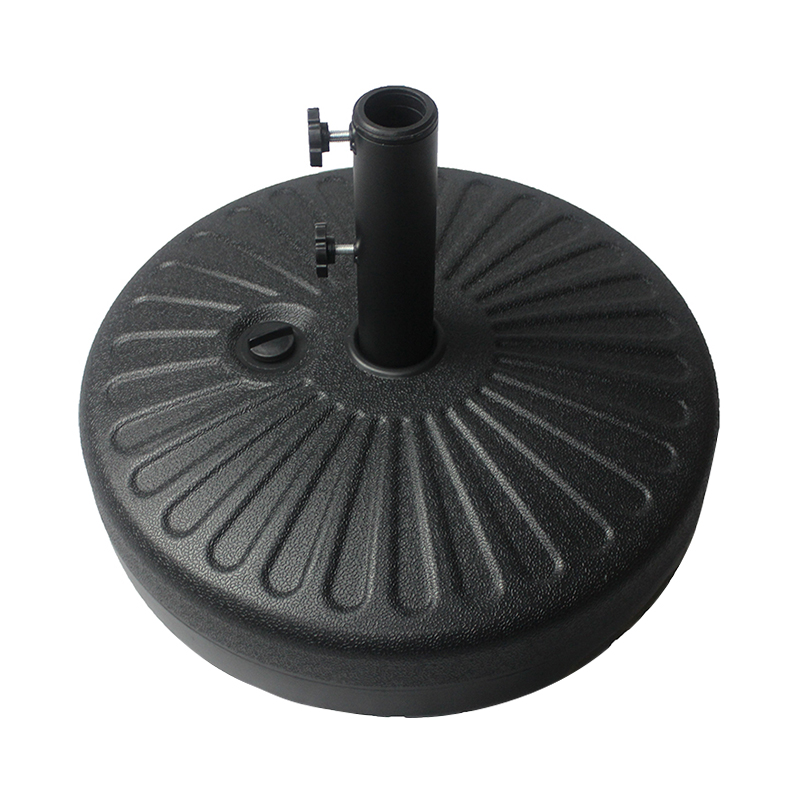
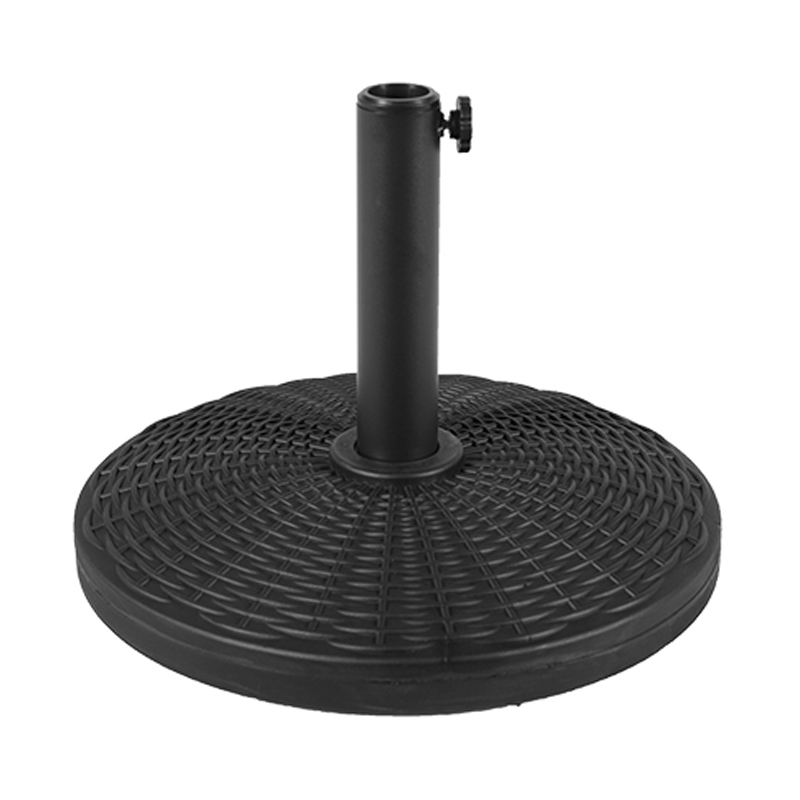
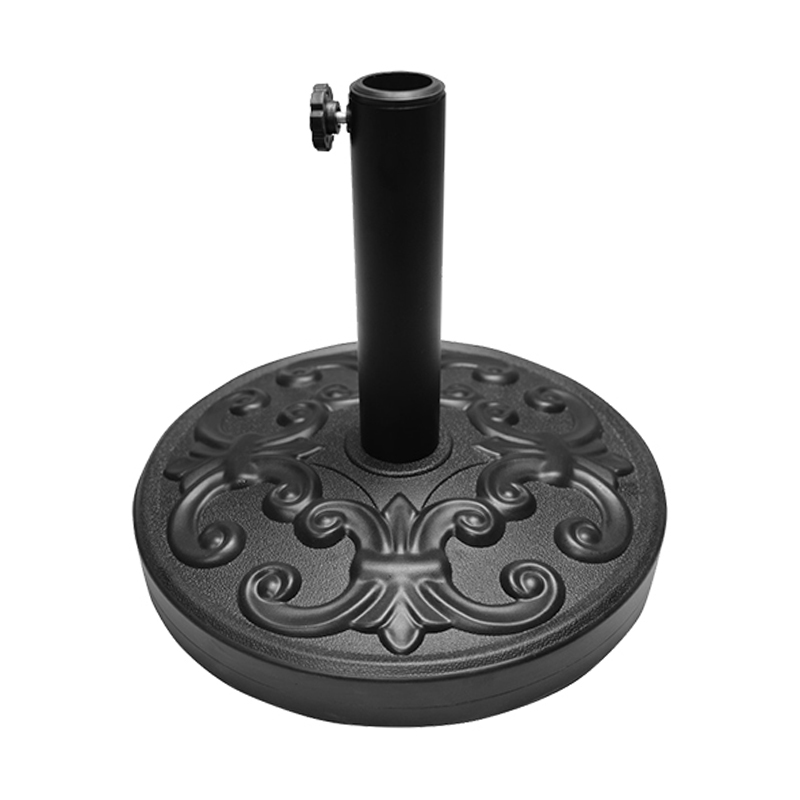
The base matters as much as the visible frame. A heavy base is not enough on its own if the connection point is loose. The fit between the base and the support column needs to stay firm. In open areas, that connection becomes even more important because the structure has fewer nearby surfaces to shield it.
A careful buyer should look at:
The frame should also be easy to check during routine care. If the layout hides wear points or makes cleaning difficult, small issues may go unnoticed. Clear structure helps both stability and upkeep.
Comfort in outdoor dining or event areas depends on more than shade alone. People notice heat, glare, airflow, and how easy it is to move around the space. A well placed cover can soften direct sun, reduce harsh brightness, and create a more usable zone for longer periods.
In dining settings, comfort often means keeping the seating area pleasant without blocking service paths. The cover should help guests feel sheltered while still allowing staff to move between tables. In event settings, the same structure may need to guide circulation, define a gathering area, or give guests a place to pause without feeling crowded.
The shape of the surrounding furniture matters too. Round tables, long benches, and mixed seating layouts all change how the shade area works. A unit that suits one layout may need to be repositioned for another. That is why flexibility in placement becomes valuable.
Some locations also need a visual role. The structure can divide an open area into smaller zones without hard barriers. That can make a large space feel calmer and easier to use. When the shade area is aligned with seating and movement, the result is usually a space that feels more settled and easier to maintain through the day.
A manufacturer should be evaluated on process, material handling, and consistency rather than surface appearance alone. Buyers often ask whether a supplier can keep frame quality steady, match fabric choices, and support varied project needs. Those points matter because the same design can perform differently depending on build quality.
Useful checks include how material is sourced, how parts are joined, how final inspection is handled, and how flexible the production line is for different project requests. A clear sample process can also help buyers judge whether the final product will align with the intended use. If sample details are vague, larger orders may carry more risk.
Communication is another practical factor. A responsive supplier can clarify sizing, fabric selection, and assembly points before production begins. That lowers the chance of mismatch and saves time during later stages.
Questions that help guide review:
A reliable production partner should make the process easier to manage, not harder. That is especially important when the project involves several units or a setting that needs visual consistency.
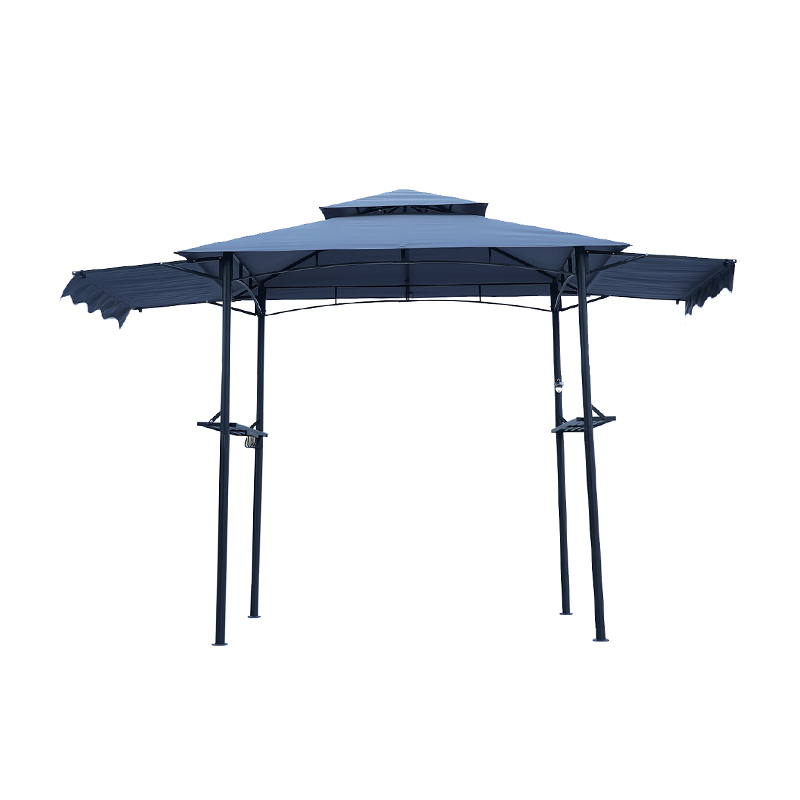
Custom work usually begins with the setting. A private garden may need a softer look, while a hospitality area may need cleaner lines and a more uniform finish. Once the use case is clear, customization can cover shape, height, fabric choice, opening style, and support layout.
Color is often one of the simplest changes, but it should still match the surroundings. A shade structure in a dining area may need to blend with furniture and flooring. In a retail or event space, the visual role may be more direct. Fabric finish also changes how the structure feels in daylight, so surface texture should not be ignored.
Structural changes can matter just as much as visual ones. A different opening method may suit a space that changes often. A reinforced frame may suit a site with stronger weather exposure. Support placement can also shift the practical feel of the unit, especially where furniture or foot traffic is tight.
Customization is not only about appearance. It is about fit. A well matched product should suit the site without forcing changes to the space around it. That is why careful briefing matters before production begins.
Care starts with routine handling. Dust, moisture, and folding marks can all affect long term appearance if they are ignored. Regular cleaning should be light and careful, using methods that suit the fabric and frame rather than forcing a rough approach.
The canopy should be checked for spots that collect dirt or hold moisture after rain. Those areas tend to age faster than open surfaces. The frame should also be checked for loose joints, worn contact points, or movement that feels less steady than usual. Small checks done often are easier than dealing with bigger wear later.
Storage matters during periods of limited use. A dry, clean place helps the fabric keep its shape and reduces pressure on metal parts. Before storage, make sure the surface is fully dry and the moving parts are not under tension. That lowers the chance of marks, odor, or stiffness when the unit is used again.
Seasonal care also means matching use to conditions. In warmer periods, the focus may be on shade and airflow. In cooler or wetter periods, the focus shifts to surface care and dry storage. A simple care routine can keep the structure ready without making maintenance feel complicated.
In practical use, the product works better when the owner treats it as a piece of space equipment rather than a temporary accessory. That mindset leads to cleaner handling, steadier placement, and fewer problems over time.
The final choice becomes easier when design, fit, material, structure, and care all point in the same direction. When those parts stay aligned, the shade area remains usable and the whole setup feels more settled in daily life.
Related Products
Contact Us for More Details
Don't hesitate to contact when you need us!
Contact Information
Add:
No.5-58(Building1&2in factory ) Kongao village, DatianDistrict, Linhai, Zhejiang, China
Phone:
+86-13958586110
Tel:
+86-576-89398116
E-mail:
Product Category
QR Code
Join our community and stay connected

Wholesale Outdoor Parasol Umbrella Factory

 English
 中文简体
中文简体
 Español