2026-11-27
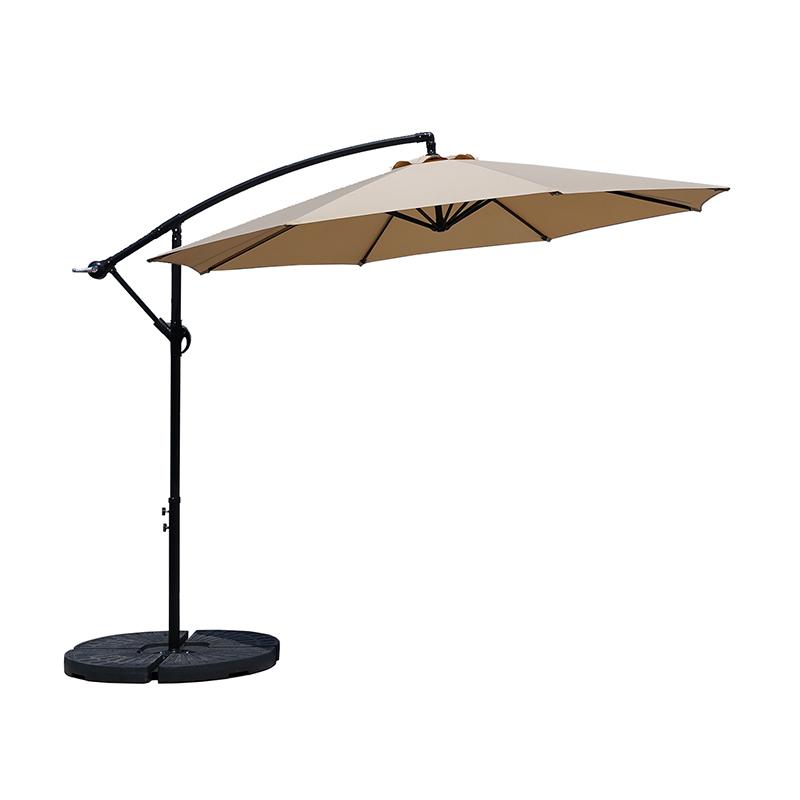
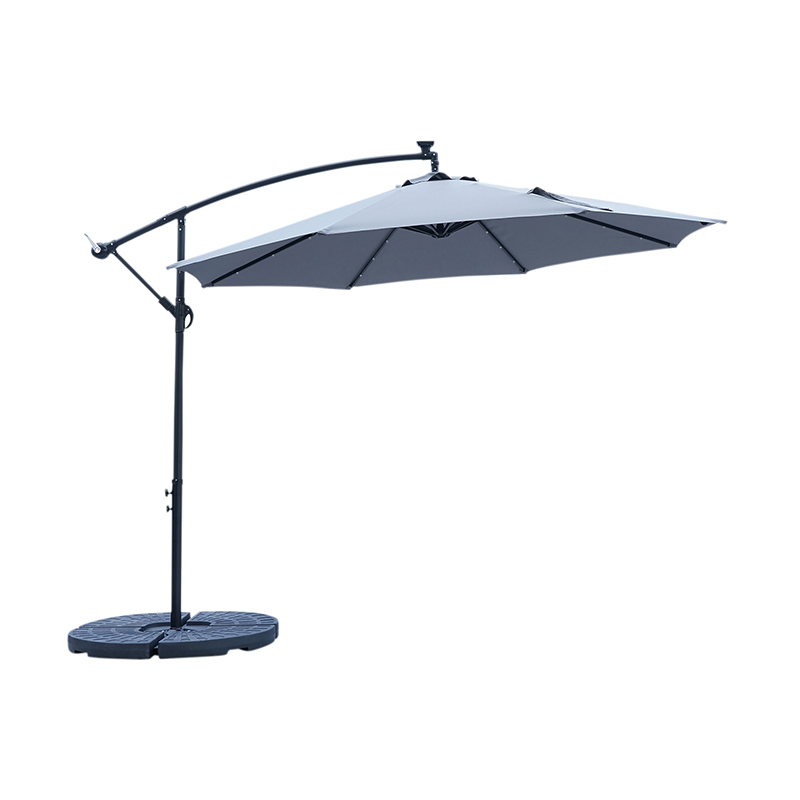
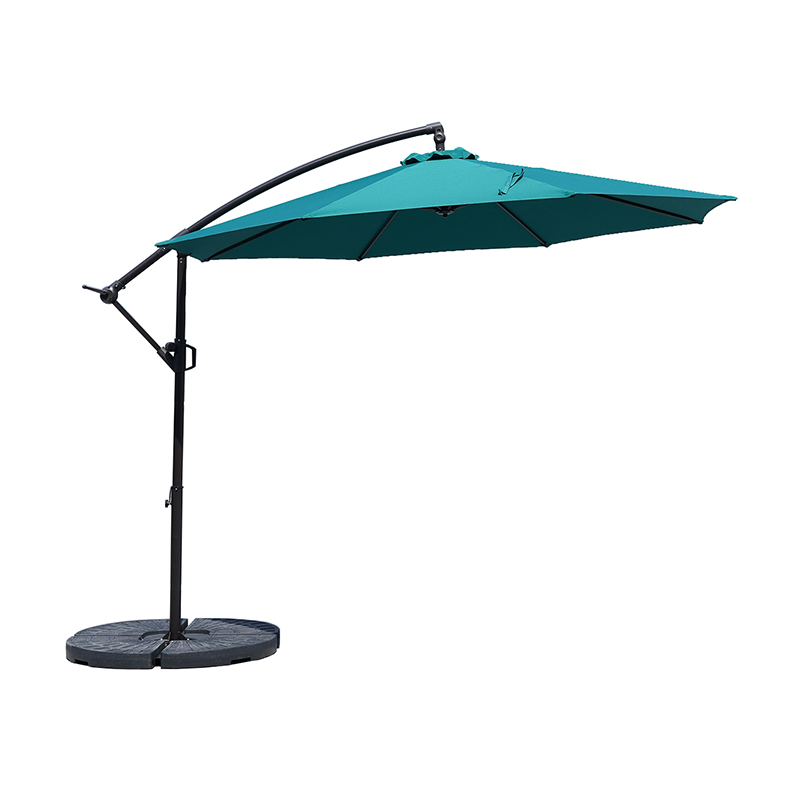
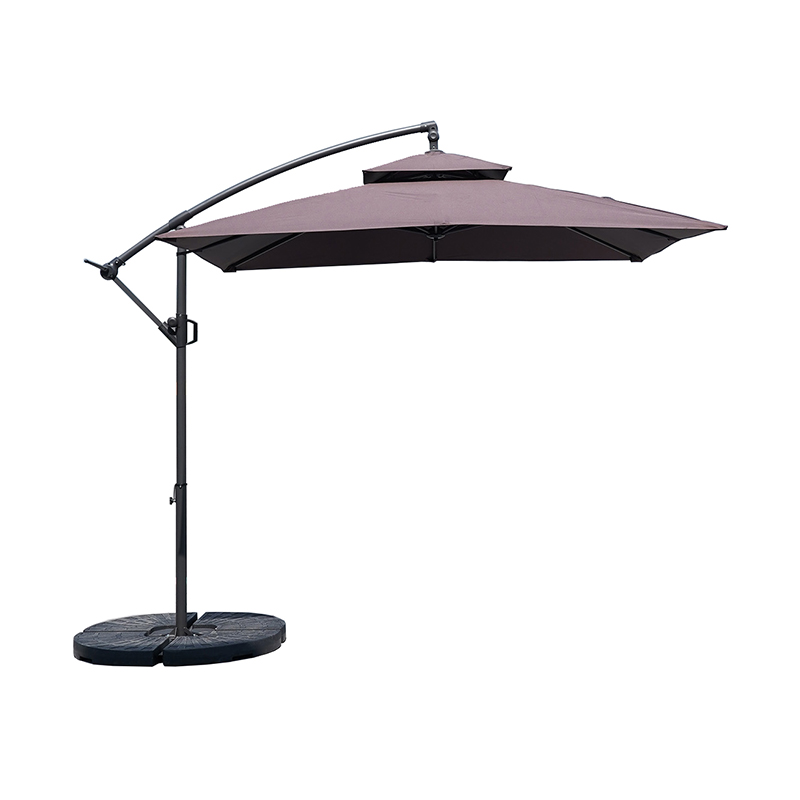
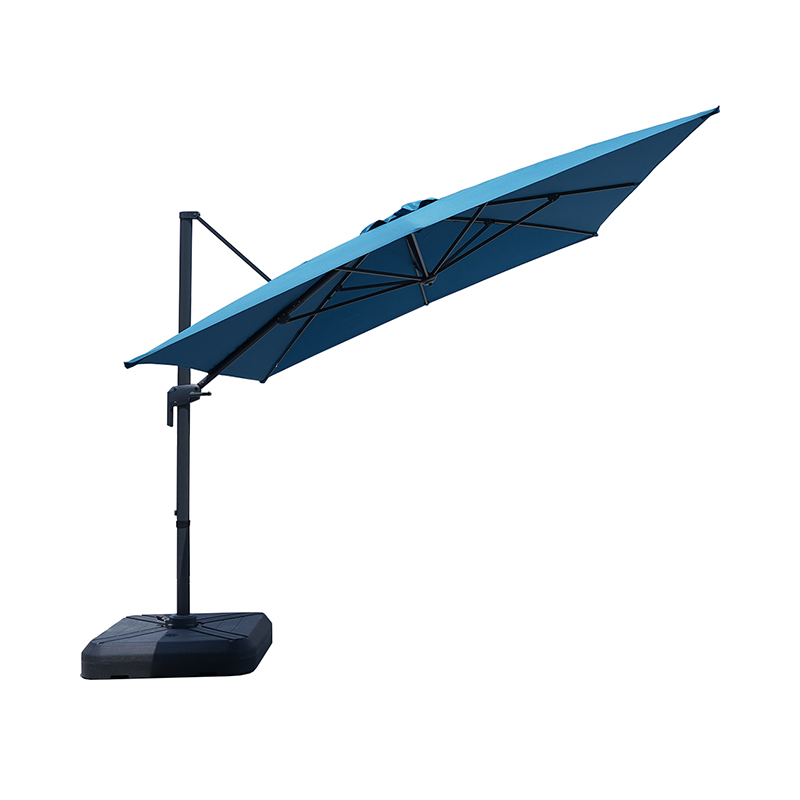
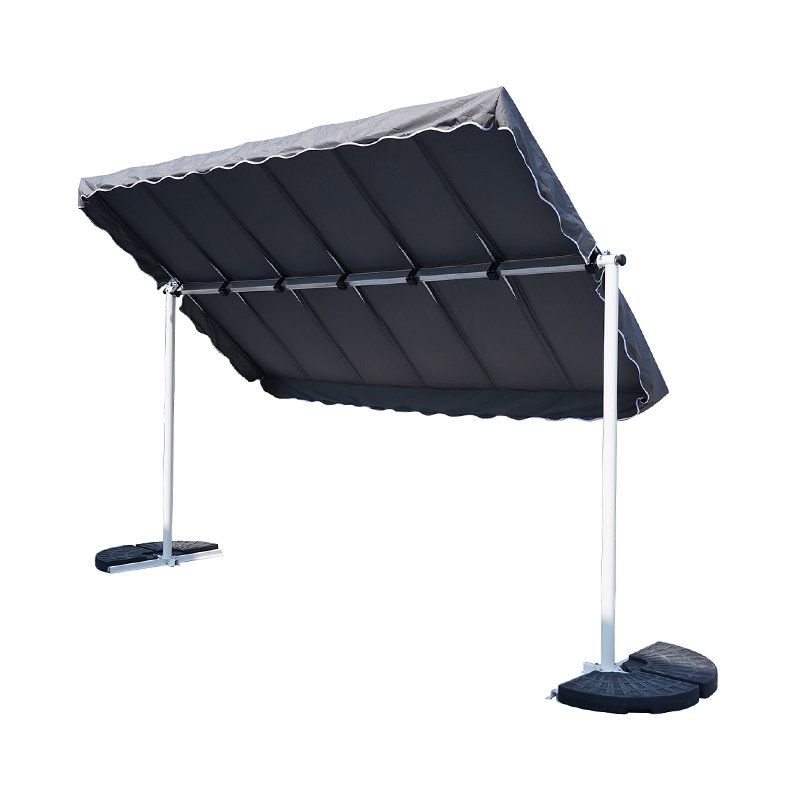
Shipping a cantilever patio umbrella is not as simple as putting it into a large carton. The product contains several parts with very different shapes and weights: a long support pole, offset arms, metal fittings, a fabric canopy and, in some configurations, a heavy base. If these components move around during transportation, scratches, bent connections and damaged fabric can appear before the umbrella even reaches the customer.
For overseas orders, packaging needs to account for container loading, repeated handling, humidity and long transit times. Cantilever Patio Umbrella Manufacturers are increasingly looking at ways to separate components, improve internal protection and reduce unnecessary carton volume without making the packaging difficult to handle.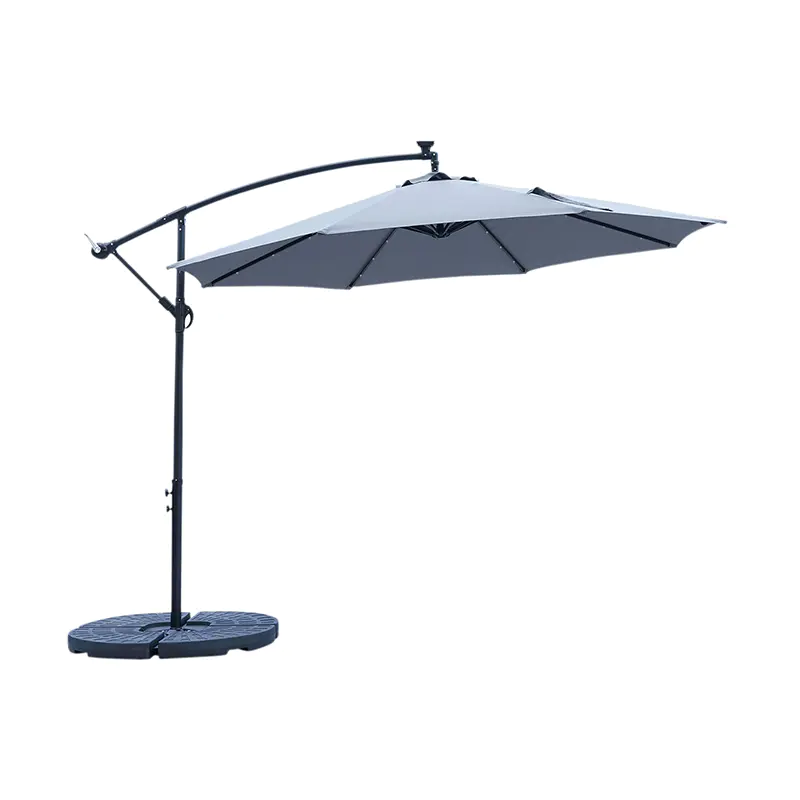
Separate Components According to Their Shape and Weight
Putting an entire cantilever umbrella into one oversized carton is not always practical. The pole, support arms, canopy and hardware have different protection requirements. Packing them together can also allow heavier metal parts to press against the fabric during transportation.
Modular packaging offers a more controlled arrangement. Manufacturers can divide the product into several packages:
Separate cartons also make warehouse handling easier. However, each package should carry the same product or order identification so distributors can identify which components belong to one umbrella set.
Reinforce Cartons Where Damage Is Most Likely
A heavy pole can puncture a carton if it moves during handling. Metal joints may also damage the packaging when cartons are dropped or stacked.
Using thicker corrugated board is one option, but simply increasing carton strength does not solve every problem. The contents must also be restrained so that the load does not concentrate against one corner or panel.
Several packaging materials can help:
| Packaging material | Main function | Suitable components |
|---|---|---|
| Reinforced corrugated cartons | Resist compression and handling damage | Long poles and frame assemblies |
| Molded pulp inserts | Hold components in position | Accessories and smaller hardware |
| Foam corner protectors | Protect vulnerable edges | Metal joints and decorative finishes |
| Fabric sleeves | Reduce abrasion and scratching | Canopies and finished poles |
| Corrugated partitions | Keep components separated | Multi-part umbrella kits |
The insert design should follow the actual shape and weight of each component. A foam sleeve that fits tightly around a pole, for example, can prevent surface scratches, while a partition may be more suitable for separating several metal fittings.
Before adopting a new carton, manufacturers should test the complete package. Drop, vibration and compression tests can reveal whether the pole shifts, the carton collapses under stacking pressure or the canopy becomes damaged during transport.
Protect Metal Parts and Fabric From Moisture
An international shipment may spend weeks in a container, passing through locations with very different temperatures and humidity levels. Condensation can develop inside packaging, particularly when products are packed before they are completely dry.
Metal components may develop corrosion, while damp packaging materials can leave marks on canopy fabric.
A few precautions help reduce these risks. Metal parts should be clean and dry before packing. Suitable protective films or moisture-barrier bags can be used where necessary, and desiccants may be added according to the shipment conditions.
The packing process itself matters. Sealing a damp component inside a plastic bag can trap moisture rather than protect it.
For umbrellas with steel fasteners, aluminum frames or coated metal surfaces, manufacturers should also consider corrosion protection appropriate to the destination climate.
Reduce Carton Volume Without Compressing the Product
Freight charges can be affected by both shipment weight and package dimensions. Long, oversized cartons may use container space inefficiently, while air freight can be particularly sensitive to dimensional weight.
Manufacturers can review the umbrella's component arrangement before finalizing carton dimensions. Detachable support arms, removable accessories and carefully positioned frame sections may allow a more compact package.
Canopies can also be folded using a consistent method to avoid unnecessary bulk. However, excessive compression can leave permanent creases or put pressure on seams and stitching.
When comparing packaging designs, look beyond the carton dimensions. Check:
A smaller carton is only an improvement when the product remains protected. Replacing damaged components or handling customer complaints can quickly eliminate any freight savings.
Use Packaging Materials That Are Easier to Recycle
Packaging waste is another consideration for international buyers, particularly retailers and hospitality groups purchasing umbrellas in large quantities.
Recycled-content corrugated board, molded pulp inserts and paper-based cushioning can replace some conventional plastic packaging. Reusable protective covers may also be suitable for commercial customers who store and reinstall umbrellas across different seasons.
Material substitution needs to be tested rather than assumed to be an improvement. Recycled board still needs enough strength to support the packed product, and paper-based cushioning may require additional moisture protection.
Manufacturers should provide accurate information about recycled content and material specifications instead of using broad environmental claims that cannot be verified.
Make Carton Identification and Assembly Instructions Clear
A distributor receiving an international shipment may have several umbrella sizes, colors and base configurations arriving at the same time. Without clear identification, workers can easily mix accessories or send incomplete sets to installation teams.
Each carton should display the model number, color, package weight, dimensions and relevant handling instructions. For products packed across multiple cartons, use a shared product identifier and sequence numbers such as Carton 1 of 3 and Carton 2 of 3. QR codes can link to assembly videos, spare-part lists and product manuals. This is particularly useful for cantilever models, which may involve several support arms and locking mechanisms.
The instructions should also explain the correct assembly sequence and identify hardware quantities. A distributor should be able to check whether a complete umbrella set has arrived before beginning installation.
Test the Packaging Before Shipping a Full Order
A packaging design that works in the factory may behave differently after repeated loading, unloading and stacking. Before approving a large international order, buyers should request a complete packaging sample and review its carton dimensions, internal protection and assembly documentation.
For larger projects, a trial shipment can reveal problems that are difficult to identify during factory inspection. Bent fittings, loose hardware, moisture marks and damaged carton corners are all worth checking after arrival.
For Cantilever Patio Umbrella Manufacturers, the most useful packaging improvements are those that protect the actual product while making storage, transport and receiving easier. A carefully arranged set of cartons, properly secured components and clear identification can prevent a considerable amount of avoidable trouble once the shipment leaves the factory.
Related Products
Contact Us for More Details
Don't hesitate to contact when you need us!
Contact Information
Add:
No.5-58(Building1&2in factory ) Kongao village, DatianDistrict, Linhai, Zhejiang, China
Phone:
+86-13958586110
Tel:
+86-576-89398116
E-mail:
Product Category
QR Code
Join our community and stay connected

Wholesale Outdoor Parasol Umbrella Factory

 English
 中文简体
 Español