2026-07-31
Outdoor spaces have become a genuine extension of daily life — private gardens, backyard get-togethers, temporary events, weekend markets. A comfortable shaded spot changes how people actually use these areas, especially since weather and layout vary so much from one location to the next.
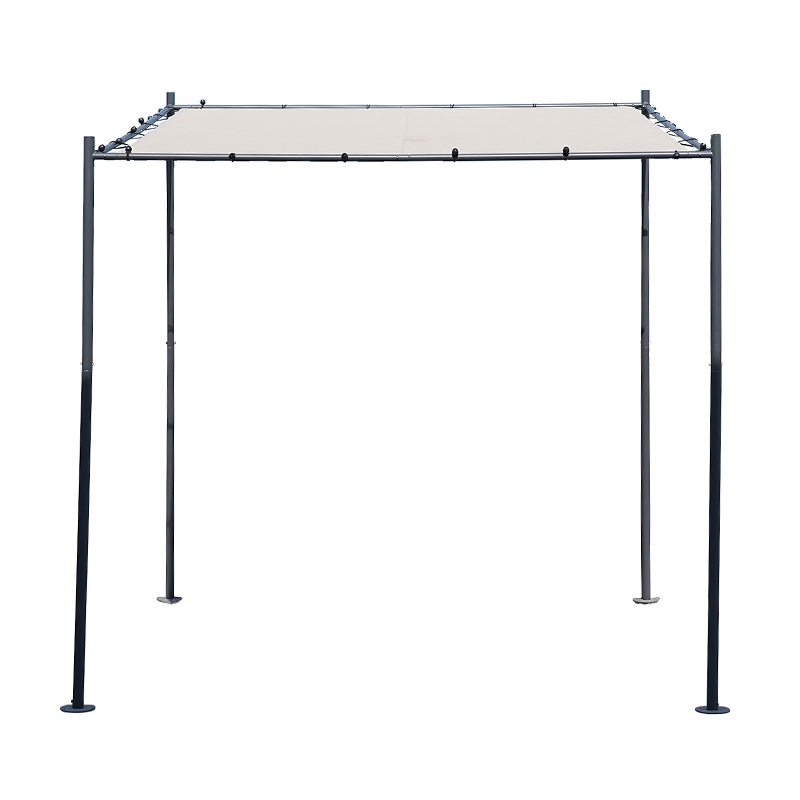
Fixed shade structures work well when a space never changes. Portable options exist for everyone else — situations where needs shift from one week to the next. An umbrella shade tent brings together a genuine shaded structure with the kind of mobility that fixed installations simply can't offer, which makes it a practical way to create outdoor protection without committing to permanent changes.
Picking the right shade solution takes more than a glance at appearance. People weigh installation effort, fabric choice, stability, storage, and how well a given design actually fits their particular outdoor setting. For manufacturers and buyers alike, understanding these details leads to better decisions across both home and commercial use.
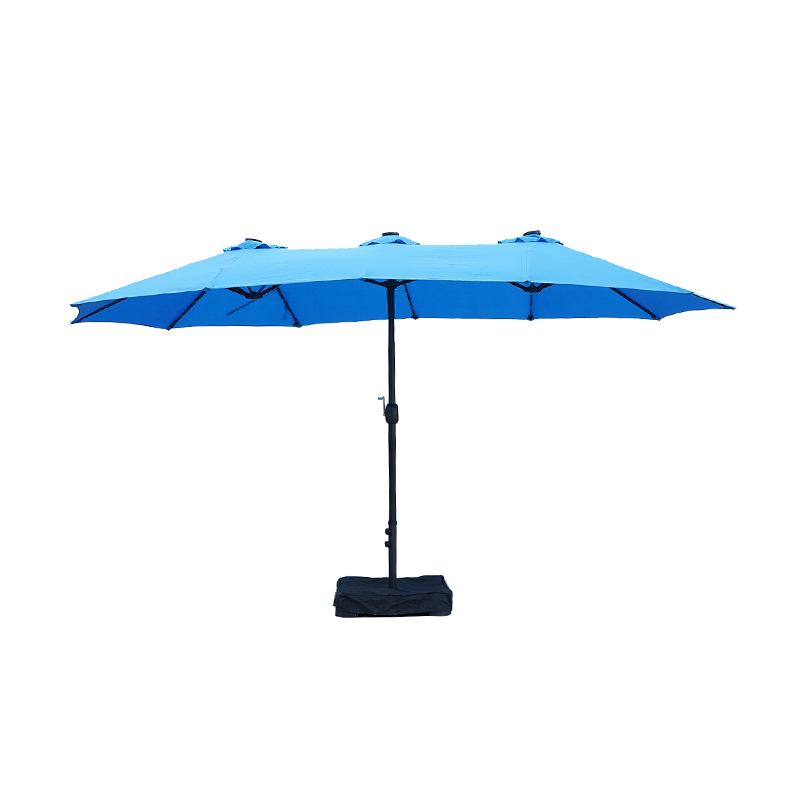
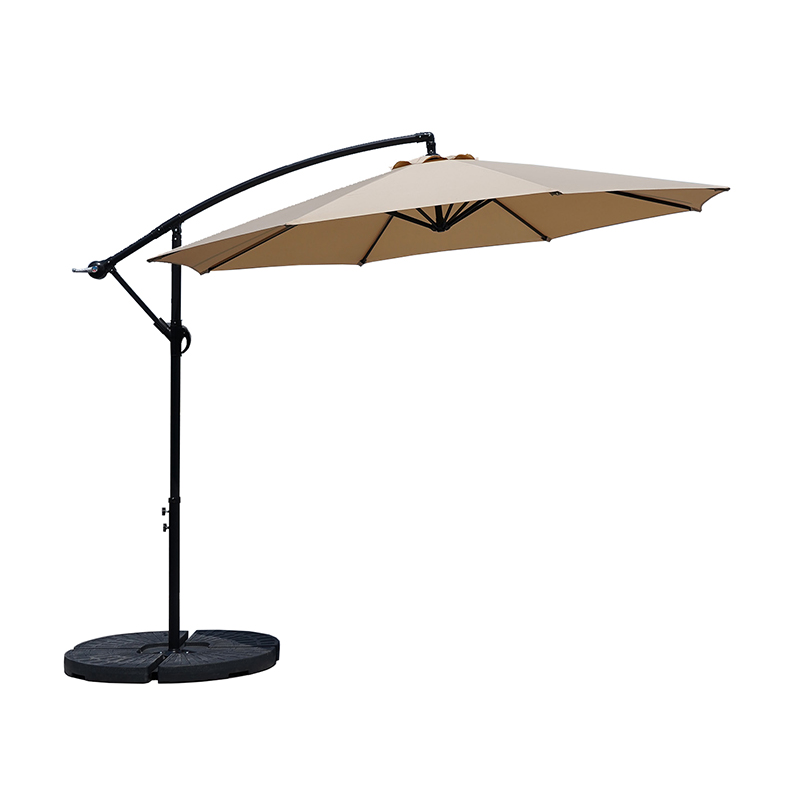
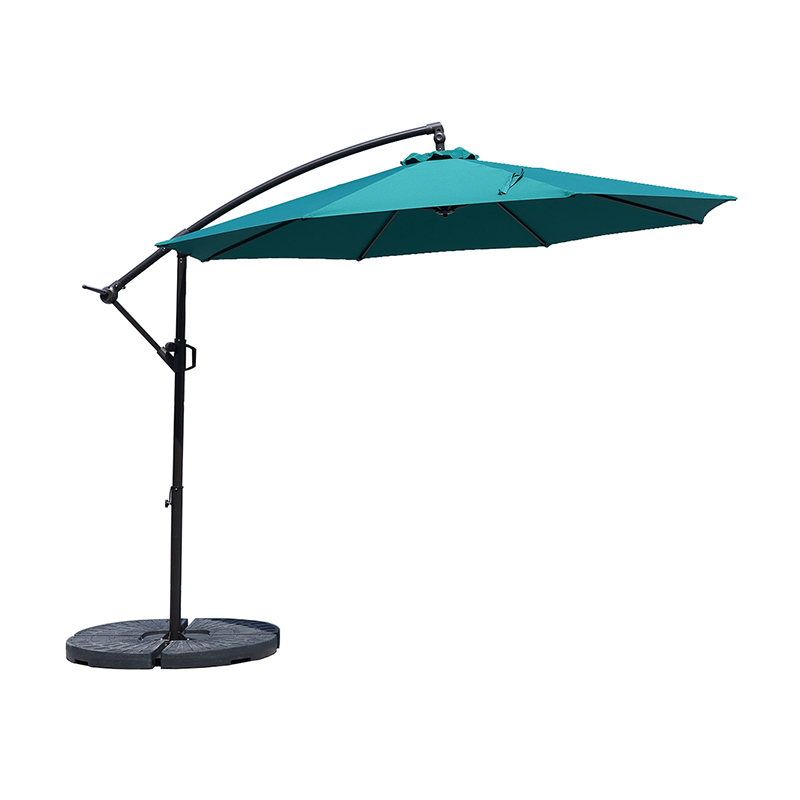
Outdoor umbrellas have been a go-to shade solution for a long time. An umbrella shade tent, though, usually delivers a noticeably different experience, because it's built around creating a wider usable footprint rather than just covering a single spot underneath a pole.
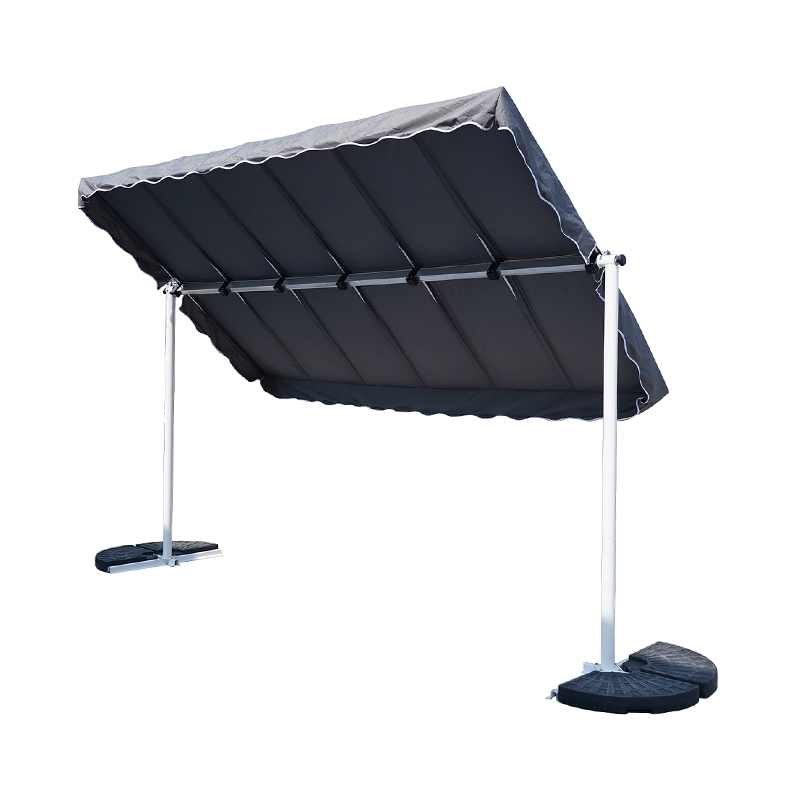
A traditional umbrella works around a central shaft, casting shade directly beneath its canopy and not much beyond that. A shade tent design tends to create a more defined outdoor space instead — room for chairs, a table, or a small activity area to spread out comfortably underneath.
| Feature | Traditional Outdoor Umbrella | Umbrella Shade Tent |
|---|---|---|
| Coverage style | Concentrated shade directly below | Broader coverage across a wider area |
| Typical use | Often set in one fixed spot | Easier to reposition for different needs |
| Space arrangement | Works for simple seating | Better suited to group activity and flexible layouts |
| Storage | Generally a simple fold | May involve a few more organized steps |
There's also a real difference in how the space underneath actually feels. An umbrella shade tent tends to create a more defined gathering spot — somewhere people naturally settle in to relax, chat, or set up an activity — which makes it genuinely useful anywhere shade and a comfortable setting both matter at once.
Design plays a real role in how outdoor shade actually feels day to day. A well-thought-out structure isn't just about how it looks — it's about how people actually move through and use the space underneath it.
Canopy shape, where the openings sit, how the supports are arranged, and how much airflow gets through all shape the comfort level during use. A design that lets air move freely, for instance, can meaningfully cut down on that trapped, stuffy feeling during warmer stretches outdoors.
A few design details tend to matter most in everyday use:
For manufacturers, these small details carry real weight, since outdoor shade products end up serving all kinds of different environments. A design built around how people actually behave outdoors tends to fit more naturally into everyday outdoor routines.
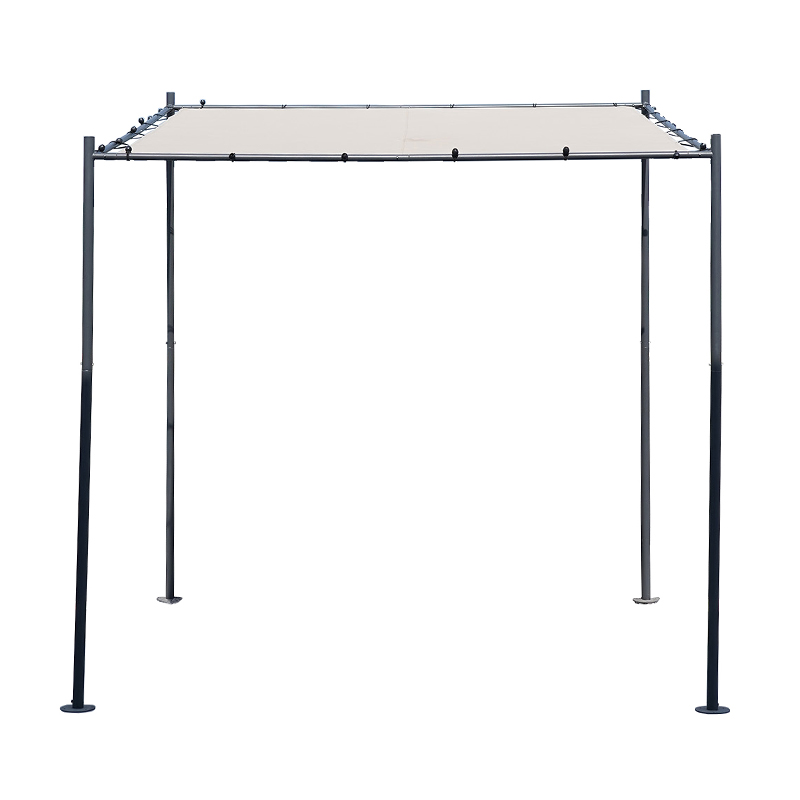
Shade on its own doesn't automatically create a comfortable outdoor space. Air movement plays just as big a role in how people actually feel while spending time underneath any covered structure.
A fully enclosed design can end up trapping heat rather than blocking it. Thoughtful ventilation, on the other hand — open panels, breathable fabric, a canopy shape that lets air pass through naturally — helps keep conditions underneath a lot more balanced.
Good airflow design tends to matter most in spots where people linger for a while, including:
None of this means giving up shade coverage to get better airflow. It's really about striking a workable balance — enough coverage to block direct sun, enough openness to keep fresh air moving through. Manufacturers generally build this balance into product development from the start, since people expect outdoor gear to deliver both protection and genuine comfort at the same time.
The fabric stretched across an umbrella shade tent plays a big role in how it actually performs once it's out in regular use. Different materials behave differently when it comes to cleaning, folding, general appearance, and standing up to outdoor conditions over time.
Buyers weighing fabric options tend to think through a few practical points:
| Material Consideration | Why It Matters |
|---|---|
| Surface upkeep | Shapes how easy the fabric is to clean and maintain |
| Folding flexibility | Affects how convenient storage actually is |
| Weather resistance | Influences how well it holds up outdoors over time |
| Fabric texture | Changes the overall feel of the finished product |
The right canopy fabric really needs to match its intended setting. A structure meant to sit near a garden for extended stretches calls for different fabric priorities than one meant to travel frequently for temporary outdoor use.
For manufacturers, fabric choice isn't purely about looks. It's a balancing act between what users expect, what's realistic to produce, and how the material actually performs once it's out in the field.
Outdoor shade products tend to get mentally filed under "beach trip" or "camping gear," but modern outdoor living has stretched well past those two categories.
An umbrella shade tent fits naturally into all kinds of settings where temporary shade and adaptable space genuinely matter:
The fact that it can be moved and reconfigured easily is exactly what makes it suited to spaces that keep changing. People can set it up wherever shade happens to be needed that day, then pack it away once the space needs to serve a different purpose entirely.
That kind of flexibility is a big reason portable outdoor shade keeps drawing interest from household users and commercial buyers alike.
Choosing the right size really comes down to how a space will actually get used, rather than just measuring the available square footage.
A smaller outdoor corner generally calls for something compact enough to move around easily. A larger gathering space, on the other hand, usually benefits from more coverage to accommodate seating and activity all at once.
Before settling on a size, it helps to think through:
| Usage Situation | What to Prioritize |
|---|---|
| Personal relaxation spot | Comfortable placement, easy repositioning |
| Family outdoor space | Room for seating and activity together |
| Commercial event area | Frequent setup and straightforward organization |
Getting the size right helps avoid wasted, unused coverage while keeping the whole setup genuinely convenient for regular, everyday use.
Outdoor conditions shift quickly, so stability deserves real attention every time an umbrella shade tent gets set up. Careful placement and correct installation go a long way toward keeping the whole experience safer.
A few habits worth building into regular use:
Regular checks also help catch loose parts or fabric wear early, well before they turn into a bigger issue during actual use.
Stability isn't just about how sturdy the structure is on its own, either. Everyday habits, how it's installed, and the surrounding conditions all shape how it actually holds up outdoors.
For businesses sourcing outdoor shade products, picking a supplier takes more than judging the final look of a sample. Production capability, clear communication, and a real understanding of the product all matter just as much.
Worth checking before committing to a supplier:
A solid manufacturing relationship usually starts with clear, upfront communication about exactly what's needed. Suppliers who genuinely understand a buyer's requirements tend to offer solutions that actually fit the outdoor environments they're meant for.
For manufacturers, sharing real product knowledge and design insight helps buyers make more informed choices — and tends to open the door to stronger, more productive partnerships down the line.
An umbrella shade tent earns its place as a flexible outdoor shade option by combining real coverage with genuine mobility — something fixed installations were never designed to offer in the first place. From backyard corners to outdoor markets and community gatherings, its adaptability is exactly what lets it serve so many different settings without demanding permanent changes to the space itself.
Getting the choice right comes down to a handful of practical details working together: sensible design, fabric suited to its setting, dependable airflow, the right size for the space, and steady stability once it's set up. Paying attention to each of these helps turn a simple shade structure into something that genuinely fits the way outdoor spaces actually get used, day after day.
Related Products
Contact Us for More Details
Don't hesitate to contact when you need us!
Contact Information
Add:
No.5-58(Building1&2in factory ) Kongao village, DatianDistrict, Linhai, Zhejiang, China
Phone:
+86-13958586110
Tel:
+86-576-89398116
E-mail:
Product Category
QR Code
Join our community and stay connected

Wholesale Outdoor Parasol Umbrella Factory

 English
 中文简体
中文简体
 Español