2026-08-07
Picking out an outdoor shade solution really involves more than just blocking sunlight. The layout of the space, where furniture sits, what materials are used, how the whole structure operates day to day — all of it shapes the actual experience once the product's in place. For homeowners, restaurants, hotels, and anyone designing outdoor spaces, landing on the right shade equipment takes a real understanding of how different designs actually behave.
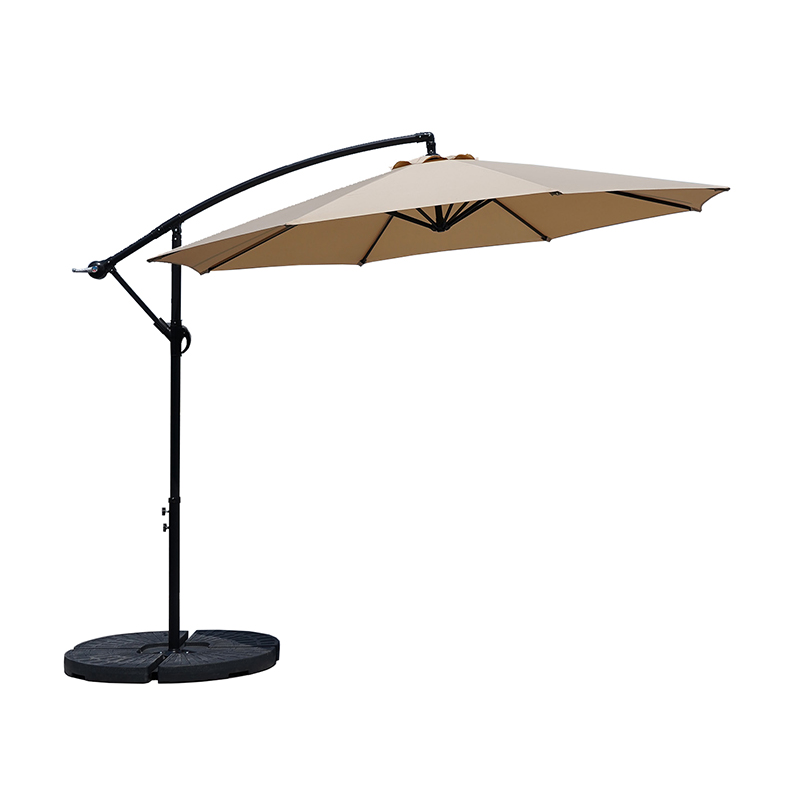
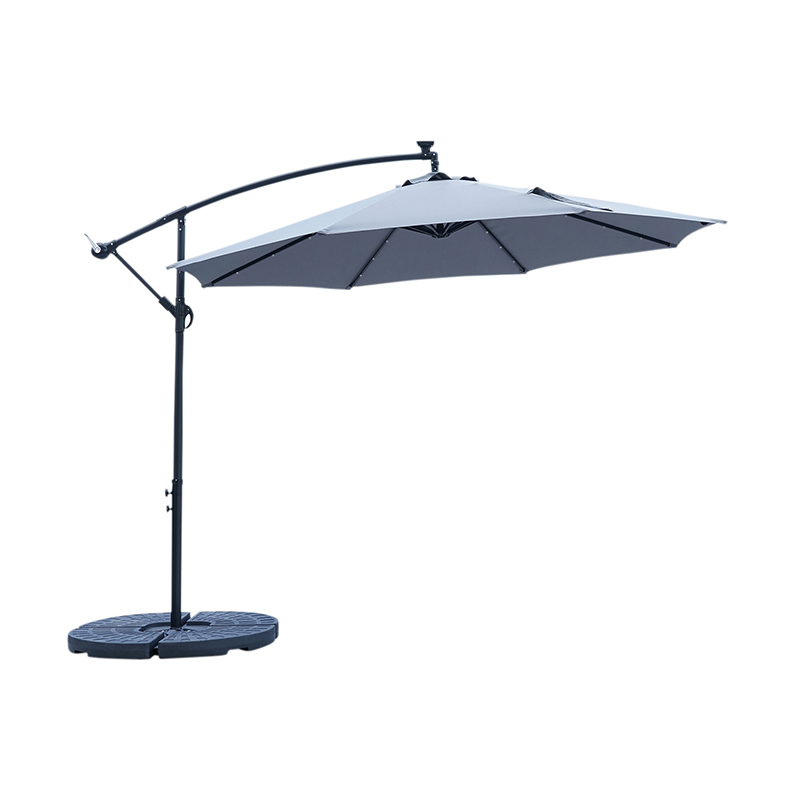
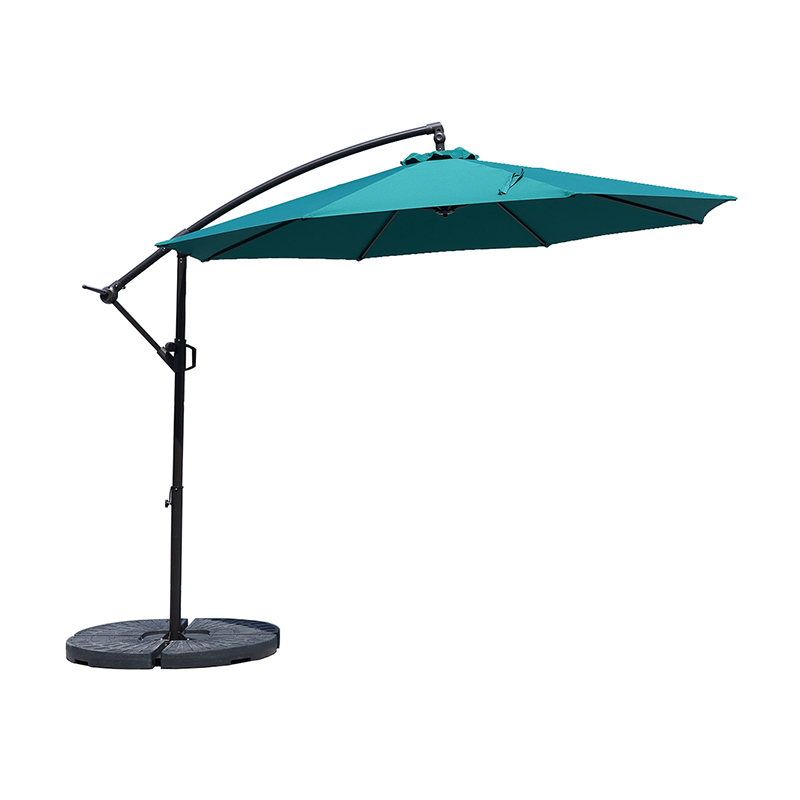
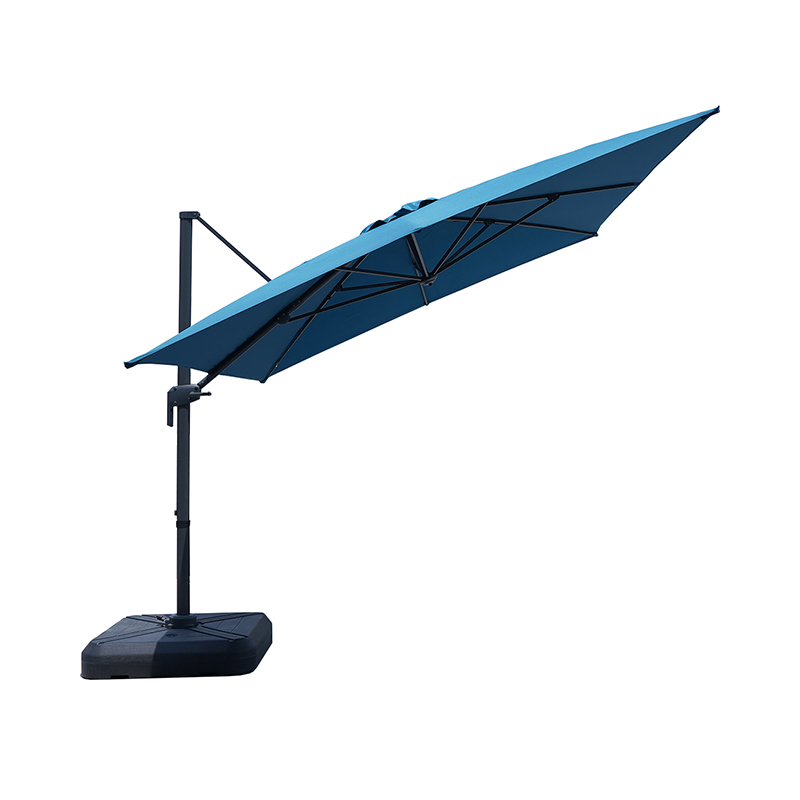
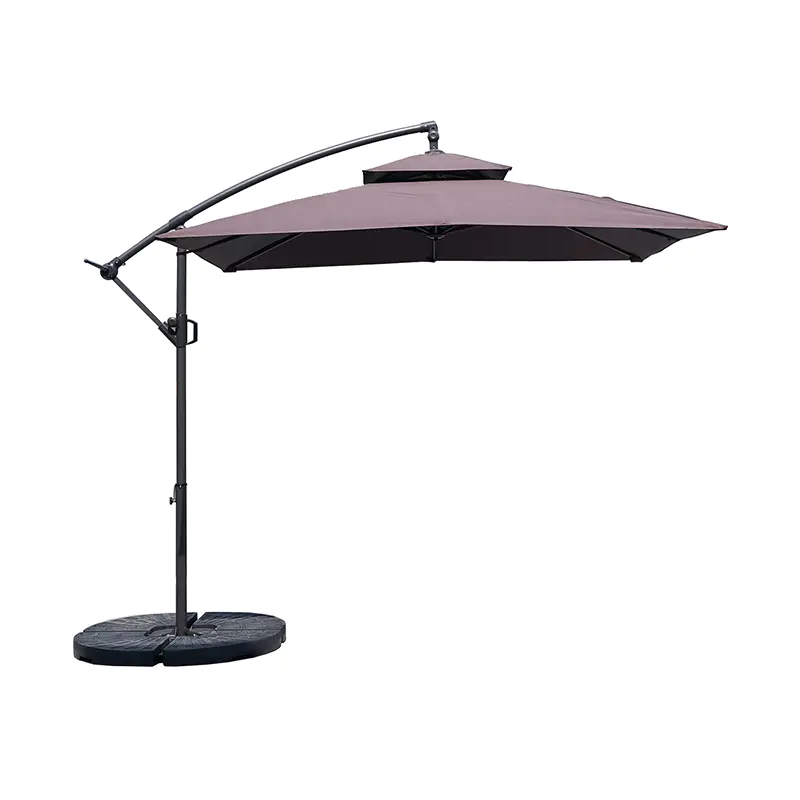
An Outdoor Cantilever Parasol has turned into a fairly common pick for areas where people want open space underneath the canopy. Unlike traditional patio umbrellas that plant the pole right in the middle, this side-support approach lets tables, chairs, and activity zones stay a lot more flexible. That said, landing on a suitable model takes attention across several details — frame structure, fabric choice, and how much upkeep it'll actually need down the road.
Before buying, it's worth taking a closer look at how this type of parasol actually works, where it fits into different environments, and what factors tend to affect it over the long haul. Getting a grip on these points helps buyers decide based on what they actually need, rather than just how something looks in a photo.
The defining trait of this shade structure really comes down to where its support system sits. Traditional patio umbrellas usually plant the pole directly under the canopy, which can cramp furniture arrangement quite a bit. A side support design moves that pole off to the edge of the shaded area, opening things up underneath.
The working principle leans on a balanced frame system. The pole holds up the arm that reaches outward, while the ribs connected to the canopy help keep the cover's shape intact. As users adjust angle or direction, the structure lets the shaded area shift along with changing outdoor conditions.
This kind of design tends to work especially well in spaces where people need room to move around. An outdoor dining table, for instance, can stay completely free of a central pole, which makes arranging seating a lot less of a puzzle.
| Structure Part | Main Function |
|---|---|
| Side pole | Supports the overall frame position |
| Extended arm | Holds the canopy away from the support point |
| Canopy | Provides shade coverage for outdoor areas |
| Ribs and connectors | Help maintain the canopy shape |
This flexible layout is a big part of why so many outdoor spaces gravitate toward this style of parasol. It pairs shade coverage with a cleaner overall arrangement, letting furniture and walking paths get planned with a lot more freedom.
That said, stability here really doesn't hinge on any single part. The pole, the arm, the ribs, the base — they all lean on each other. A genuinely well-planned Outdoor Cantilever Parasol design accounts for how these pieces interact once it's actually being used day after day.
Both products deliver outdoor shade, sure, but their structures create pretty different experiences for the people using them. A regular patio umbrella usually needs either a central opening cut through a table or a fixed spot where the pole can stand upright. A cantilever design shifts that support off to the side of the shaded area instead, which changes how the surrounding space gets used.
The difference here isn't purely cosmetic. It genuinely shapes how people move through and use the area.
| Feature | Traditional Patio Umbrella | Cantilever Design |
|---|---|---|
| Pole position | Center area | Side area |
| Furniture arrangement | May require a fixed position | Allows more flexible placement |
| Shade adjustment | Depends on fixed setup | Often allows directional adjustment |
| Suitable spaces | Small seating areas | Open outdoor layouts |
For small balconies, garden corners, poolside spots, or commercial outdoor areas, the right pick really comes down to the layout already in place. A central pole design can work fine when furniture's already settled into a fixed arrangement, while a side support structure tends to offer a lot more breathing room when the space needs to stay open.
Buyers really ought to think through how they actually plan to use the space, rather than picking based on looks alone. A shade solution should genuinely fit how people move, sit, eat, and relax outdoors.
Picking out shade equipment brings up a handful of practical questions worth working through. Before buying, it's worth thinking about where the product's actually going, how often it'll get used, and what kind of environment surrounds it.
Factors worth weighing tend to include:
The surrounding environment really matters here. A parasol sitting beside a dining area might call for different considerations than one installed near a garden lounge. Where sunlight falls throughout the day, nearby walls, furniture height — all of it feeds into the final choice.
Daily operation's another point worth thinking through. Some users lean toward simple opening systems for frequent use, while others care more about a fixed installation suited to one particular spot.
A genuinely suitable choice comes from matching product features against real usage habits. Rather than fixating on one feature in isolation, buyers can look at the whole relationship between the parasol and the space it's going into.
Size selection ties closely into how the space itself is laid out. A canopy that doesn't match its surroundings can throw off both appearance and everyday usability.
For a smaller seating corner, a compact design might offer plenty of shade without making the area feel cramped. Larger outdoor spaces might call for a wider canopy to properly cover dining tables or relaxation zones.
Before settling on a size, it's worth thinking through:
The relationship between canopy size and furniture placement genuinely matters. An outdoor table needs enough shaded space wrapped around the seating, while a narrow balcony might need a design that fits comfortably within tighter surroundings.
Working out the installation space ahead of time can head off problems once the parasol's actually in use. The right size really isn't about grabbing the biggest cover available — it's about finding a balanced fit between the product and the space around it.
Outdoor products deal with shifting conditions constantly, so material choice really shapes appearance, upkeep, and everyday performance.
The frame and canopy tend to call for different material thinking altogether. The frame needs to hold up under movement and structural load, while the fabric needs to handle whatever outdoor exposure comes its way.
| Component | Common Material Choices | Considerations |
|---|---|---|
| Frame | Aluminum, steel, other metal options | Weight, structure, surface treatment |
| Canopy fabric | Polyester, solution-dyed fabrics, outdoor textiles | Color stability, cleaning needs, texture |
Aluminum frames tend to get picked often because they're lightweight and generally hold up well outdoors. Steel structures can offer a different balance of strength versus weight, depending on how the design's put together.
For canopy fabric, people usually think through cleaning convenience, appearance, and how well it stands up to outdoor conditions over time. Different fabrics can bring different visual effects along with different maintenance demands.
For manufacturers, getting materials to match well is a genuinely important part of developing an Outdoor Cantilever Parasol. The frame, fabric, and connecting hardware all need to function as one coherent system, rather than getting picked separately without much thought to how they'll work together.
The frame structure shapes how the parasol actually feels to operate day to day. A well-thought-out structure lets users open, close, and adjust the canopy smoothly, without much fuss.
A few parts shape the overall experience:
Balance between these different components matters, since the canopy generates different forces during movement and everyday outdoor use. The frame needs to hold up under all that while staying convenient enough for people to actually use without hassle.
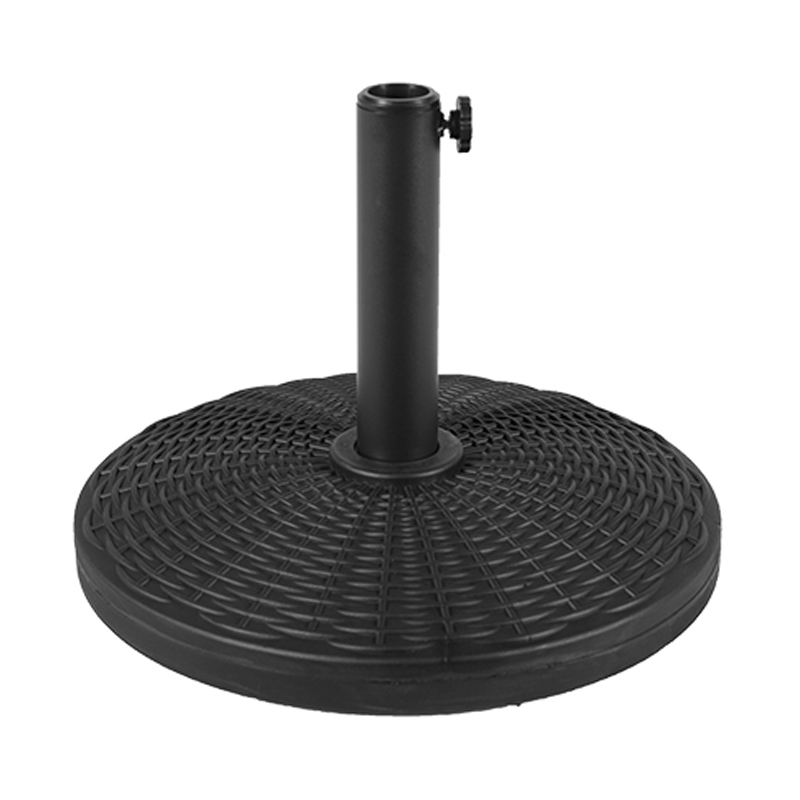
The base plays a genuinely important role too. A suitable base should match the size and design of the parasol sitting on top of it. The installation surface and whatever's around it are worth thinking through as well.
When picking a product, buyers can pay attention to how the structure's actually put together and maintained. Clear construction details tend to help users get a real sense of whether the product fits what they need.
Regular care can help outdoor products hold onto their appearance and function over time. Maintenance here really doesn't demand complicated steps — a few simple habits go a long way toward making daily use easier.
Common maintenance practices tend to include:
Weather conditions can chip away at outdoor furniture and shade products over time. Rain, dust, fallen leaves, lingering moisture — ignored long enough, all of it can affect both fabric and frame.
Cleaning methods should really follow whatever the material calls for. Harsh cleaning products can affect certain fabrics or surface finishes, so gentler care tends to be the safer route.
Proper storage matters just as much. When outdoor spaces sit unused for stretches of time, keeping the parasol shielded from unnecessary exposure can help cut down on wear.
Commercial outdoor areas tend to carry different requirements compared to residential spaces. Restaurants, hotels, event venues — they usually need shade solutions that work with customer flow, seating layouts, and the broader design of the space.
When picking products for business use, buyers might think through:
For restaurants, where tables and chairs actually sit is a genuinely important factor. A side support design can help open up the dining environment without a pole sitting smack in the middle of the seating area.
Hotels and hospitality spaces often care about building comfortable outdoor zones where guests can genuinely unwind. The Outdoor Cantilever Parasol design should work in step with the surrounding furniture, landscaping, and architectural style already in place.
For commercial buyers, working with a reliable manufacturer matters just as much as the product itself. Clear communication around size, materials, colors, and customization options helps produce something that actually fits different project requirements.
Choosing outdoor shade equipment really comes down to weighing design, function, and practical everyday use all together. Thinking through these elements as a whole helps buyers land on a solution that genuinely fits their particular space.
Related Products
Contact Us for More Details
Don't hesitate to contact when you need us!
Contact Information
Add:
No.5-58(Building1&2in factory ) Kongao village, DatianDistrict, Linhai, Zhejiang, China
Phone:
+86-13958586110
Tel:
+86-576-89398116
E-mail:
Product Category
QR Code
Join our community and stay connected

Wholesale Outdoor Parasol Umbrella Factory

 English
 中文简体
中文简体
 Español