2026-06-19
Outdoor shading equipment is usually judged through how it behaves during repeated use rather than how it is described in specification sheets. Movement feel, structural response, and how the system reacts under small environmental changes often become the real reference points.
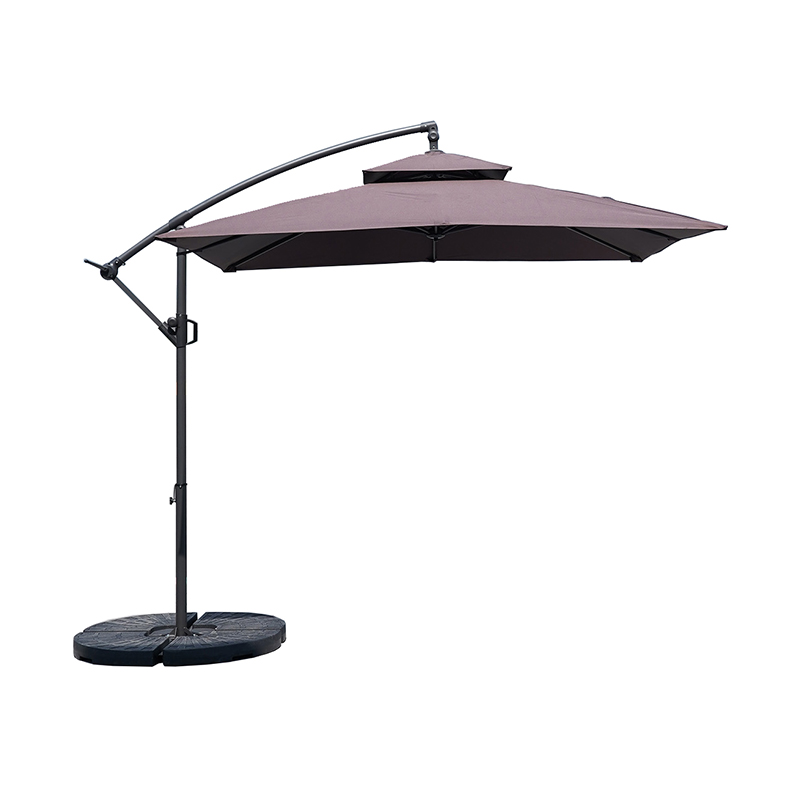
A Crank Lift Umbrella sits in this category of products where mechanical assistance changes the way users interact with the structure. Instead of direct lifting, motion is distributed through an internal path that connects handle rotation with canopy movement. The result is not only about convenience but also about how force is managed across components over time.
In real use environments, small details such as handle position, resistance shift, or frame alignment tend to matter more than appearance. These details are usually noticed gradually rather than immediately.
Opening systems for outdoor umbrellas generally fall into two patterns: direct lifting or assisted rotation. A Crank Lift Umbrella belongs to the second category, where motion is converted rather than applied directly.
That shift changes how users interact with the product. The movement becomes incremental instead of instantaneous, and the force is distributed through mechanical parts instead of being concentrated in one direction.
In practical environments, this difference shows up in small behaviors:
There is also a noticeable difference in how users adjust the canopy during the day. In setups where shade position is changed multiple times, rotational systems tend to reduce physical repetition, even if the motion distance remains the same.
| Opening Approach | Interaction Type | Motion Character | Practical Context |
|---|---|---|---|
| Direct lift | Vertical push | Immediate response | Occasional adjustment |
| Crank system | Rotational input | Controlled gradual movement | Repeated daily use |
The distinction is less about complexity and more about how movement is experienced over time.
Inside a Crank Lift Umbrella, the mechanism is built around motion conversion. A rotating handle drives internal components that translate circular movement into upward or downward canopy travel.
The structure is usually arranged in a linear chain:
The movement itself feels steady rather than abrupt. That is mainly because force is transferred gradually through multiple contact points instead of a single lifting action.
One detail often overlooked is how canopy size affects internal load. Larger surface areas increase resistance during operation, which changes how smooth the rotation feels even when the mechanism itself remains unchanged.
Before selecting this type of system, a few practical considerations tend to matter more than design appearance:
These are not abstract points. They directly affect whether the motion system feels consistent in real use conditions.
Resistance during operation is rarely uniform. In a Crank Lift Umbrella, the force required to rotate the handle changes as the canopy moves through different positions.
The pattern is not random. It usually follows how structural load shifts across the frame.
At early movement stage, canopy tension is still low. The system feels lighter because fewer structural points are fully engaged. As the canopy extends, more ribs and support elements begin carrying load simultaneously.
A simple breakdown helps visualize it:
Slight resistance, minimal structural load
Increasing resistance as frame expands
Higher resistance due to combined tension across ribs and fabric
This variation often reflects normal load transfer behavior rather than mechanical inconsistency.
However, when resistance becomes uneven or feels inconsistent between cycles, it can suggest friction buildup or uneven load distribution inside the transfer system. In practical settings, users tend to notice this gradually rather than immediately.
Stability in outdoor shading structures is rarely controlled by a single component. It is the result of several structural elements working together under changing external force.
For a Crank Lift Umbrella, stability behavior is shaped by a combination of design and installation conditions.
Key contributing factors include:
Determines how force is distributed across canopy ribs
Influences how movement stress travels through the structure
Allow airflow to pass rather than accumulate pressure underneath
Acts as the final balancing point between structure and ground contact
Wind does not apply force evenly. It often shifts direction and intensity in short intervals, which means stability is more about response behavior than fixed resistance.
In some environments, slight movement is expected rather than rigid stillness. The structure absorbs part of the force and redistributes it through the frame instead of blocking it completely.
Canopy material is usually treated as a visual choice, but in outdoor use it behaves more like a functional layer that constantly interacts with light and air. In a Crank Lift Umbrella setup, this layer decides how the shaded space actually feels during long exposure.
Tighter fabric construction tends to cut direct sunlight more consistently, though it also makes the space feel visually heavier. Looser weaves let more ambient light pass through, which changes the brightness under the canopy. The effect is not only about shade level, it also influences how heat builds up over time.
Ventilation openings at the upper section change the airflow pattern in a more subtle way. Instead of trapping warm air under the canopy, they allow it to move upward and escape. Without this path, air tends to stay still, especially in low-wind conditions.
In practice, these elements rarely act alone. They overlap and shift how the shaded area feels depending on weather and time of day.
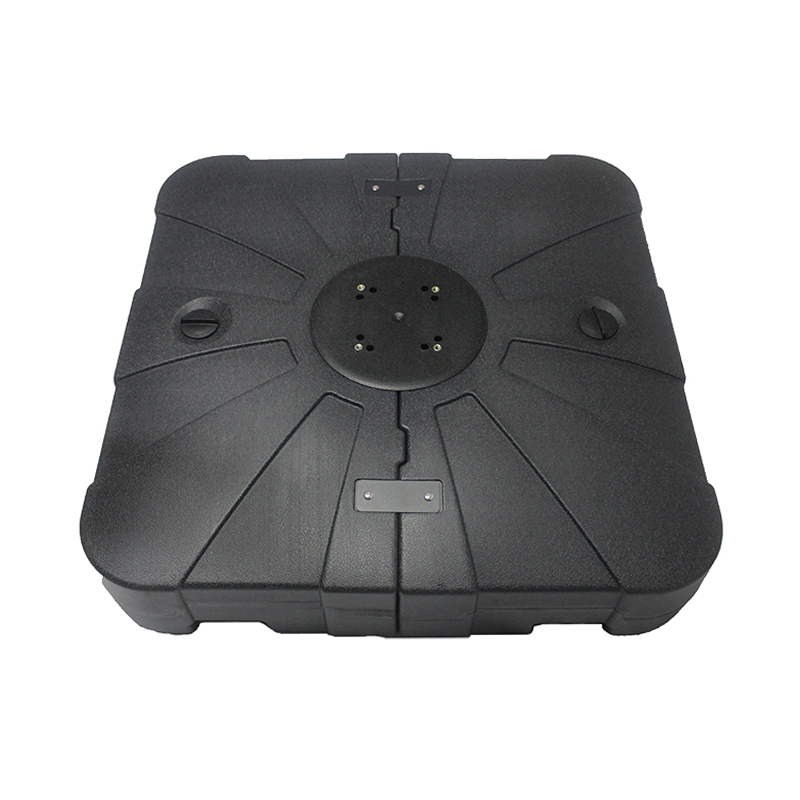
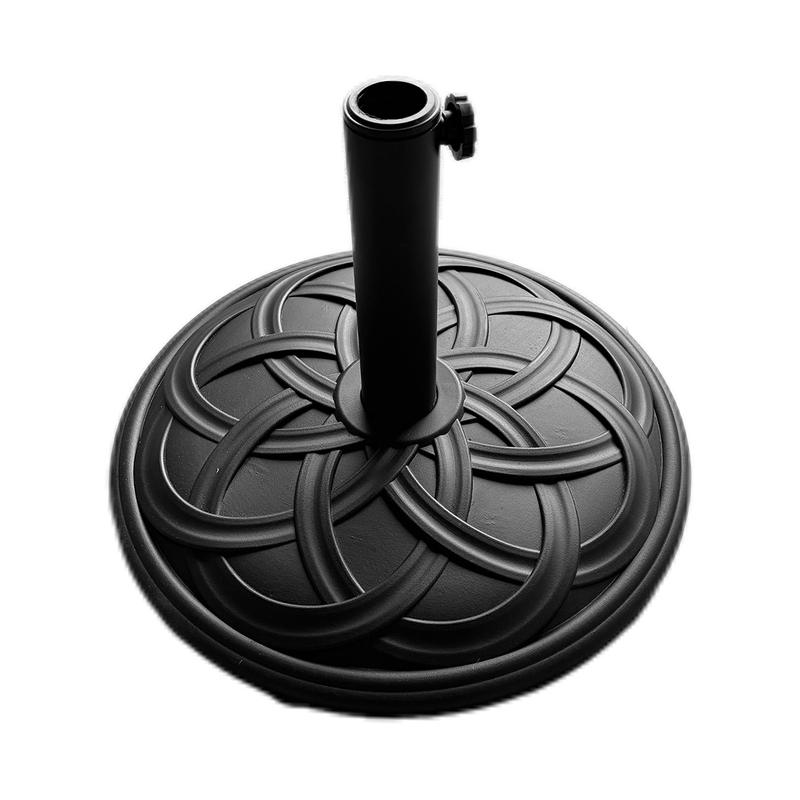
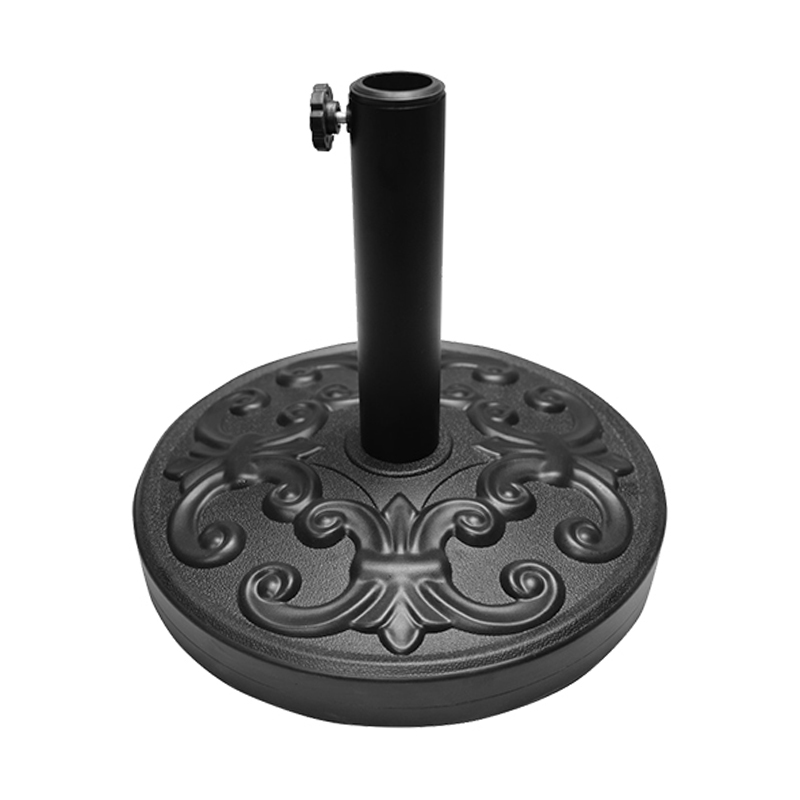
Base choice is often underestimated because it looks like a separate accessory, but it directly affects how the whole structure behaves once installed. A Crank Lift Umbrella transfers wind load down the pole, and the base is what keeps that force from turning into movement.
The same umbrella can feel stable in one setting and slightly unsteady in another, mainly because the ground condition and surrounding space change how force is absorbed.
A simple way to think about pairing is to look at how space and exposure interact.
| Umbrella setup condition | How force tends to behave | What base role becomes | What is usually noticed |
|---|---|---|---|
| Compact shaded area | Limited side pressure | Light anchoring role | Mostly steady position |
| Open patio space | Noticeable side movement | Balanced grounding | Mild sway in changing air |
| Wide exposed area | Irregular wind direction | Stronger holding demand | Movement becomes easier to notice |
It is less about strict calculation and more about matching how the environment actually pushes against the structure.
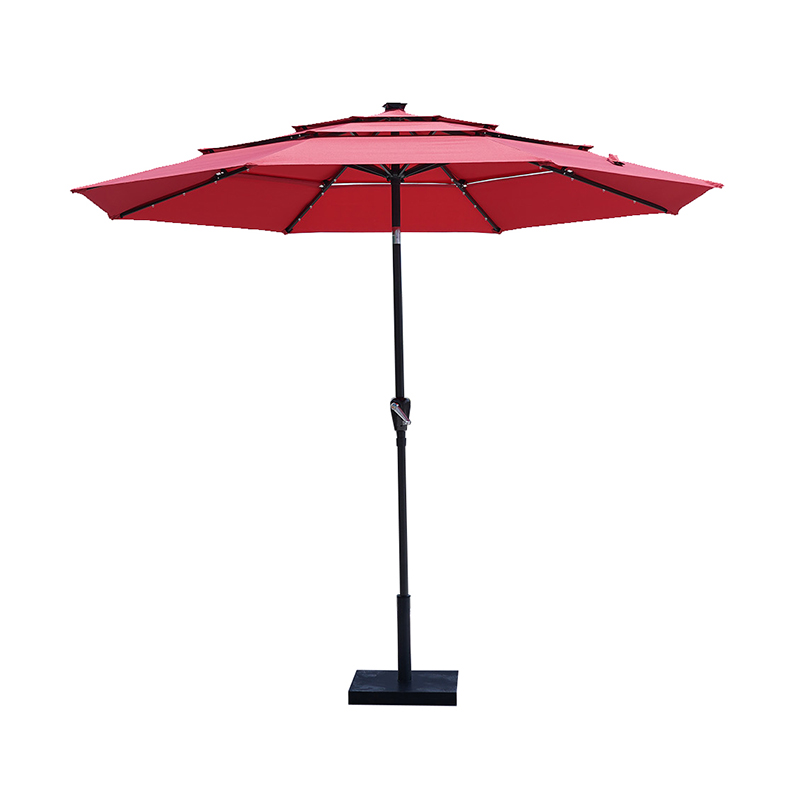
With repeated use, mechanical systems rarely stay exactly the same. In a Crank Lift Umbrella, the handle rotation depends on several internal contact points, and small changes in those points slowly affect how the motion feels.
Dust is usually the first factor. It settles in small gaps and adds friction that is not visible but can be felt as slightly heavier turning. Moisture can also play a role, especially when parts dry unevenly after rain or humidity exposure.
There is also the natural effect of repeated load. Certain internal sections end up carrying more movement stress than others, and over time this can shift the smoothness of rotation.
What users often notice is not a sudden change but a gradual shift:
Keeping the movement path clean and checking obvious friction points from time to time is usually enough to slow down this change. The goal is not to modify the structure, just to keep the movement path clear enough for consistent operation.
Outdoor conditions rarely act in isolation. They overlap and affect different parts of a Crank Lift Umbrella in different ways, sometimes at the same time.
Sun exposure slowly changes how fabric behaves. The surface can become slightly less flexible after long periods of direct light, and the change is usually uneven depending on which side receives more exposure.
Wind has a different effect because it is not constant. It comes in shifts, which means the structure is repeatedly pushed in different directions. This repeated movement is what gradually influences joints and connection points.
Rain introduces moisture into both visible and less visible areas. If drying is not uniform, some parts may hold moisture longer than others, which can subtly affect movement feel later on.
Dust and fine particles tend to settle into small gaps. Over time, they can create extra resistance in moving sections, especially in mechanical parts connected to the lifting system.
These influences can be viewed together rather than separately:
None of these factors acts instantly. They build up through repeated exposure, and that is usually where long term performance differences come from.
Related Products
Contact Us for More Details
Don't hesitate to contact when you need us!
Contact Information
Add:
No.5-58(Building1&2in factory ) Kongao village, DatianDistrict, Linhai, Zhejiang, China
Phone:
+86-13958586110
Tel:
+86-576-89398116
E-mail:
Product Category
QR Code
Join our community and stay connected

Wholesale Outdoor Parasol Umbrella Factory

 English
 中文简体
中文简体
 Español