2026-06-26
Outdoor seating areas change quickly with weather, layout, and daily use. A shade product is never judged by appearance alone. It needs to fit the space, stay steady, handle changing light, and keep working without asking for constant attention.
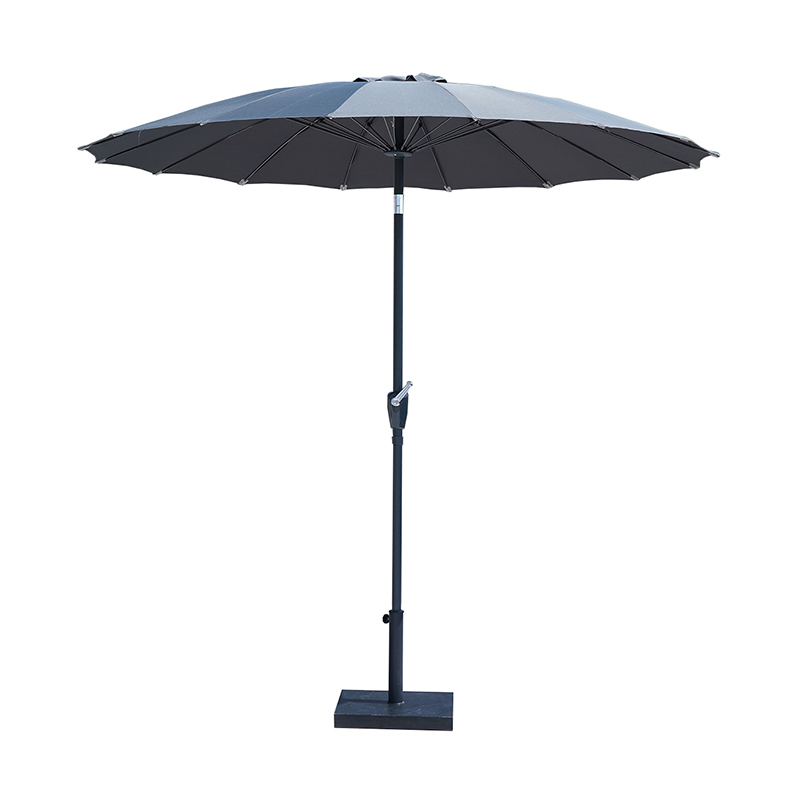
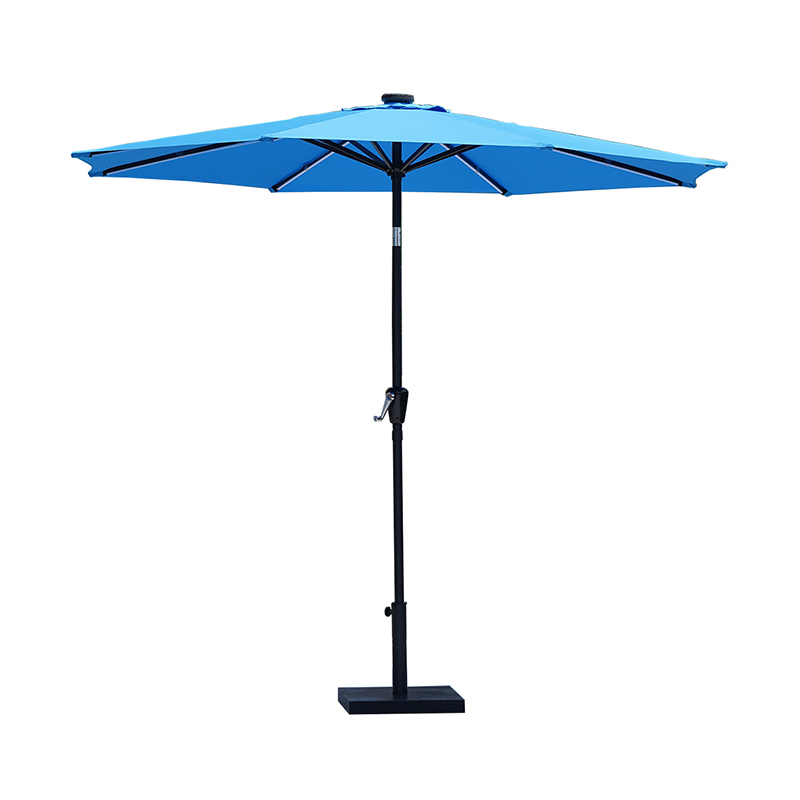
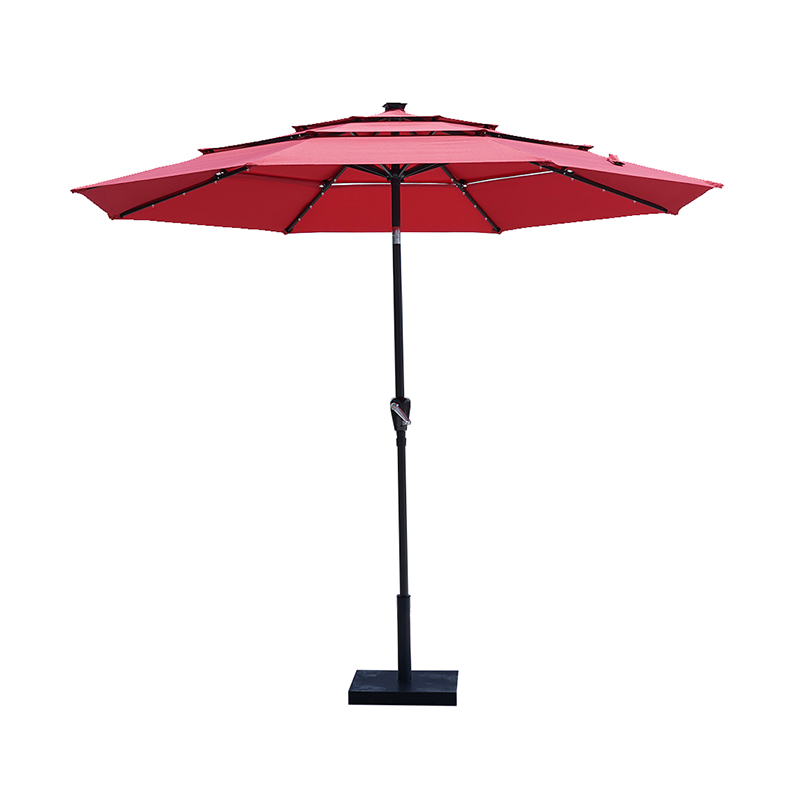
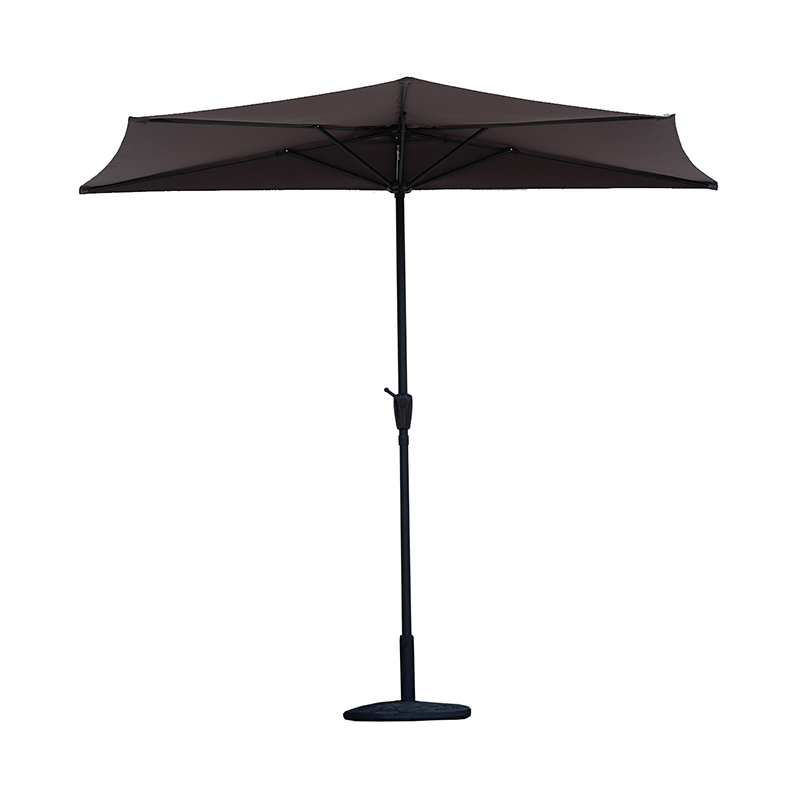
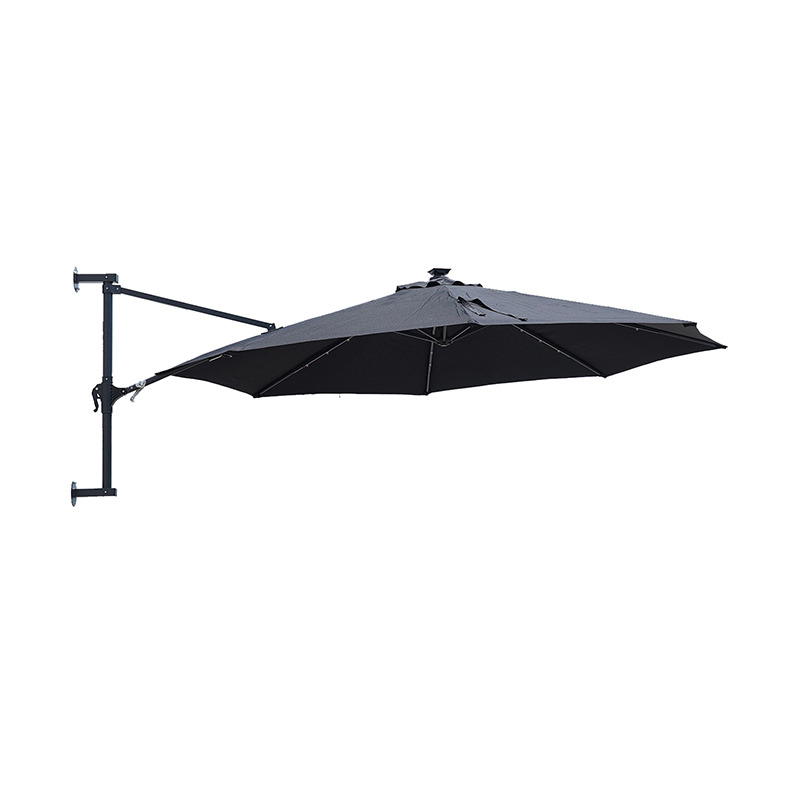
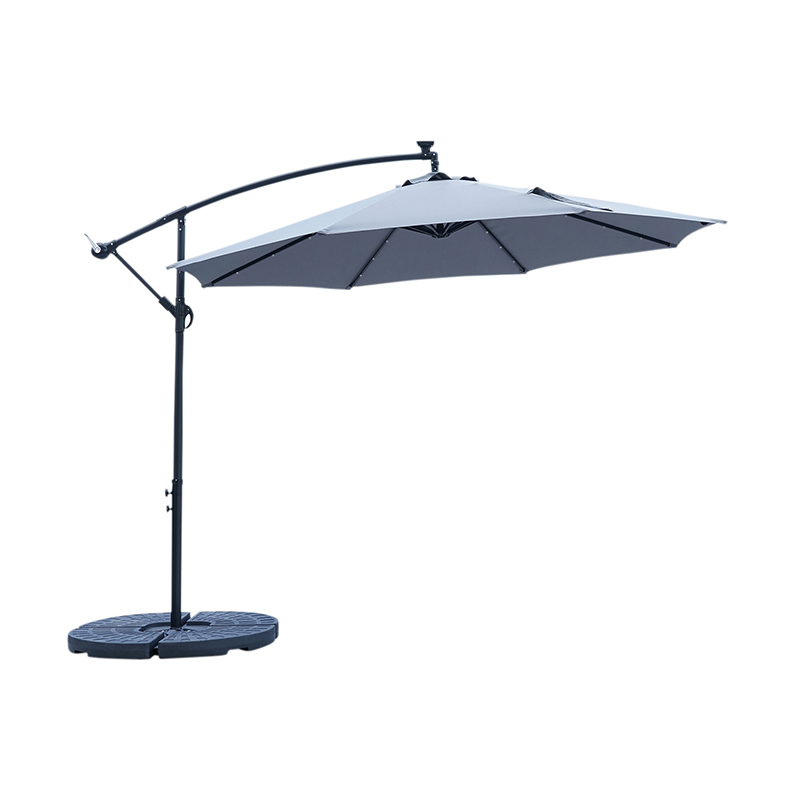
For buyers, the questions are practical. Which materials hold up in open air. How structure affects balance. What kind of base suits a hard floor or a softer surface. Why airflow matters when the weather shifts. These are the points that shape real buying decisions, and they also explain why an Outdoor Parasol Umbrella is often compared by details rather than by style alone.
Across patios, gardens, café corners, and leisure spaces, the same product can behave differently depending on its frame, fabric, and placement. A closer look at those parts gives a clearer view of what people actually notice during use.
Material choice shapes daily performance in a visible way. Sun, moisture, dust, and changing temperatures all leave a mark over time. A canopy may look similar at a glance, yet its surface can feel different after repeated exposure. Some fabrics stay smooth for longer. Others may change texture more quickly when they spend a lot of time outdoors.
A frame also matters because it supports the whole structure. A lighter frame can feel easier to handle, while a stronger one may give a steadier impression in open spaces. Neither choice works in every setting. The right fit depends on how often the product stays outside, how much movement it gets, and how much care the user is willing to give it.
Common material questions often focus on three areas:
In daily use, people rarely notice material quality at the start. They notice it later, when opening feels less smooth, when the surface loses its neat look, or when the frame begins to feel less firm. That is why material selection is one of the clearest signals of long-term usability in an Outdoor Parasol Umbrella.
Structure affects how the product behaves when someone opens it, closes it, or leaves it standing through the day. A centered pole, balanced ribs, and even tension across the canopy all contribute to a calmer user experience. When these parts align well, the umbrella feels easier to place and easier to live with.
Small differences in structure can change the way it stands. If the frame leans too easily or the joints feel loose, the product becomes harder to trust in a shared outdoor area. If the canopy opens without strain and the support points stay aligned, the whole unit feels more predictable.
People often judge structure through daily tasks rather than technical language. They notice whether it opens without wobble. They notice whether the canopy sits evenly. They notice whether the umbrella still feels steady after repeated adjustment.
An Outdoor Parasol Umbrella with a balanced structure usually gives a more settled impression in a patio setting, especially when the space is used often and furniture stays in place for long periods.
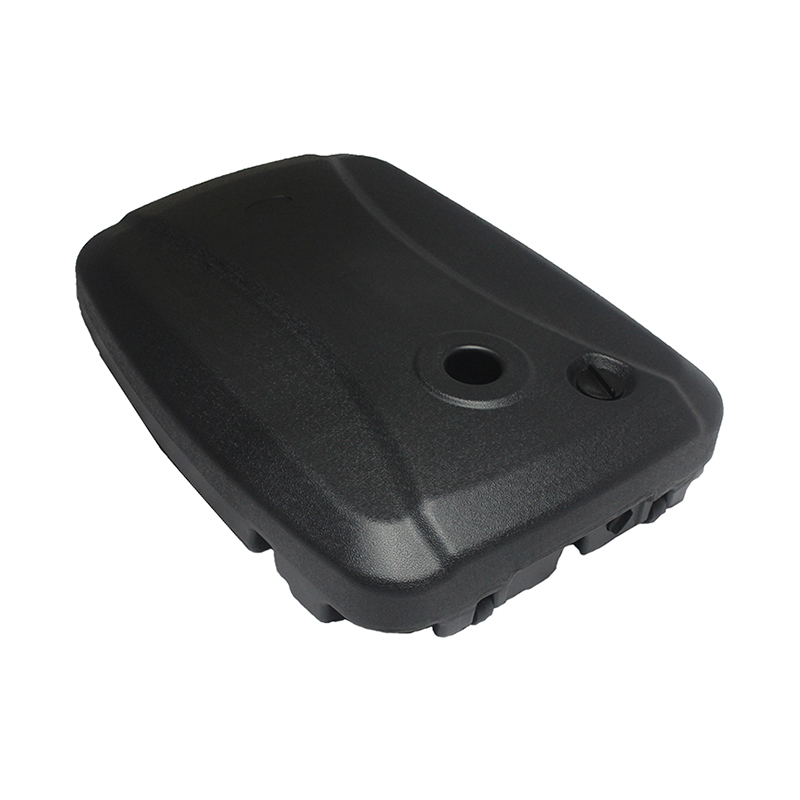
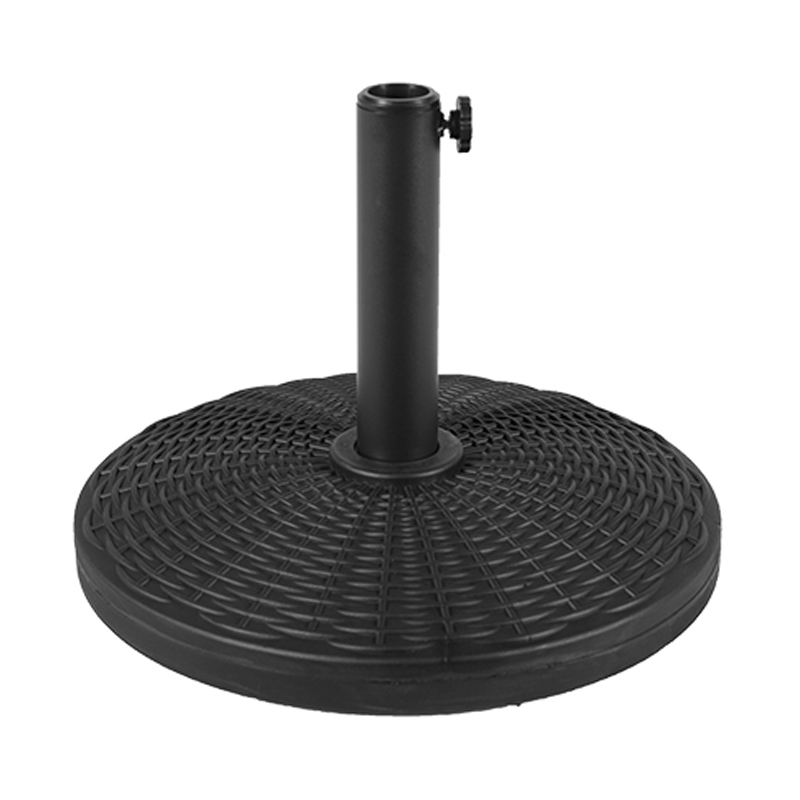
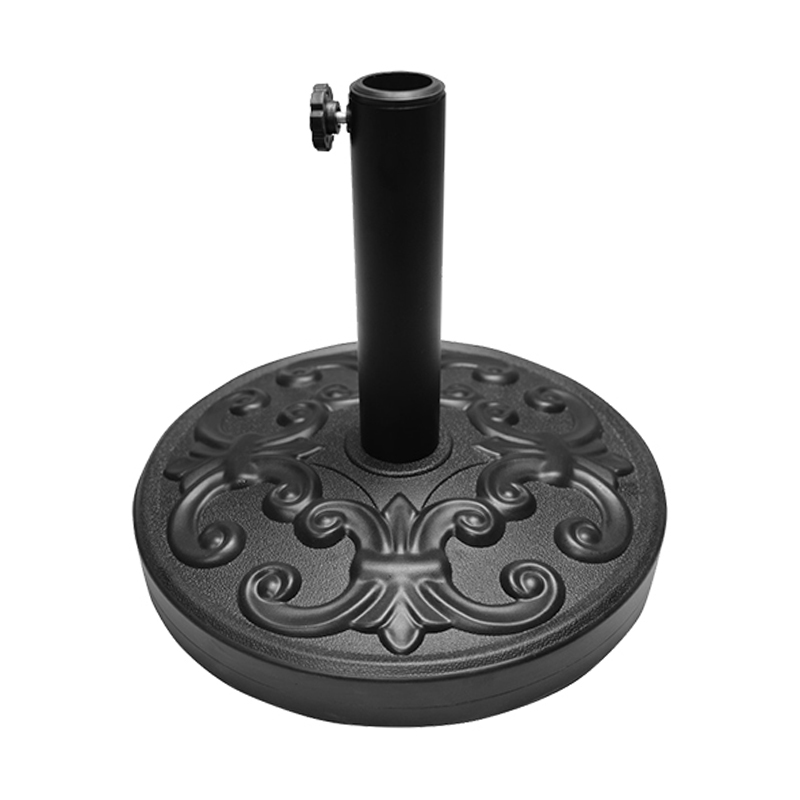
The ground beneath the product changes everything. A base that feels secure on one surface may behave differently on another. Grass tends to absorb pressure in a softer way, while concrete gives a firmer contact point. Because of that, base choice should follow the surface rather than the other way around.
| Surface Type | What It Needs | Practical Base Behavior |
|---|---|---|
| Grass | Wider support and steady contact | Works better when the weight spreads well |
| Concrete | Firm grip and clear positioning | Stays stable when the base sits flat |
| Mixed outdoor spaces | Easy repositioning and balance | Needs flexibility without feeling loose |
Some buyers prefer a base that can move with changing layouts. Others need something that stays in one place and does not shift much during use. The right option depends on whether the space is casual, fixed, or shared with other furniture.
In real conditions, the issue is not only weight. It is also the way the base meets the ground. A good fit helps reduce wobble and gives the whole setup a calmer presence. For an Outdoor Parasol Umbrella, that connection is often what decides whether the product feels ready for daily use or only for occasional placement.
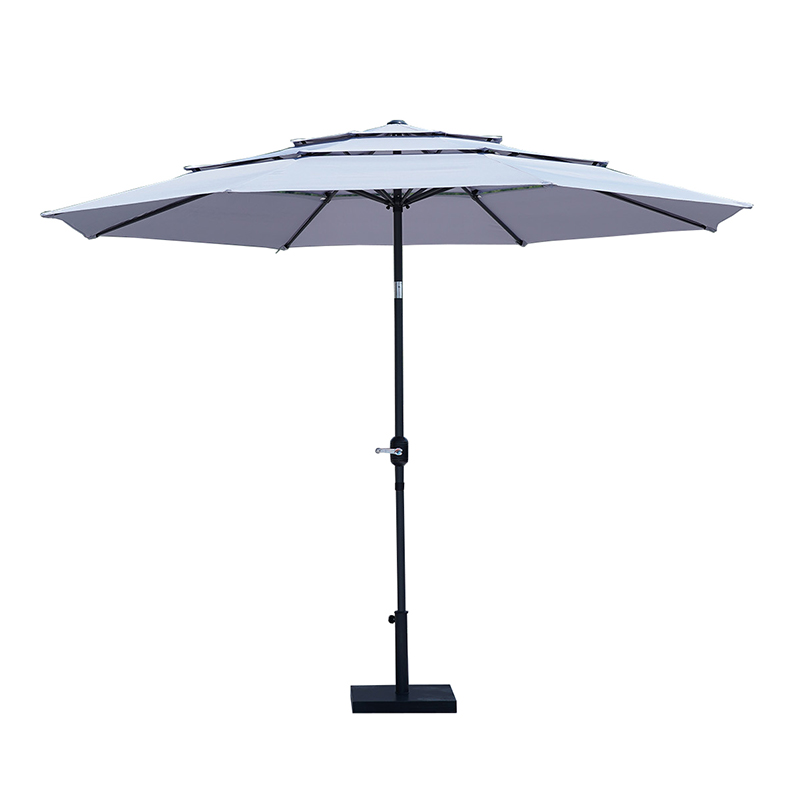
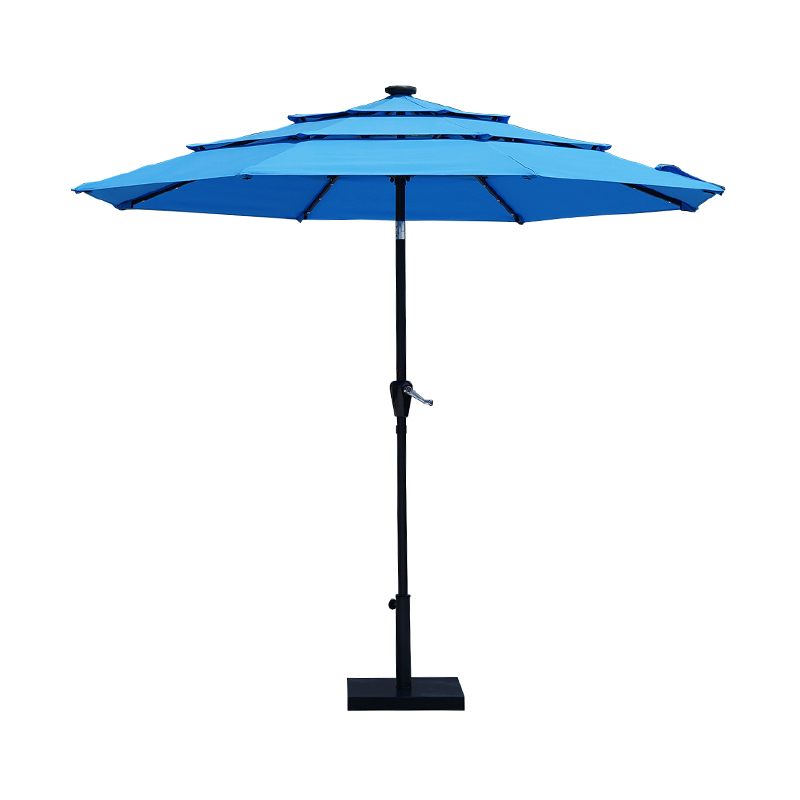
Air movement can change the way the canopy behaves in a very visible way. When air has a clear path through the top, pressure does not build up as quickly. That can help the shade unit feel less strained during shifting weather. A vented design also gives the canopy a lighter visual feel, which many users notice even before they think about function.
Without that airflow space, the canopy may catch more pressure from passing wind. That does not mean the product fails. It means the user has fewer comfort margins when the weather changes. In open patios, rooftop corners, and garden seating zones, that difference can shape the whole experience.
Here is the practical side of the design:
A vented top does not solve every weather concern, but it helps the product behave in a more controlled way. That is one reason this feature appears so often in product discussions around an Outdoor Parasol Umbrella.
Size should match the space, not overwhelm it. A large canopy in a narrow corner can feel crowded. A small one in a broad seating area can leave gaps that make the space less comfortable. The goal is not simply coverage. It is coordination.
Garden seating usually needs shade that follows the arrangement of chairs and side tables. Dining areas need a shape that works around the table without blocking movement. In both cases, the product should support use, not interrupt it.
A useful way to think about size is through placement:
These questions matter because they affect comfort more than visual scale alone. A well-matched shade unit makes the area feel composed, while a mismatched one draws attention for the wrong reason. For a buyer comparing options, the right size can make an Outdoor Parasol Umbrella feel like part of the setting rather than a separate object.
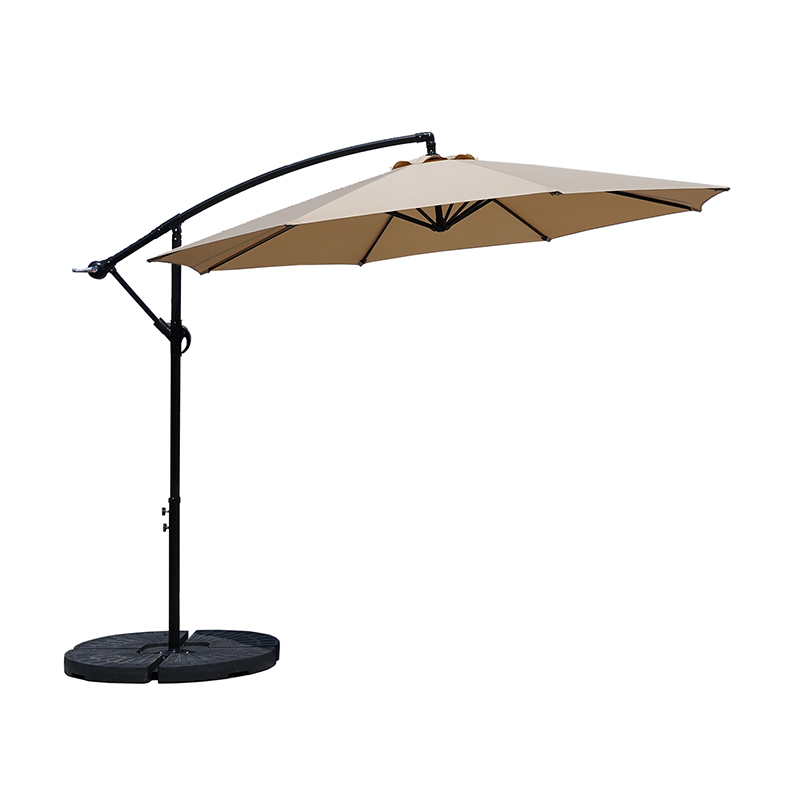
Fabric used in outdoor shade systems does not stay completely unchanged when it is placed under sunlight for long periods. The surface slowly reacts to light, air, and repeated folding. In everyday settings like patios or small garden areas, these changes are usually noticed during routine handling rather than at the beginning of use.
One thing people often see is a gradual shift in how the surface looks. The change is not abrupt. It tends to appear step by step, especially on sections that face direct light for longer hours. At the same time, the feel of the material can become slightly different compared with when it was new.
In practical use, attention is often placed on:
How the product is stored also plays a role. When it is folded and kept away from strong light, the fabric usually changes more slowly. When it stays open for long periods, the difference becomes easier to notice. In real use, an Outdoor Parasol Umbrella is often judged by these gradual changes rather than immediate appearance.
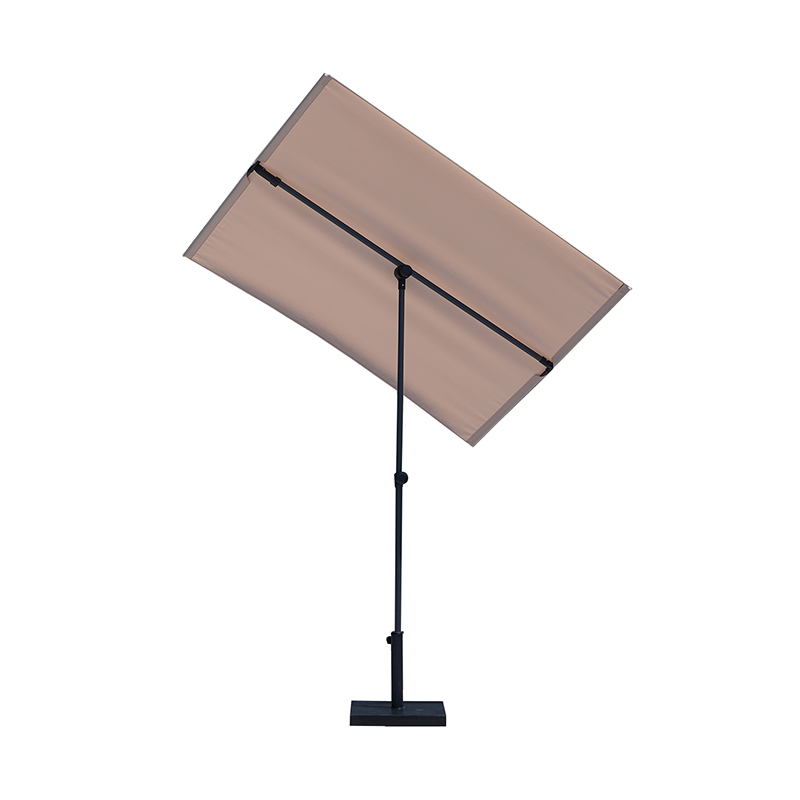
Tilt and rotation systems are mainly designed to adjust shade direction without needing to move the base. The idea is simple: keep the base in place while allowing the canopy to follow the changing position of sunlight.
Tilt movement usually shifts the canopy angle. Rotation changes the direction of the whole upper structure. When used together, they allow the shade to be adjusted in different seating situations without rearranging furniture.
In daily outdoor use, people usually notice these points:
The way these two functions interact also affects how often users need to make changes. When movement feels predictable, adjustments become less frequent. In an Outdoor Parasol Umbrella, this kind of flexibility often matters more than the mechanism itself, since it directly affects how the space is used.
Comfort is often shaped by small details that are not obvious at first glance. These details show up during repeated use rather than during initial setup. Things like how the handle feels in the hand or how smoothly parts move during opening can influence daily interaction more than appearance alone.
The way the structure responds during use is usually what people remember. If movement feels uneven, it can interrupt the flow of setting up the space. If the motion feels steady, the product tends to blend into the environment without drawing attention.
In real use situations, attention is often given to:
These details become more noticeable over time, especially in shared outdoor spaces where the shade system is used regularly. For an Outdoor Parasol Umbrella, these small design choices often decide how natural it feels to live with the product day after day.
Related Products
Contact Us for More Details
Don't hesitate to contact when you need us!
Contact Information
Add:
No.5-58(Building1&2in factory ) Kongao village, DatianDistrict, Linhai, Zhejiang, China
Phone:
+86-13958586110
Tel:
+86-576-89398116
E-mail:
Product Category
QR Code
Join our community and stay connected

Wholesale Outdoor Parasol Umbrella Factory

 English
 中文简体
中文简体
 Español