2026-08-14
Outdoor areas have quietly turned into something bigger than the occasional weekend hangout spot. Patios, gardens, terraces, poolside decks, and commercial outdoor zones now often function as genuine extensions of indoor living, which means shade solutions need to do more than just block sun. Comfort, layout flexibility, and how the whole space visually holds together all matter now.
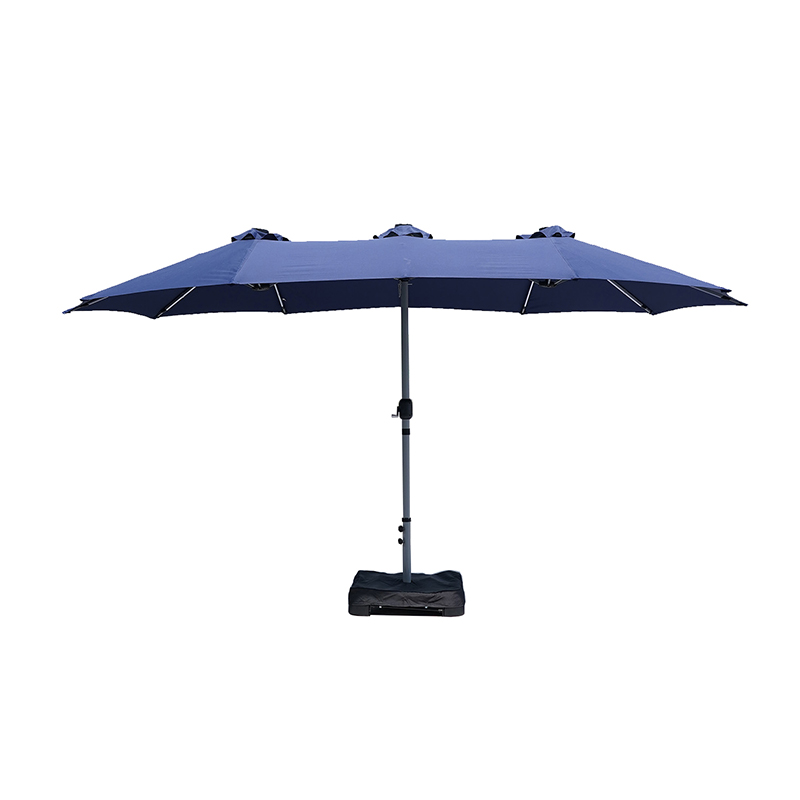
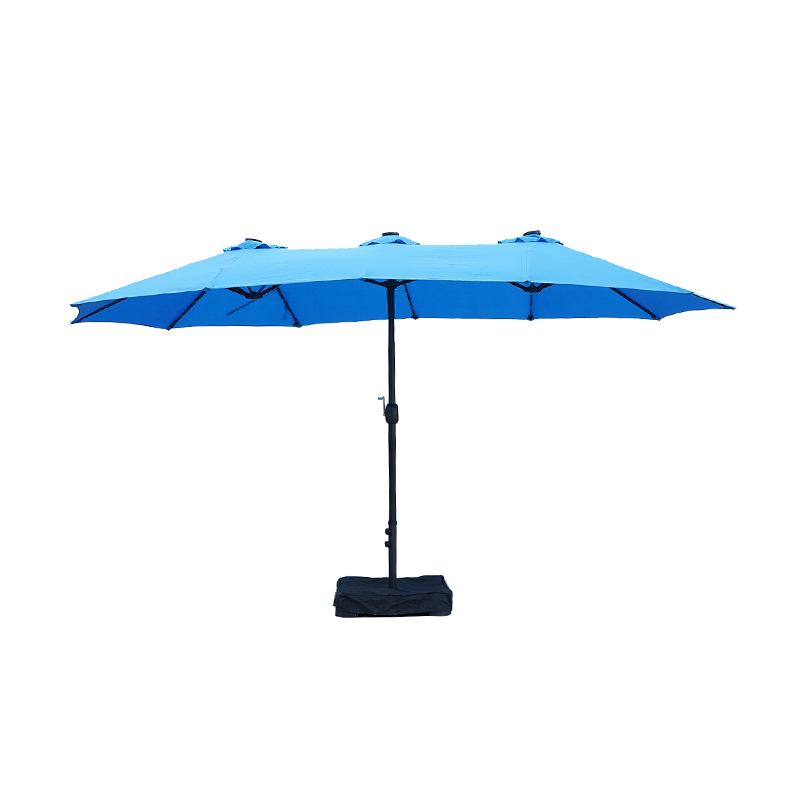
Traditional shade structures tend to plant their support pole right in the middle of the covered area, which sounds harmless until you're trying to arrange a dining set or lounge seating around it. A side-supported design takes a different approach entirely, leaving the space underneath the canopy wide open. That single shift makes it far easier to organize seating, dining setups, or activity zones without working around an awkward center pole.
Getting an outdoor shade system right depends on a handful of things — the space available, how furniture gets arranged, local weather patterns, and how the area actually gets used day to day. Structure, materials, how easily the thing adjusts, and how much upkeep it demands all factor into whether it genuinely fits a given environment.
For homeowners, designers, and commercial buyers alike, picking the right shade solution takes more than eyeballing which one looks nicest. Knowing how the design actually functions, where it fits best, and what details matter for long-term use tends to lead to outdoor spaces that feel genuinely livable rather than just decorative.
Outdoor layouts rarely stay static. They shift with the seasons, with different activities, and with whatever mood strikes on a given weekend. A flexible shade setup lets people adapt their space freely instead of being boxed in by a fixed structure sitting right where they want to put a table.
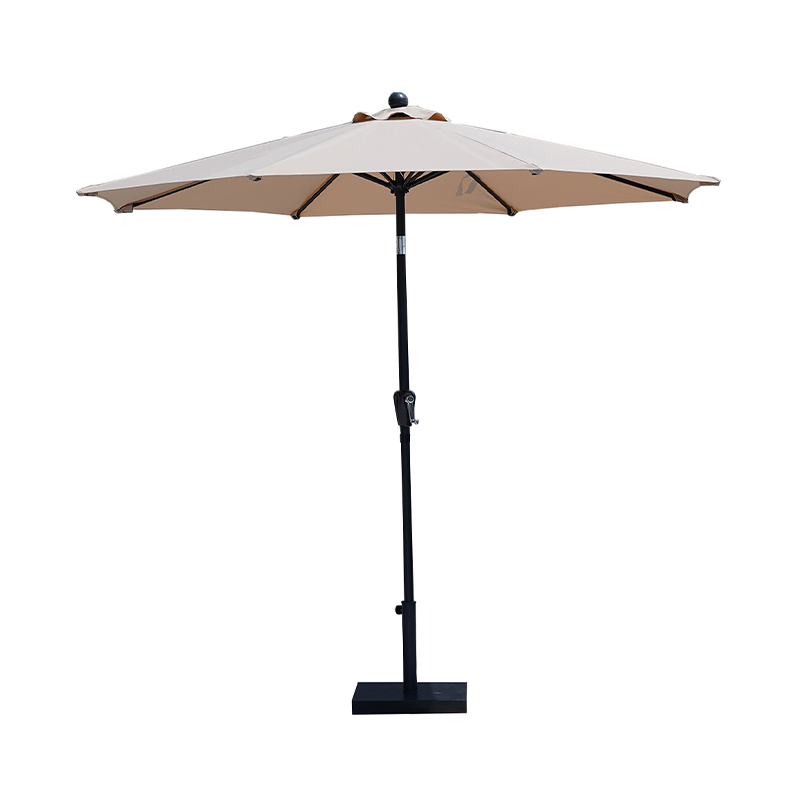
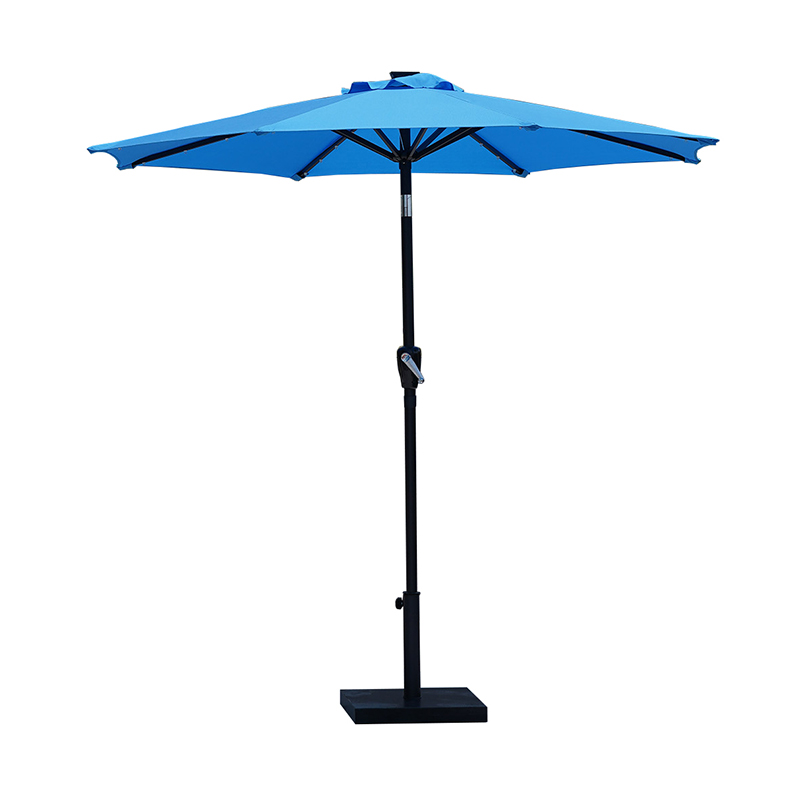
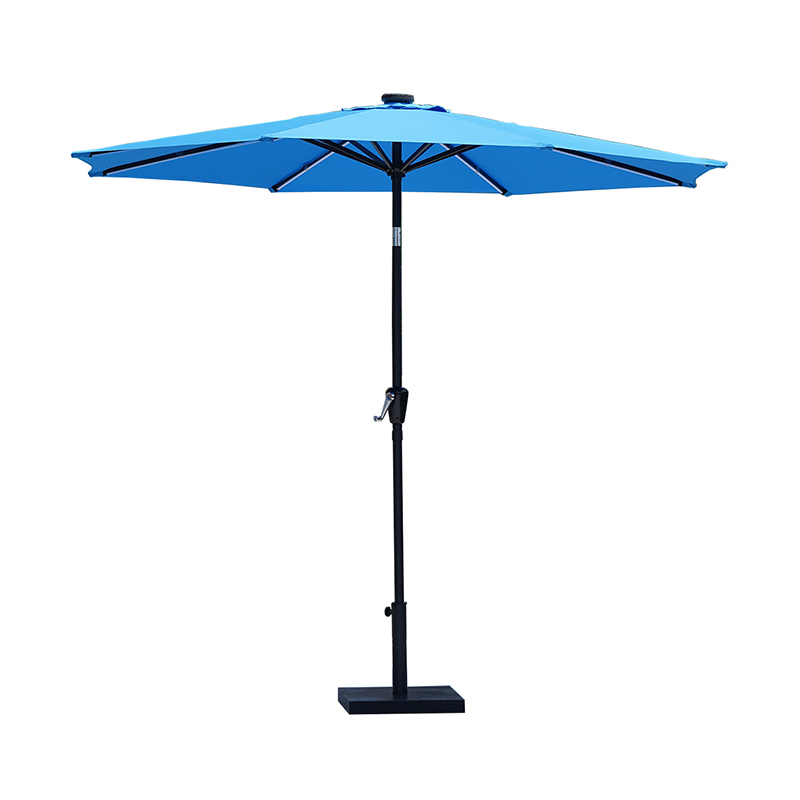
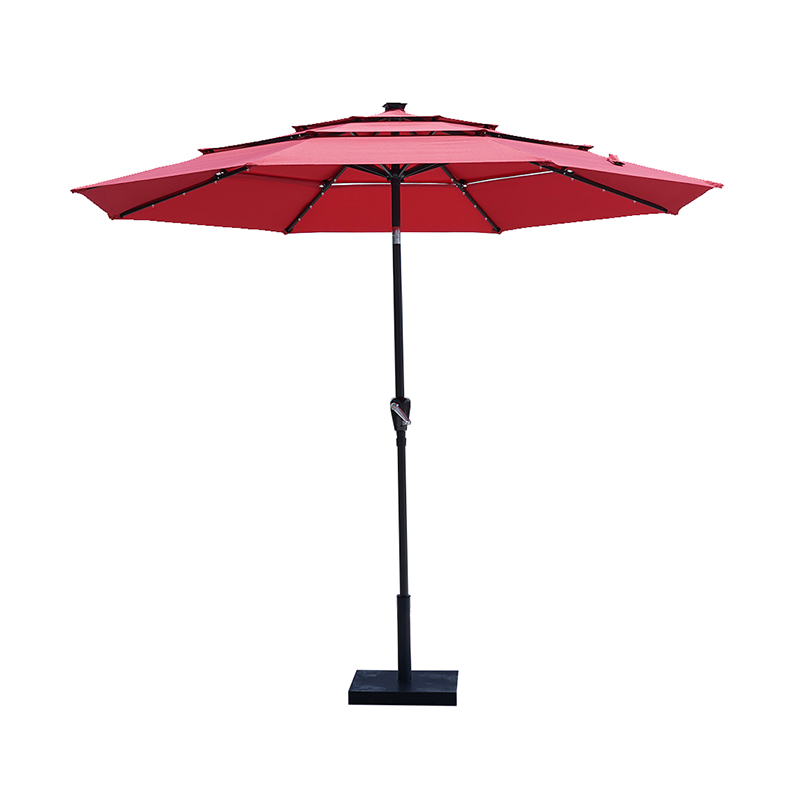
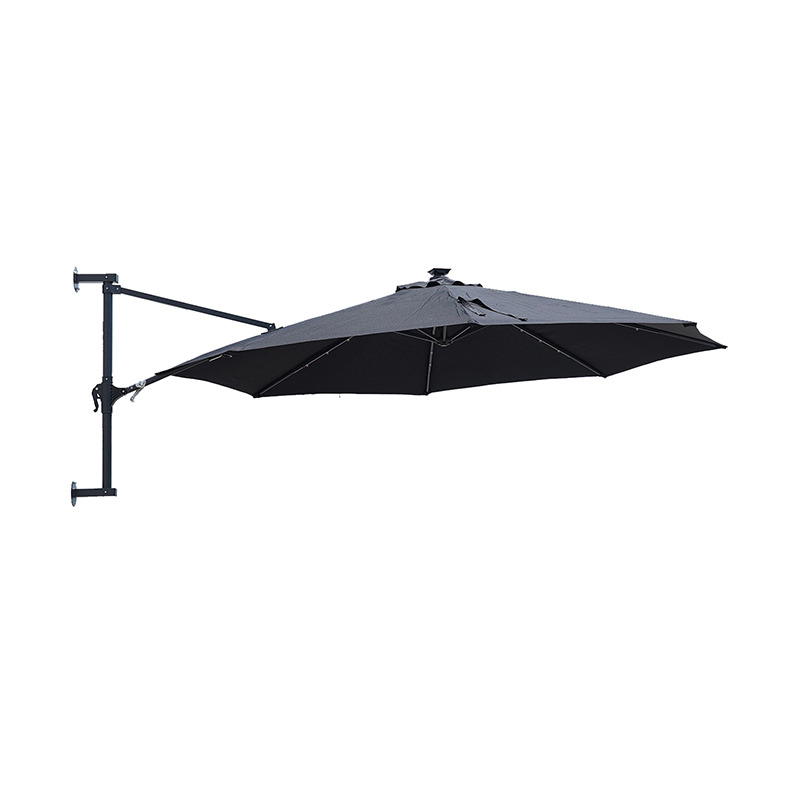
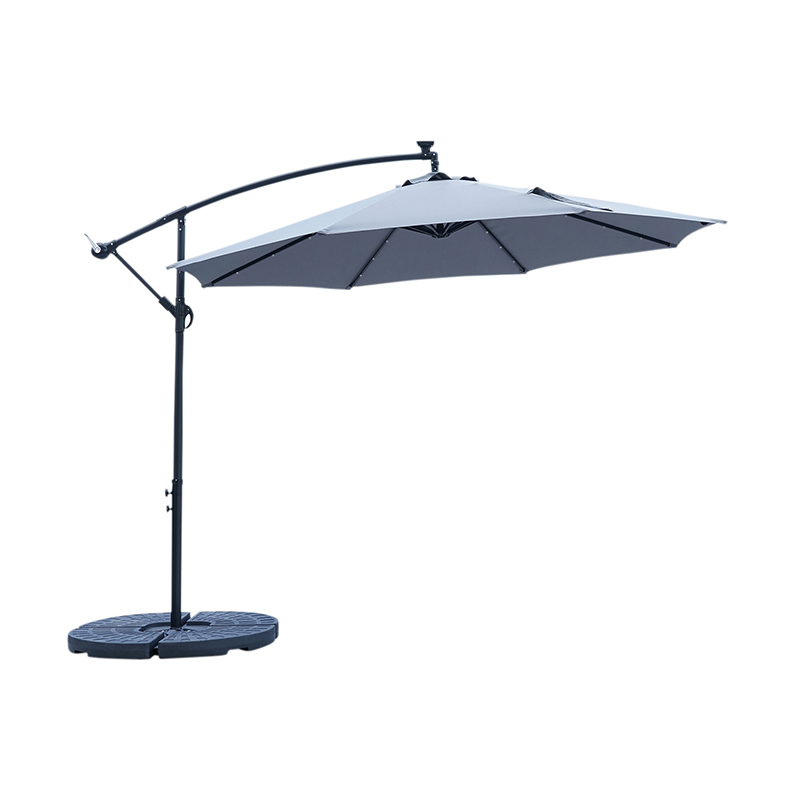
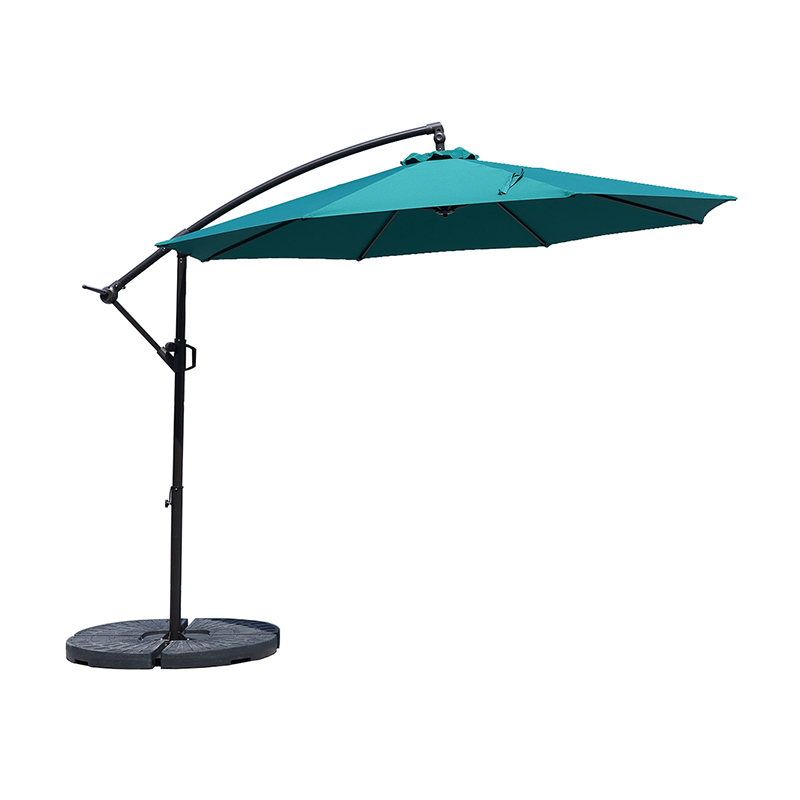
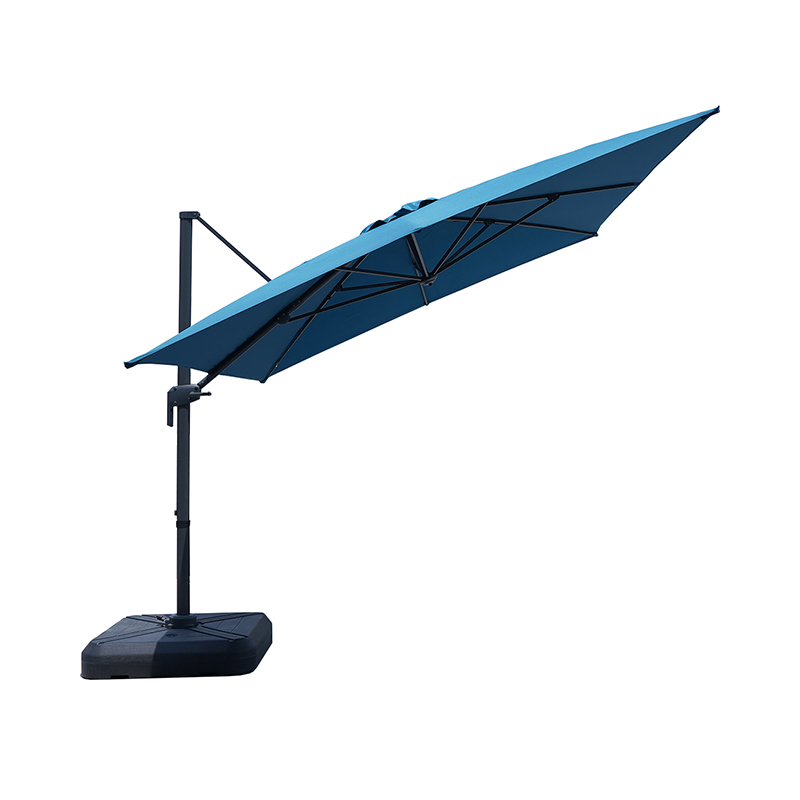
The defining trait of a side-supported umbrella design is pretty simple: the support pole sits off to the side rather than smack in the middle of the shaded area. Instead of a pole competing for space with a dining table or a cluster of lounge chairs, the whole structure stays out of the way while the canopy stretches out overhead.
This setup tends to shine in spaces where furniture gets rearranged often. An outdoor dining area, for instance, might need one layout for a big family meal and a completely different one for casual evening conversation. A side-supported structure makes that kind of shuffling far easier, since there's no central pole to navigate around every time chairs get moved.
A few things shape how flexible a space actually feels:
Open space planning — More usable room under the canopy means furniture can be rearranged without much friction.
Movement convenience — People can walk through seating areas without dodging a pole in the middle of the path.
Adaptable positioning — Systems that adjust let users track the sun as it moves throughout the day.
Multiple applications — The same basic concept works just as well in a backyard garden as it does in a hospitality setting or leisure space.
When people pick a shade solution, they're usually thinking less about the umbrella itself and more about how the space will actually get used hour to hour. That relationship between structure and surroundings is really what makes an outdoor setting feel comfortable rather than just covered.
Moving the support pole off to the side changes more than just the look of the umbrella — it fundamentally shifts how the whole shaded area gets used. With the support system out of the center, there's suddenly a lot more freedom in how furniture gets arranged underneath.
A standard outdoor umbrella plants its pole directly under the canopy, which works fine in plenty of situations but starts to feel limiting the moment someone wants a completely open seating area. The side-supported version offers a genuine alternative for layouts that need that extra breathing room.
This kind of structure usually comes together through a handful of connected parts:
| Component | Function In Outdoor Use |
|---|---|
| Side support pole | Holds the main structure while keeping the central area open |
| Supporting arm | Extends the canopy over the intended shade area |
| Canopy frame | Helps maintain the shape of the covering surface |
| Adjustment system | Allows users to change position according to needs |
How well these parts work together shapes the everyday experience quite a bit. Smooth adjustment, a stable base, and a sensible installation all add up to something that actually feels good to use rather than fiddly or awkward.
In commercial settings — restaurant patios, waiting areas, that sort of thing — this kind of flexible positioning makes it easy to reconfigure the space throughout the day as needs shift. On the residential side, it just makes gardens and patios much simpler to organize around whatever furniture is already there.
Patios have moved well past their old role as purely decorative afterthoughts. These days they double as dining spots, quiet corners for unwinding, or spaces built for hosting friends — which means the design behind them has to account for actual daily use, not just curb appeal.
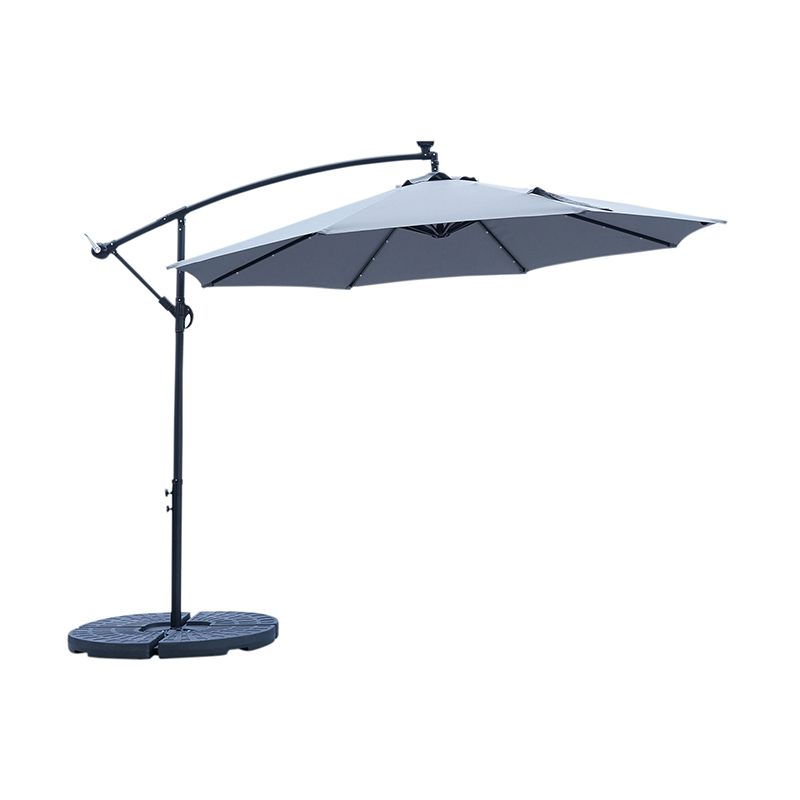
A shade structure with an offset support fits naturally into this shift, since it lets designers build out furniture arrangements without a support pole eating into the middle of the layout.
A handful of things tend to shape a solid patio plan:
A layout that works well usually balances practical function with some sense of visual harmony — the shaded area should feel like part of the whole space rather than something bolted on separately.
A modern terrace built around lounge furniture, for example, calls for a different setup than a garden space meant mainly for outdoor dining. What works best really comes down to how people actually interact with that particular corner of the yard or patio.
Because this kind of design adapts so easily, it tends to suit a wide range of outdoor styles — from a modest backyard setup to a carefully considered commercial layout.
Picking out a shade product really comes down to understanding the space it's going into, not just admiring how it looks in a showroom photo. The right choice depends heavily on the environment itself.
Before buying anything, it's worth working through a few questions:
Different spaces bring different demands. A compact balcony calls for something small and manageable, while a sprawling garden or commercial patio might need a much broader coverage setup.
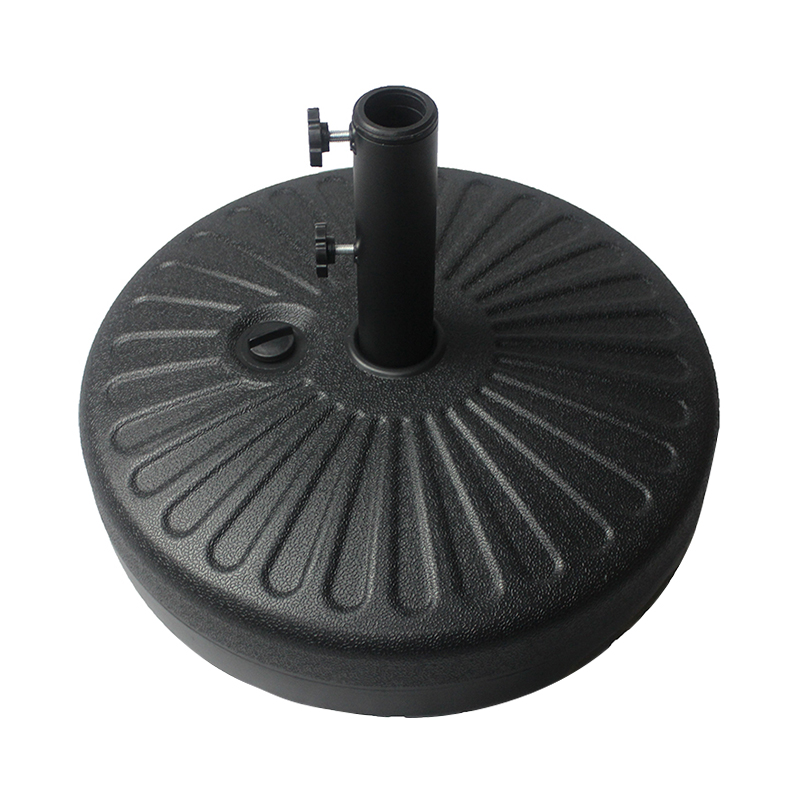
The ground itself matters too. Different surfaces call for different base solutions, and thinking that through ahead of installation tends to pay off in both stability and everyday convenience.
| Buying Consideration | Why It Matters |
|---|---|
| Space layout | Helps determine suitable placement |
| Furniture arrangement | Affects shade position and usability |
| Operating method | Influences daily convenience |
| Material selection | Relates to outdoor durability and maintenance needs |
A little thought upfront helps buyers land on something that actually fits how they'll use the space, rather than picking based on looks alone and hoping it works out.
The finer details of a shade product often decide how well it holds up in everyday use. Appearance tends to grab attention first, but the functional side deserves just as much scrutiny.
Canopy material shapes how much cleaning it'll need, how it looks outdoors over time, and what kind of maintenance habits it demands. Frame design, meanwhile, affects how the whole structure operates and how well it suits different settings.
A few features worth paying close attention to:
Canopy design — Shapes the look, coverage style, and how much upkeep it'll need.
Frame construction — Influences how smoothly the structure operates and how it holds up structurally.
Opening mechanism — Determines how easily the shade can be adjusted day to day.
Base compatibility — Affects how well the product pairs with different installation setups.
Small design choices ripple into the daily experience more than people expect. A smooth, easy adjustment mechanism, for instance, makes it far less annoying to shift the shade as the sun moves across the sky.
For anyone working directly with suppliers or manufacturers, having a solid grasp of these details makes communication a lot clearer. Specific, well-defined requirements make it easier to land on a solution that actually fits a particular outdoor project rather than settling for something close enough.
Furniture arrangement and shade placement are pretty tightly linked. Get that pairing right, and the whole outdoor space starts to feel more organized and welcoming rather than thrown together.
Different furniture styles tend to call for different shade approaches. Dining tables generally need focused, direct coverage, while lounge setups often benefit from a wider, more open shaded footprint.
A few common pairings tend to work well:
Color and material choices play into the overall look too. Neutral tones tend to blend easily across a range of outdoor styles, while bolder colors can create a stronger visual tie between the shade structure and the furniture around it.
The real goal isn't just tacking on shade for shade's sake — it's building a space where everything works together. Getting the combination of furniture, layout, and shade structure right genuinely changes how people experience time spent outdoors.
Outdoor products deal with a lot — sun, rain, dust, wind — so a bit of regular care goes a long way toward keeping things functional over the years.
A few simple habits tend to head off most common problems:
Different materials call for different cleaning approaches, so it's worth matching the care routine to whatever fabric and frame the product actually uses. Sticking to the right method helps protect both appearance and structural integrity over time.
Maintenance isn't just about wiping things down, either. It's also worth periodically checking that joints, adjustment mechanisms, and support points are still working as they should. A quick inspection now and then tends to catch small issues before they turn into bigger, more annoying problems.
A steady, unglamorous care routine is really what keeps an outdoor shade product feeling like a natural part of the space for years rather than something that needs replacing after a single season.
For projects with specific needs, working directly with a manufacturer opens up a lot more flexibility than picking from whatever's already on a shelf. Outdoor spaces vary so much from one project to the next that a standard, off-the-rack solution doesn't always cut it.
Manufacturers typically offer support across several areas of customization:
Clear communication between buyer and manufacturer really matters during the planning stage. Sharing honest details about installation conditions, how the product will actually be used, and general design preferences helps both sides land on something that genuinely fits rather than approximates.
For businesses working in outdoor furniture, hospitality, or landscape design, this kind of supplier cooperation supports a wide range of project needs. A dependable production process paired with clear, ongoing communication is really what turns a rough design concept into something practical people can actually use outdoors.
Outdoor shade solutions end up tightly connected to how people experience and enjoy their exterior spaces. Thinking through design, structure, feature selection, furniture pairing, upkeep, and customization together tends to lead buyers toward outdoor areas that genuinely fit how they actually live and work outside.
Related Products
Contact Us for More Details
Don't hesitate to contact when you need us!
Contact Information
Add:
No.5-58(Building1&2in factory ) Kongao village, DatianDistrict, Linhai, Zhejiang, China
Phone:
+86-13958586110
Tel:
+86-576-89398116
E-mail:
Product Category
QR Code
Join our community and stay connected

Wholesale Outdoor Parasol Umbrella Factory

 English
 中文简体
中文简体
 Español