2026-08-21
Outdoor shade can seem simple at first. A canopy is opened above a table or seating area, and the space underneath becomes more comfortable. In practice, the shaded area does not stay in exactly the same place throughout the day. Sunlight changes direction, furniture may sit outside the canopy, and wind can influence how an umbrella is positioned. The material also faces repeated exposure to outdoor conditions.
For this reason, creating useful shade involves more than choosing a canopy with a suitable appearance. The relationship between sunlight, placement, adjustment, support, and fabric condition all affects how an outdoor shade setup works in everyday use. Looking at these factors together makes it easier to explain why a seemingly simple patio arrangement can behave differently as conditions change.
Sunlight does not remain at one fixed angle during the day. As its position changes, the shadow cast by a canopy moves across the patio. A seating area that is shaded earlier may receive direct sunlight later, even though the umbrella itself has not moved.
This is particularly noticeable around outdoor dining spaces. When the sun is relatively high, the shadow may remain close to the area directly beneath the canopy. As the sun moves lower, the shadow can extend farther across the ground while also shifting away from the original seating position.
The direction of the patio also matters. A table placed beside a wall, planting area, or other outdoor feature may receive changing amounts of sunlight as the day progresses. The same canopy can therefore produce different practical results depending on where it is installed.
| Outdoor condition | Possible effect on shade |
|---|---|
| Sunlight changes direction | The shaded area moves |
| Lower sun position | Shadows may extend farther |
| Different patio orientation | Sun reaches different seating areas |
| Fixed canopy position | Some areas may become exposed later |
This explains why shade should be considered as a moving area rather than a fixed circle beneath the canopy.
A larger canopy does not automatically place every part of a table in shade. The actual shaded area depends on the relationship between the canopy, the table, the seating arrangement, and the direction of sunlight.
For example, a table may sit directly beneath the canopy when the sun is overhead but become partly exposed when sunlight approaches from the side. The outer edge of the tabletop can then receive direct light even though the canopy still appears large enough when viewed from above.
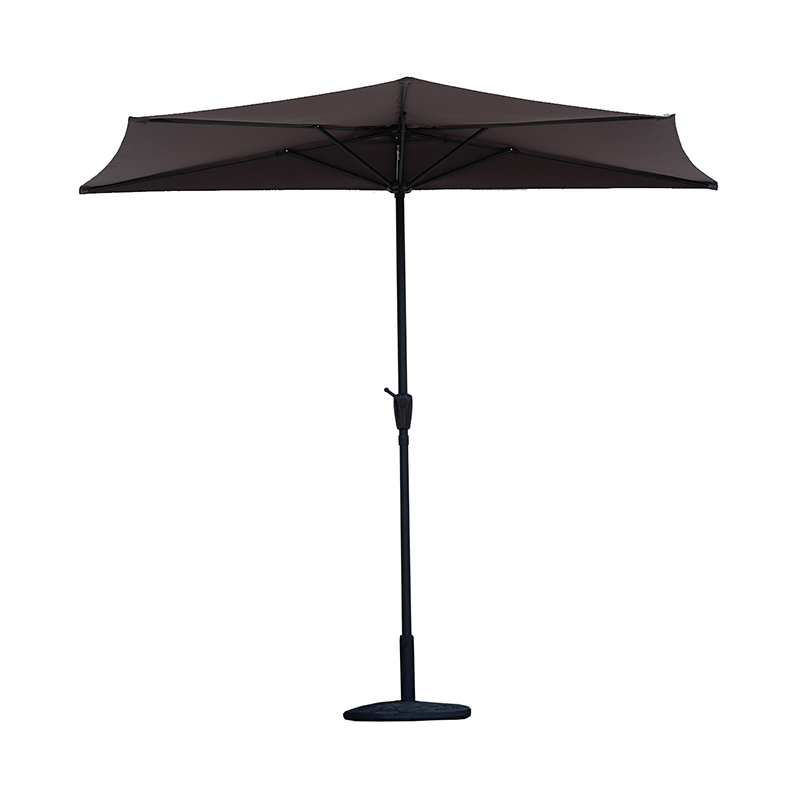
The position of the pole can also influence the arrangement. A centered pole may work naturally with some dining layouts, while an offset arrangement can leave more open space around the table. Neither approach works in exactly the same way for every patio.
A useful way to think about canopy coverage is to consider the complete outdoor arrangement rather than looking at the canopy by itself. The shaded area needs to overlap with the places where people actually sit, eat, or spend time.
This is also why simply moving to a larger canopy may not resolve every shade problem. If the canopy remains in a fixed position while sunlight changes direction, part of the seating area can still move into direct light.
Furniture placement has a direct relationship with practical shade. A canopy may cover a large area of the patio but provide limited comfort if the chairs are positioned outside the useful shadow.
The relationship becomes easier to see with a dining table. If the table is placed too far from the pole, some chairs may sit beyond the canopy edge. If the table is positioned too close to a wall, rotating or adjusting the canopy may also become difficult.
A flexible outdoor arrangement usually needs enough surrounding space for the canopy to be opened, adjusted, and repositioned without interfering with nearby furniture.
Consider these placement questions before arranging the seating area:
The answers can influence how effectively the available canopy area is used. In many cases, changing the position of a table or chair can make a noticeable difference without changing the shade structure itself.
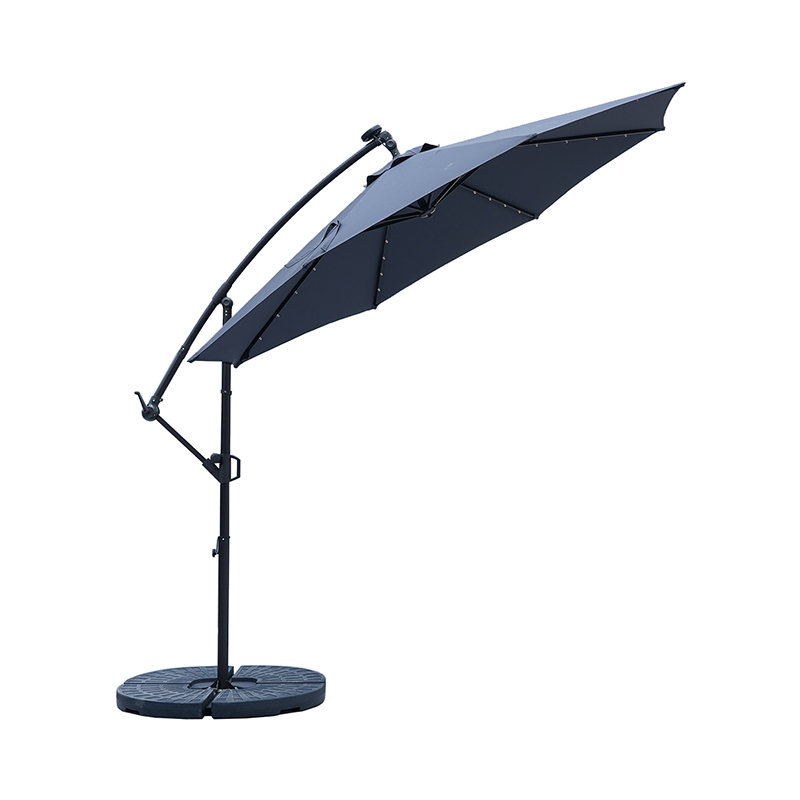
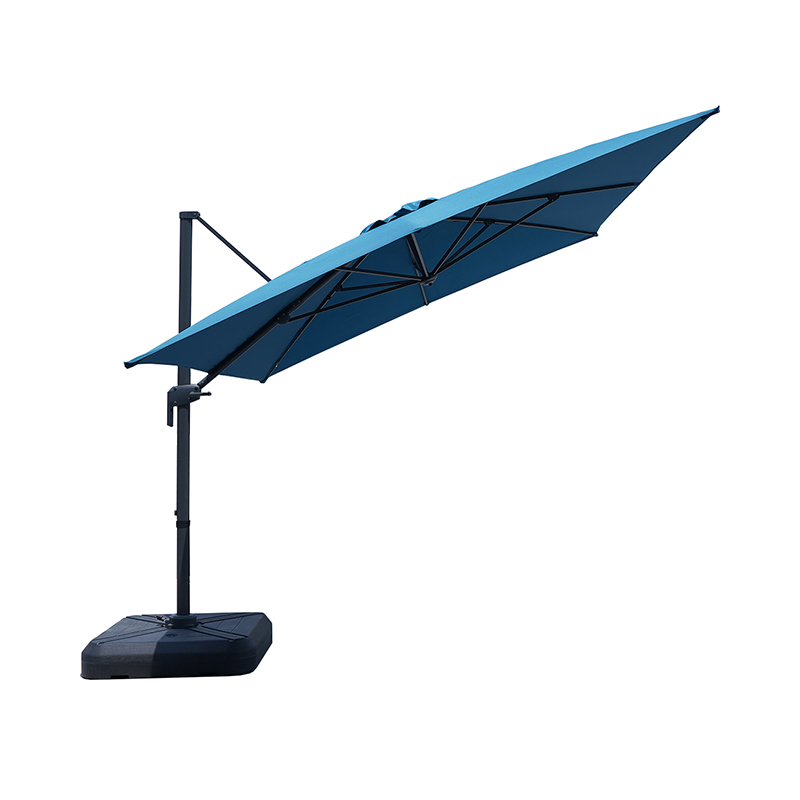
A fixed canopy has a relatively fixed orientation. When sunlight shifts, the shaded area changes with it. A tilt mechanism allows the canopy angle to be adjusted so that the shade can follow changing sunlight more closely.
This becomes useful when the sun approaches from a lower side angle. Instead of keeping the canopy flat, the upper structure can be angled toward the direction where shade is needed.
Tilt adjustment can also help when the seating area is not directly beneath the center of the canopy. A small change in angle may redirect part of the shadow toward the chairs or tabletop.
| Adjustment factor | Why it matters |
|---|---|
| Sun direction | Changes where the shadow falls |
| Canopy angle | Changes the direction of shade |
| Seating position | Determines where shade is useful |
| Patio surroundings | May limit available movement |
The mechanism is therefore less about adding complexity and more about allowing the canopy to respond to changing outdoor conditions. It can be particularly useful when a patio is used at different times of day.
However, adjustment should still be considered alongside stability. A canopy positioned at an angle may interact differently with wind than one positioned flat, which makes the surrounding conditions important.
Sunlight is only one environmental factor. Wind can also affect how an outdoor canopy behaves. A gust may cause the canopy to move, rotate, or place additional pressure on its supporting structure.
The location of the umbrella can therefore matter as much as its orientation toward the sun. An open area may expose the canopy to moving air from several directions, while nearby walls or structures can change the way air moves around the patio.
The canopy should not be treated as an isolated object. The pole, base, ground surface, surrounding furniture, and weather conditions all form part of the setup.
When wind conditions become unsuitable for an open canopy, closing and securing it is generally more appropriate than trying to maintain the same position. This is especially relevant for outdoor spaces that are not constantly attended.
Wind also explains why a canopy that appears stable during calm conditions may behave differently later. Stability is influenced by changing conditions, not simply by how stationary the structure looks at one moment.
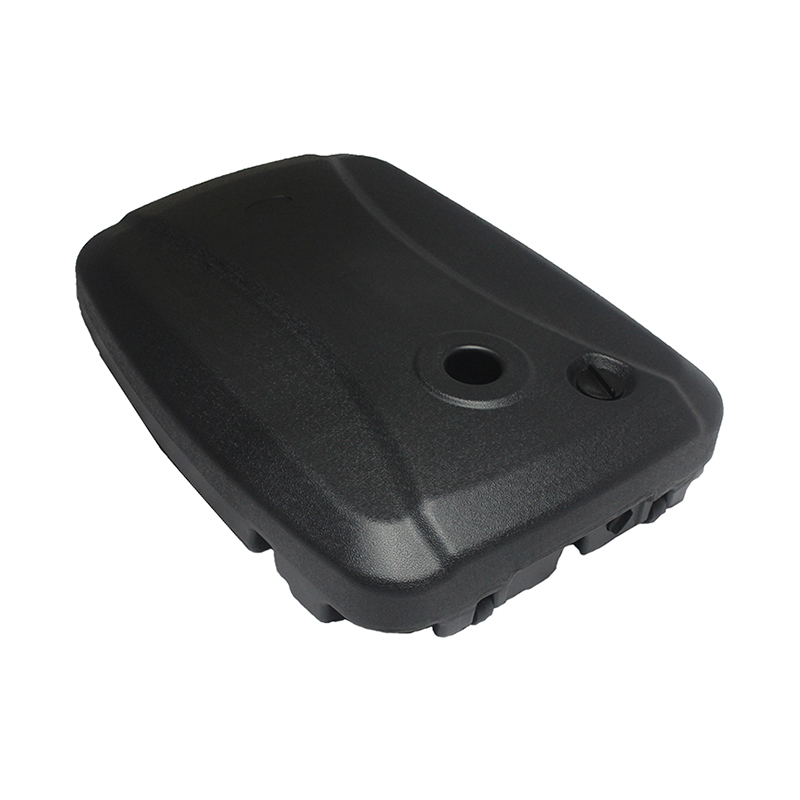
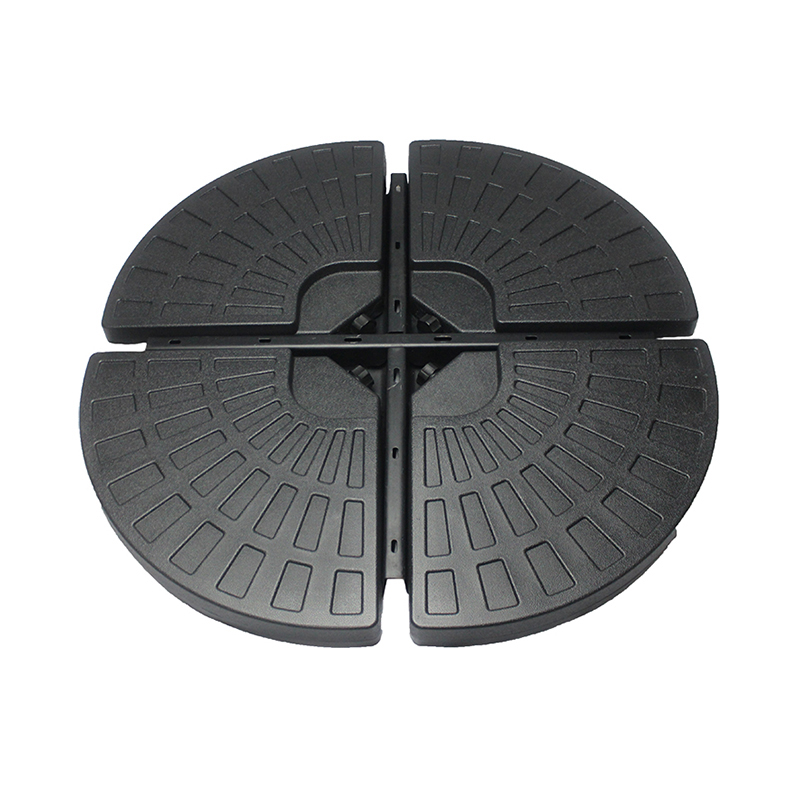
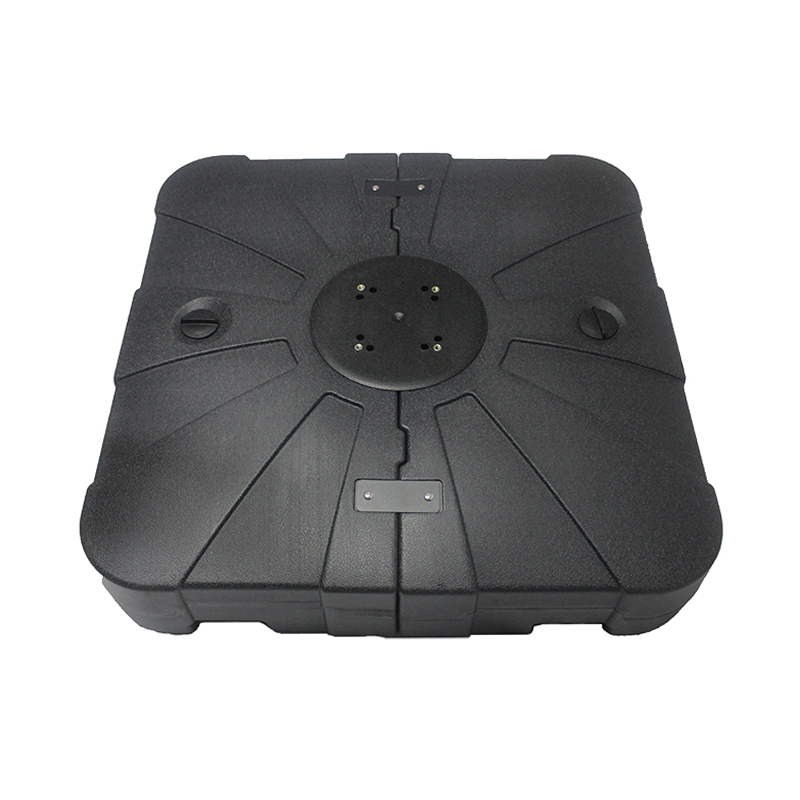
The base provides the support needed to keep the pole in position. As the canopy arrangement changes, the supporting structure also becomes an important part of the overall setup.
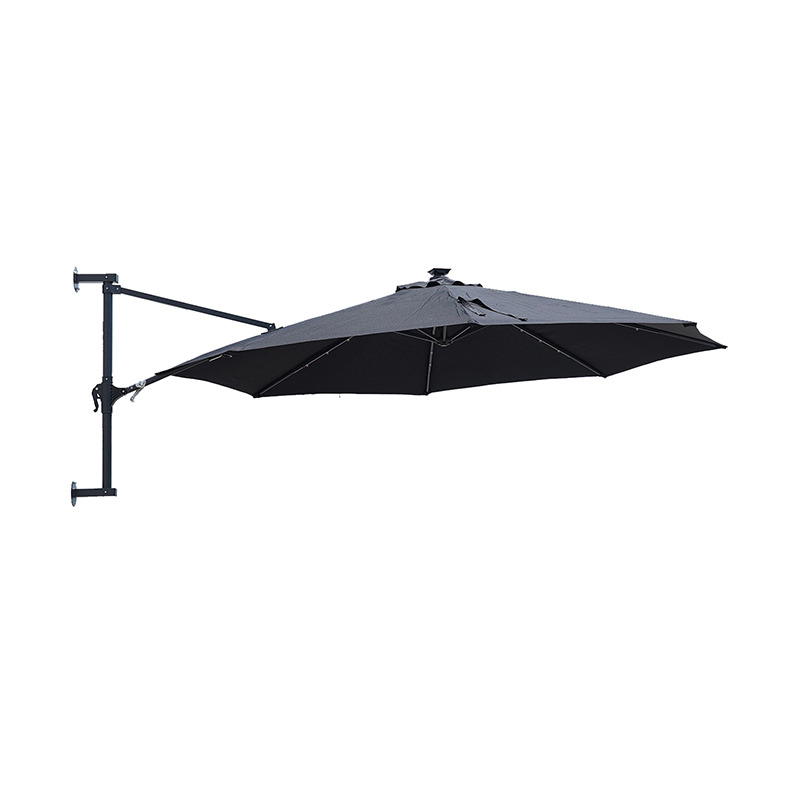
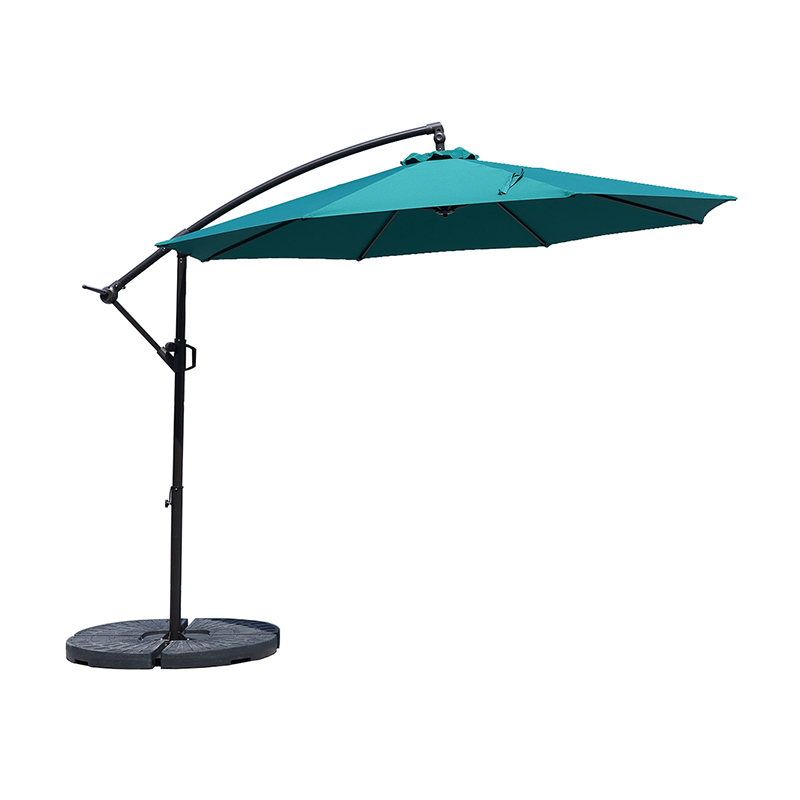
This is particularly relevant when the canopy extends away from the pole. An offset arrangement changes how the weight and movement of the open structure are transferred toward its support. The base therefore needs to suit the structure and the intended installation area.
Ground conditions also deserve attention. A level, stable surface provides a different foundation from loose ground or an uneven patio. If the base does not sit securely, movement can become more noticeable during everyday use.
A practical setup involves considering the relationship between:
The base should not be considered merely as an accessory beneath the pole. It is part of the overall support arrangement and can affect how confidently the canopy remains positioned during normal outdoor use.
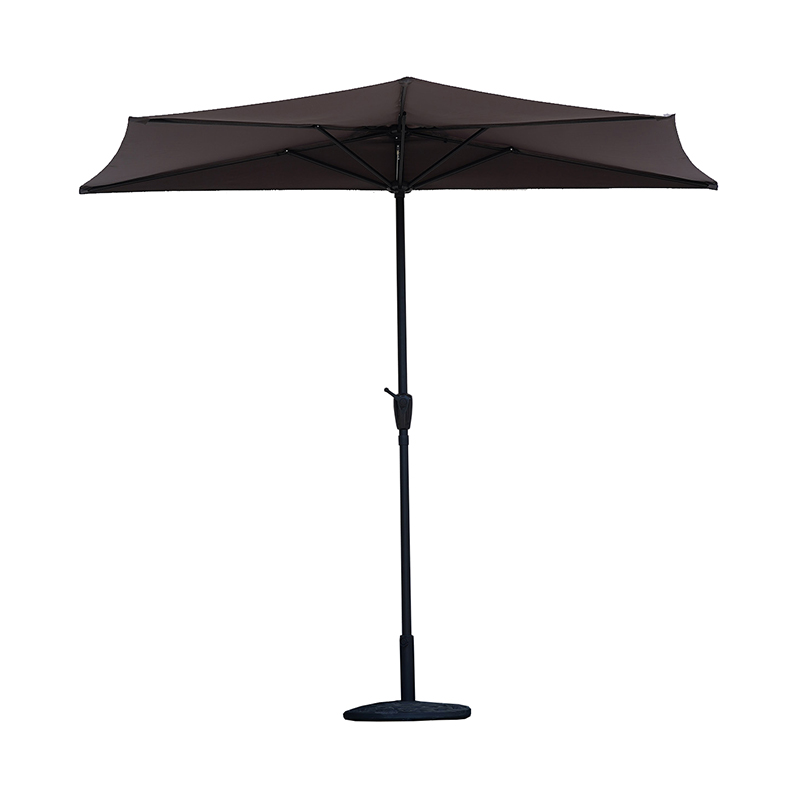
Opening and adjusting an outdoor canopy can become a repeated part of daily patio use. A crank system can make the opening process more controlled, while rotation allows the shaded area to be repositioned without necessarily moving the entire base.
These functions become useful when the sun changes direction. Instead of moving furniture every time the shaded area shifts, the canopy can sometimes be adjusted to better align with the seating area.
Rotation can also help when the patio contains several activity zones. A canopy that initially shades a dining table may later be turned toward another seating area. The usefulness of this movement depends on the available clearance around the structure.
A smooth adjustment process also reduces the need for unnecessary force. If a crank becomes difficult to turn or a rotating section feels obstructed, checking the mechanism and surrounding area is preferable to forcing it.
The way a canopy is operated can therefore influence its practical role in an outdoor space. Adjustment is not only about convenience; it can also determine how readily shade can respond to changing conditions.
Outdoor fabric is exposed to sunlight, moisture, dust, and occasional debris. These conditions can gradually change the appearance and condition of the canopy.
Repeated sunlight can contribute to fading, while moisture that remains on fabric for extended periods can create an unpleasant smell or encourage surface problems. Dirt can also accumulate around areas that receive frequent exposure to rain and airborne particles.
Keeping the fabric in reasonable condition involves simple habits. Allowing a wet canopy to dry before storage can reduce moisture-related concerns. Gentle cleaning can remove surface dirt without putting unnecessary stress on the fabric. When the shade structure is not being used for an extended period, suitable protection and dry storage can also reduce exposure to outdoor conditions.
Fabric condition can influence the appearance of an outdoor space, but it also relates to how the canopy continues to function. Loose, damaged, or heavily worn material may not sit in the same way as fabric that remains properly maintained.
The canopy is only one part of an outdoor shade arrangement. Its usefulness depends on how sunlight reaches the space, where furniture is positioned, how the structure can be adjusted, how it is supported, and how the fabric is cared for over time. These practical considerations are relevant when planning or maintaining outdoor shade areas, with product development and manufacturing experience in this field represented by Linhai Hongtai Leisure Products Co., Ltd.
Related Products
Contact Us for More Details
Don't hesitate to contact when you need us!
Contact Information
Add:
No.5-58(Building1&2in factory ) Kongao village, DatianDistrict, Linhai, Zhejiang, China
Phone:
+86-13958586110
Tel:
+86-576-89398116
E-mail:
Product Category
QR Code
Join our community and stay connected

Wholesale Outdoor Parasol Umbrella Factory

 English
 中文简体
中文简体
 Español