2026-09-11
Outdoor spaces rarely have the same layout. A narrow patio may have limited walking room, while a larger garden area may need shade across several seating positions. Even when the available area looks open, walls, furniture, railings, doors, and other features can affect where a shade structure can be placed.
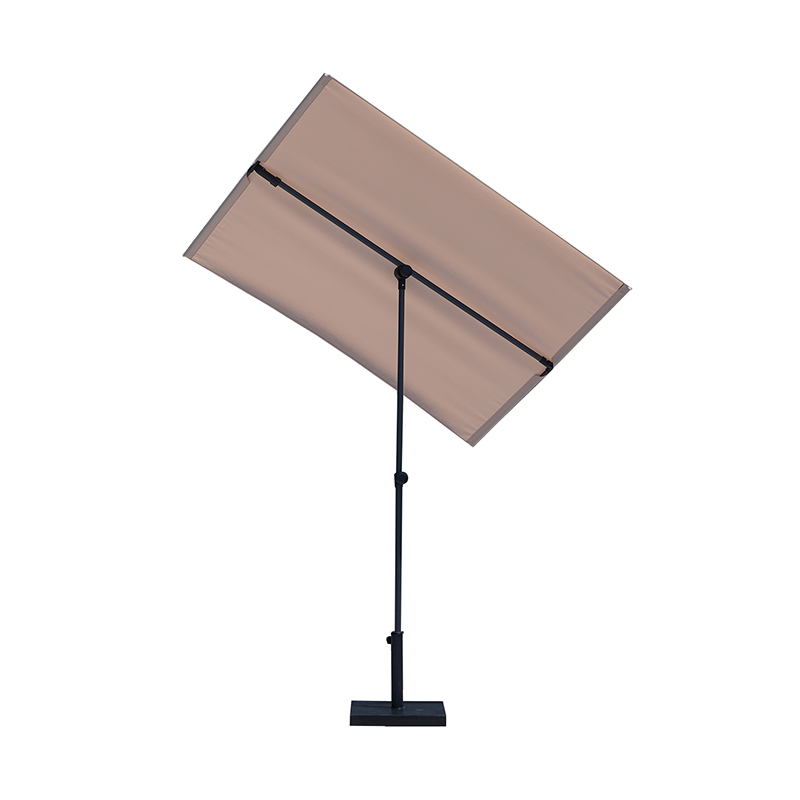
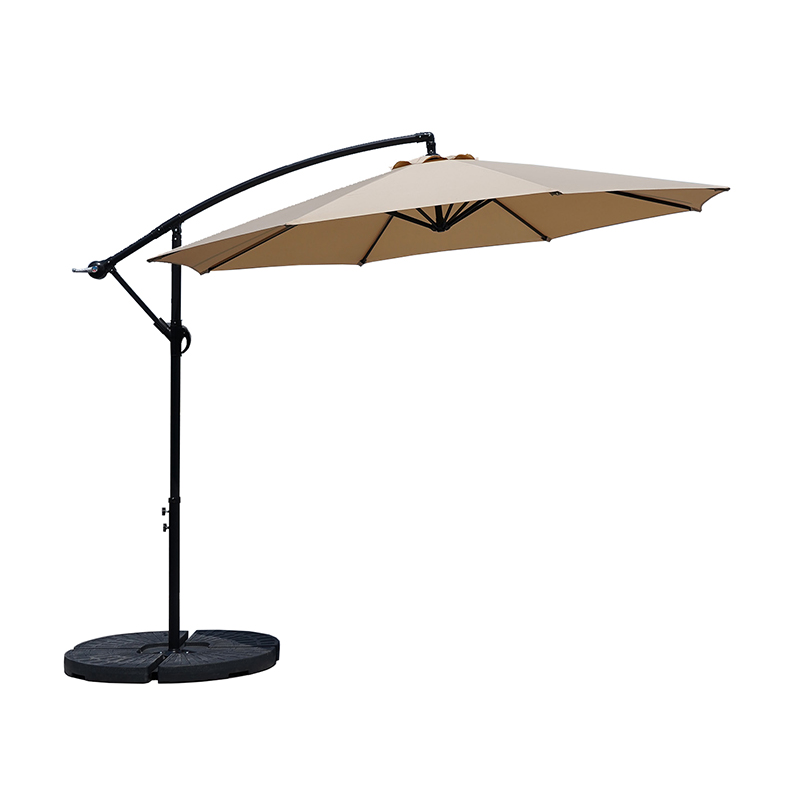
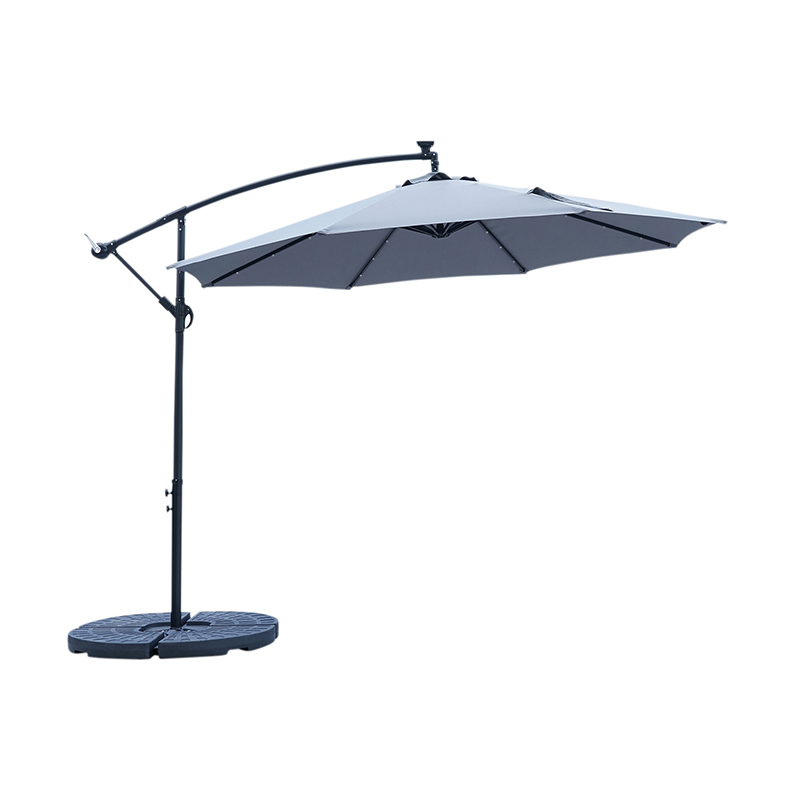
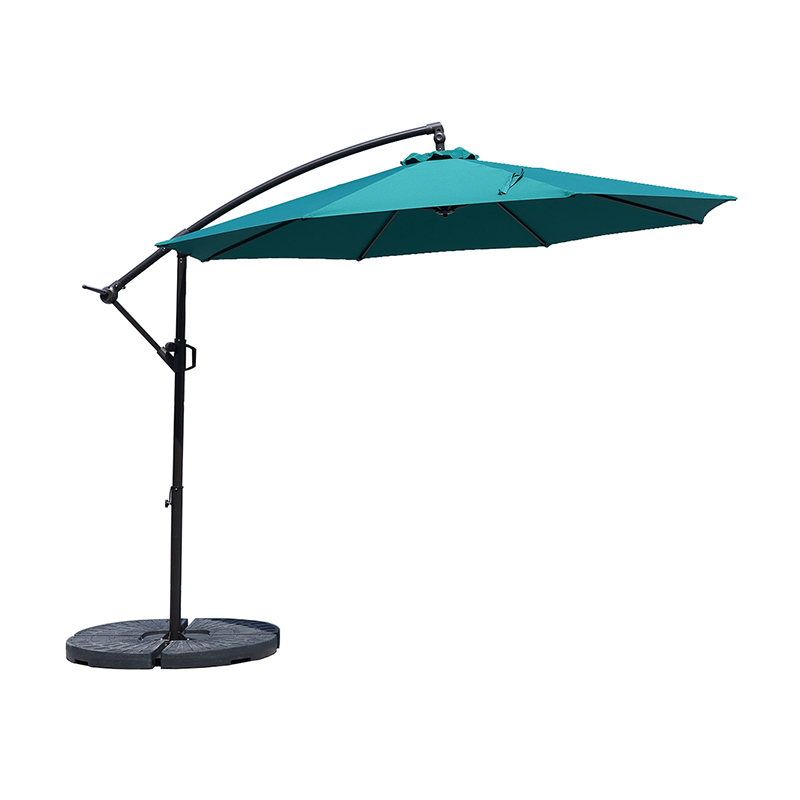
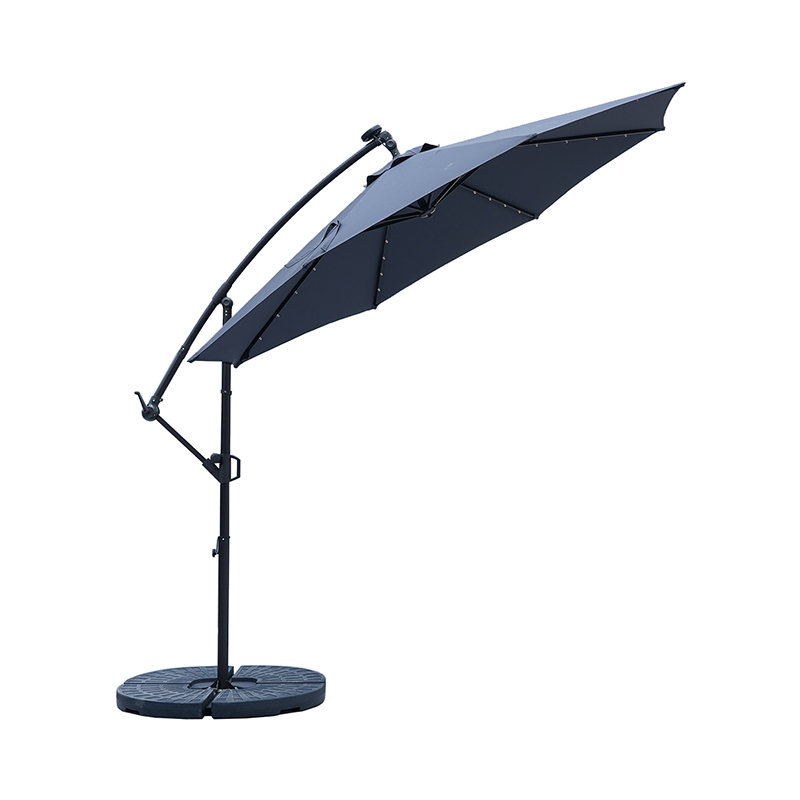
A Square Cantilever Patio Umbrella offers a different approach from a conventional center-pole umbrella because the support structure can sit beside the area being shaded. This arrangement can be useful when the space beneath the canopy needs to remain open for a table, chairs, or other outdoor furniture.
The practical question is not simply whether a square canopy can fit into a particular space. Its position, size, base arrangement, adjustment range, and relationship with nearby objects all influence how the space can be used. Looking at these factors together makes outdoor planning more straightforward.
Different outdoor areas create different placement requirements. A dining patio may need shade directly above a table, while a lounge area may require coverage across several seats. A poolside space can have different limitations because wet surfaces, pathways, and open edges may affect where the support structure can stand.
Square canopies can work with a range of layouts because their straight edges can follow the lines of many outdoor spaces. This can be useful around rectangular tables, seating arrangements, or patio boundaries.
Before choosing a location, it helps to consider how the area is actually used. A space that looks suitable when empty may become crowded once chairs are pulled out or people move around the furniture.
Several questions can guide the initial layout:
The answers help define the usable area rather than simply the total size of the patio. This distinction becomes important when planning a compact outdoor setting.

Canopy size should relate to the area that needs shade rather than being selected independently from the surroundings. A canopy that extends beyond the usable patio area may interfere with walls, trees, railings, or neighboring structures. A smaller canopy, on the other hand, may leave part of a seating area exposed.
The shape of the space also matters. In a narrow patio, the canopy may need to follow the longer direction of the available area. In a wider setting, the same shape can be positioned around a dining or lounge arrangement without restricting movement.
Furniture should be considered at the same stage. Chairs need room to move away from a table, and people need clear paths between seating areas. The canopy should provide shade without making these paths feel confined.
| Outdoor Setting | Main Planning Concern | Useful Placement Approach |
|---|---|---|
| Compact patio | Limited floor space | Keep the support structure near an edge where practical |
| Dining area | Shade around seating | Align the canopy with the table and surrounding chairs |
| Lounge space | Several seating positions | Position the canopy around the main activity area |
| Poolside area | Open movement paths | Keep access routes clear around the shaded area |
A suitable proportion between the canopy and the surrounding space makes the setup easier to use. The goal is not simply to cover as much ground as possible, but to create a shaded area that works with the way people move and sit.
Position has a direct effect on how the shaded area relates to the rest of the patio. Placing the support structure beside a seating area can leave more usable room beneath the canopy, but the exact location still needs to account for surrounding objects.
A wall can provide a clear boundary, but it may also restrict rotation or canopy movement. A patio edge can create a convenient position for the base, although nearby steps or railings may reduce available space. Open placement provides greater flexibility but may require more careful planning around walking routes.
One practical approach is to arrange the furniture first and then identify the area where shade is needed. The support position can then be considered in relation to that area.
Clearance around the canopy is also important. The fabric should not constantly rub against nearby structures, and moving parts should have enough room to operate without striking walls or furniture.
For patios with unusual shapes, it can help to view the area from several directions rather than judging the position from a single point. A location that looks suitable from the dining table may create an obstruction when viewed from the doorway.
The base is part of the overall layout rather than a separate detail. Because the support structure extends outward, the base occupies an area that needs to be considered alongside furniture and walking paths.
A movable base can provide flexibility when the patio arrangement changes. A fixed arrangement may be more appropriate when the shade structure is intended to remain in one location. The choice depends on how often the outdoor area is rearranged and whether the space serves several purposes.
Base placement deserves particular attention in smaller patios. A base positioned directly beside a chair may make the seating area harder to access. A base placed along a natural edge may leave more room for movement.
The surface beneath the base also matters. Uneven ground can make placement more difficult, while a stable and suitable surface can make the setup easier to position and maintain.
Rather than treating the base as an afterthought, it should be considered at the same time as the canopy and furniture. This avoids a common layout problem in which the shaded area looks appropriate but the support occupies a convenient walking route.
Sunlight changes position throughout the day, so a fixed canopy position does not always produce the same shaded area. Rotation and tilt can provide ways to adjust the canopy as the sun moves or as people change their seating positions.
Rotation changes the direction in which the canopy extends. This can be useful when different parts of a patio need shade at different times. Instead of moving the entire base, the canopy can be repositioned within its available movement range.
Tilt works differently. Changing the angle of the canopy can help respond to sunlight coming from a lower direction. It can also change the shape and position of the shaded area beneath the canopy.
These adjustments work best when there is enough surrounding clearance. A canopy may have room to rotate in an open garden but face restrictions when installed close to a wall or railing.
The relationship can be viewed simply:
Canopy position → sunlight direction → shaded area → furniture position
If one of these changes, the others may need to be reconsidered. This is why adjustment features are closely connected to space planning rather than being useful only as isolated functions.
Furniture arrangement determines whether the shaded area is comfortable to use. A dining table, for example, usually needs shade across the table and enough surrounding space for chairs to move. A lounge area may need a broader arrangement because people can sit in different directions.
The absence of a center support can make furniture placement more flexible, but the side support and base still need to remain clear. Chairs should not repeatedly collide with the base, and the support should not sit directly in a normal walking route.
For a dining arrangement, the canopy can be positioned in relation to the table rather than the center of the entire patio. For a lounge arrangement, it may make more sense to place the canopy around the main seating group.
Furniture height can also affect the visual and functional relationship between the canopy and the people underneath it. Taller furniture, screens, plants, or nearby structures may change how shade reaches the seating area.
A simple planning sequence can help:
This approach keeps the outdoor arrangement practical rather than organizing the space around the umbrella alone.
Stability depends on the relationship between the support structure, its base, the ground beneath it, the canopy position, and surrounding weather conditions. These factors can change as the outdoor environment changes.
Wind deserves particular attention because an open canopy can be affected by moving air. A larger exposed surface can create different forces on the supporting structure than a closed canopy. Nearby walls and structures can also change airflow around the installation area.
The condition of the ground is another consideration. A suitable base needs to remain properly positioned on the surface, while a poorly prepared or uneven location can make the setup less stable.
Canopy position also matters. Rotation or tilt changes the orientation of the fabric, which can alter how the structure interacts with moving air.
For everyday use, sensible handling includes checking the setup when weather conditions change and closing the canopy when it is not appropriate to leave it open. The surrounding area should also remain free of objects that could interfere with movement or adjustment.
| Factor | Possible Effect on the Setup | Practical Consideration |
|---|---|---|
| Wind | Changes pressure on the canopy | Close and secure the canopy when conditions require |
| Ground surface | Affects base positioning | Use a suitable, stable surface |
| Canopy position | Changes exposure to surrounding conditions | Adjust the canopy according to the setting |
| Nearby structures | Can affect movement and airflow | Maintain appropriate clearance |
| Furniture placement | Can restrict access to the base | Keep movement paths open |
These considerations are part of normal outdoor planning. They help maintain a usable arrangement as the surrounding conditions change.
Outdoor exposure gradually brings dust, moisture, leaves, and other debris into contact with the canopy and supporting parts. Regular care can help keep the setup in suitable working condition and make it easier to notice problems before they affect normal use.
The canopy should be kept free from accumulated dirt, while cleaning methods should follow the care guidance provided for its fabric. Moisture also deserves attention. A wet canopy should not simply be folded and left closed for an extended period because trapped moisture can create an unsuitable storage environment.
Moving parts can be checked periodically for signs of stiffness, looseness, or unusual movement. The base and support structure should also be inspected after changes in weather or after the setup has been moved.
When the outdoor area will not be used for an extended period, closing and storing the canopy can reduce unnecessary exposure. The storage location should be dry and suitable for the materials involved.
Maintenance is closely connected with the original layout. A canopy that is easy to open, close, clean, and inspect is generally easier to manage throughout changing outdoor conditions. For that reason, access to the base, support structure, and canopy should be considered when the space is first arranged.
Related Products
Contact Us for More Details
Don't hesitate to contact when you need us!
Contact Information
Add:
No.5-58(Building1&2in factory ) Kongao village, DatianDistrict, Linhai, Zhejiang, China
Phone:
+86-13958586110
Tel:
+86-576-89398116
E-mail:
Product Category
QR Code
Join our community and stay connected

Wholesale Outdoor Parasol Umbrella Factory

 English
 中文简体
中文简体
 Español